
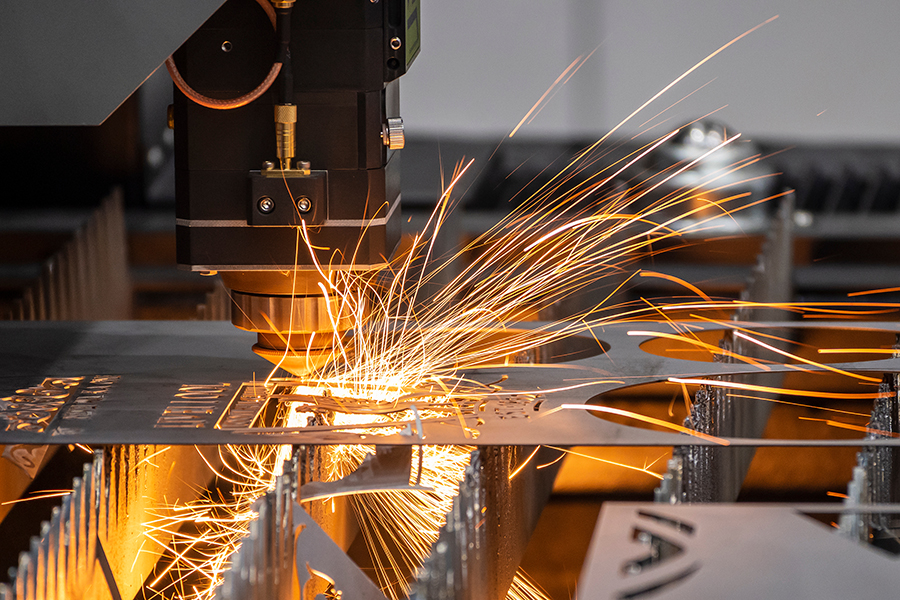
As the world transitions toward sustainable energy and reduced carbon emissions, the metals industry faces increasing pressure to adopt eco friendly metal production methods. These approaches are essential for supporting clean energy goals, minimizing environmental impact, and meeting regulatory standards. Innovations in extraction, processing, and recycling are transforming how metals are produced, making it possible to supply the materials needed for solar panels, wind turbines, and electric vehicles with a smaller ecological footprint.
Understanding the latest sustainable practices is crucial for manufacturers, engineers, and anyone invested in the future of clean energy. This article explores the most effective strategies for reducing emissions, conserving resources, and integrating advanced technologies in metal production. For those interested in broader sustainability trends, future of sustainable metal manufacturing offers valuable insights into upcoming innovations and industry shifts.
Why Sustainable Metal Manufacturing Matters
Traditional metal production is energy-intensive and often relies on fossil fuels, leading to significant greenhouse gas emissions. As demand for metals like aluminum, steel, and copper grows—especially for renewable energy infrastructure—adopting environmentally responsible metal processing becomes even more critical. Cleaner methods not only reduce pollution but also conserve water, lower waste, and support circular economy principles.
Companies that prioritize sustainability benefit from improved brand reputation, compliance with environmental regulations, and long-term cost savings. For a closer look at how leading organizations are making a difference, see these industrial sustainability case studies metals that highlight successful initiatives across the sector.
Key Eco Friendly Metal Production Methods
Several innovative techniques are reshaping the way metals are produced and processed. Below are some of the most impactful approaches that help reduce the environmental footprint of metal manufacturing:
1. Renewable Energy Integration in Metal Plants
Switching from coal or natural gas to renewable energy sources—such as solar, wind, or hydropower—dramatically cuts emissions from smelting and refining. Many modern facilities are investing in on-site solar arrays or purchasing green electricity to power their operations. This shift not only lowers carbon output but also stabilizes energy costs in the long run.
2. Low-Carbon Smelting Technologies
Emerging smelting processes, including hydrogen-based reduction and electrolysis, are replacing traditional blast furnaces. For example, direct reduction of iron ore using hydrogen instead of coke produces water vapor instead of carbon dioxide. Aluminum producers are also adopting inert anode technology, which eliminates perfluorocarbon emissions during electrolysis.
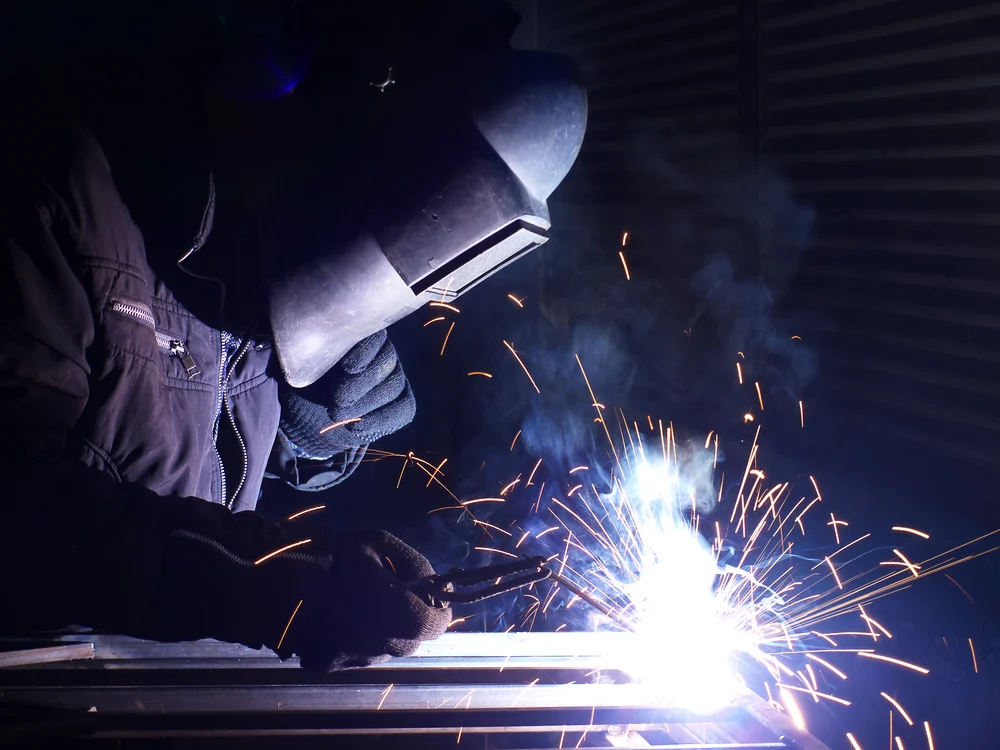
3. Advanced Recycling and Circular Economy Practices
Recycling scrap metal uses far less energy than producing new metal from ore. Closed-loop systems, where manufacturing waste and end-of-life products are collected and reprocessed, are becoming standard in many industries. For example, recycled aluminum requires only about 5% of the energy needed for primary production. Implementing best practices for metal waste reduction further enhances efficiency and sustainability.
For additional strategies on minimizing waste, explore this guide on how to reduce waste in industrial scrap metal processing, which covers sorting, separation, and reuse techniques.
4. Water and Resource Conservation
Modern metal plants are adopting closed-loop water systems and advanced filtration to minimize water consumption and prevent contamination. Efficient resource management extends to raw materials, with many facilities optimizing ore use and reducing the need for virgin inputs through improved process control and digital monitoring.
5. Adoption of Advanced Materials Recovery Systems
Technologies that recover valuable metals from slag, dust, and other by-products are gaining traction. These advanced materials recovery systems not only reduce landfill waste but also reclaim critical elements needed for batteries and electronics, supporting a more circular and resilient supply chain.
Challenges and Opportunities in Sustainable Metal Processing
While the adoption of eco friendly metal production methods is accelerating, several challenges remain. Upfront investment in new technologies can be significant, and retrofitting older facilities may require substantial upgrades. Additionally, ensuring a consistent supply of renewable energy and recycled materials can be complex, especially in regions with limited infrastructure.
Despite these hurdles, the opportunities are vast. Companies that lead in sustainability often gain access to new markets, attract environmentally conscious customers, and benefit from government incentives. Collaboration across the supply chain, from mining to manufacturing to end-of-life recycling, is essential for maximizing impact.
For a deeper understanding of how companies are meeting these challenges, the environmental responsibility in steel companies guide provides practical steps and policy recommendations.
Benefits of Green Metal Manufacturing for Clean Energy
Implementing sustainable practices in metal production directly supports the expansion of renewable energy technologies. Key benefits include:
- Lower Carbon Emissions: Cleaner processes reduce the overall carbon footprint of wind, solar, and battery storage projects.
- Resource Efficiency: Recycling and advanced recovery minimize the need for new mining, preserving natural habitats and reducing land use.
- Cost Savings: Energy-efficient operations and waste reduction lower long-term production costs.
- Regulatory Compliance: Meeting or exceeding environmental standards helps avoid fines and supports access to green financing.
- Enhanced Reputation: Demonstrating commitment to sustainability attracts investors, partners, and customers focused on environmental stewardship.
FAQ: Eco-Conscious Metal Production
What are the main environmental impacts of traditional metal manufacturing?
Conventional methods often produce high levels of greenhouse gases, consume large amounts of water and energy, and generate significant waste. These impacts can contribute to air and water pollution, habitat destruction, and resource depletion.
How does recycling metal help the environment?
Recycling metals uses much less energy than extracting and refining raw ore. It also reduces landfill waste, conserves natural resources, and lowers emissions associated with mining and processing.
What role do advanced technologies play in sustainable metal production?
Innovative technologies such as hydrogen reduction, electrolysis with inert anodes, and automated material recovery systems enable cleaner, more efficient processes. These advancements help reduce emissions, improve resource use, and support circular economy goals.
How can manufacturers start implementing greener practices?
Manufacturers can begin by conducting energy audits, investing in renewable power, upgrading equipment, and adopting recycling programs. Collaborating with suppliers and customers to close material loops and sharing best practices also accelerates progress.
Conclusion
The shift toward eco friendly metal production methods is essential for powering the clean energy transition. By embracing renewable energy, advanced recycling, and innovative processing technologies, the metals industry can significantly reduce its environmental impact while supporting the growth of sustainable infrastructure. As new solutions emerge and best practices evolve, ongoing collaboration and investment will be key to building a greener, more resilient future for metal manufacturing worldwide.