
The shift toward eco friendly metal fabrication is transforming the manufacturing landscape. As industries face increasing pressure to reduce their environmental impact, real-world examples and case studies are crucial for understanding what works in practice. This article explores several successful approaches, highlighting how companies are integrating sustainability into their metalworking processes. Along the way, we’ll examine specific strategies, measurable outcomes, and the lessons learned from these initiatives.
For those interested in optimizing their own operations, related topics such as how to optimize scrap chute angles can further enhance efficiency and sustainability in metal fabrication.
Why Sustainable Metalworking Matters
Traditional metal fabrication is resource-intensive, often involving high energy consumption, significant waste, and emissions. By adopting eco friendly metal fabrication practices, manufacturers can reduce their carbon footprint, conserve resources, and improve their reputation among environmentally conscious clients.
Sustainability in metalworking is not just about compliance or public relations. It delivers tangible benefits, such as cost savings from reduced material waste, lower energy bills, and improved worker safety. These advantages are driving more companies to explore greener approaches and share their results through detailed case studies.
Innovative Approaches in Green Metal Fabrication
Several strategies are commonly featured in eco friendly metal fabrication case studies. These include:
- Switching to renewable energy sources for plant operations
- Implementing closed-loop water and coolant systems
- Utilizing recycled metals and minimizing scrap
- Investing in energy-efficient machinery
- Adopting lean manufacturing principles to reduce waste
Let’s look at how these strategies are applied in real-world settings.
Case Study: Reducing Scrap and Maximizing Material Use
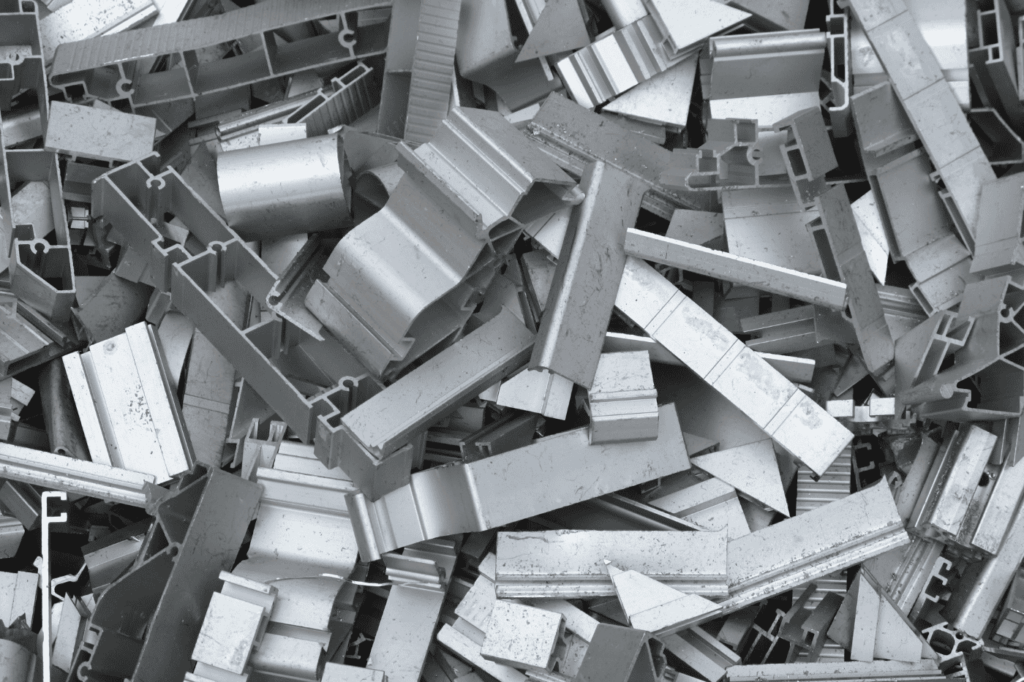
A mid-sized fabrication shop in the Midwest set out to minimize its environmental impact by focusing on material efficiency. By analyzing their production lines, the team identified areas where offcuts and scrap were highest. They implemented a new nesting software to optimize cutting patterns, reducing waste by over 20% within the first year.
Additionally, the company established a partnership with a local recycler to ensure that all metal scraps were reprocessed rather than sent to landfill. This closed-loop approach not only reduced disposal costs but also provided a reliable source of recycled feedstock for future projects.
For more insights into material efficiency, consider exploring steel stamping material yield strength considerations, which can further inform sustainable practices in fabrication.
Energy Efficiency in Metal Fabrication Facilities
Energy consumption is a major concern in metalworking. One manufacturer featured in several eco friendly metal fabrication case studies invested in solar panels and upgraded their lighting to LEDs throughout their facility. These changes reduced their annual electricity usage by 30%, resulting in significant cost savings and a smaller carbon footprint.
The company also installed variable frequency drives (VFDs) on their motors, allowing them to adjust power usage based on demand. This not only improved energy efficiency but also extended the lifespan of their equipment.
Water Conservation and Closed-Loop Systems
Water is essential for cooling and cleaning in many metal fabrication processes. In one example, a large fabrication plant implemented a closed-loop water system for its cutting and finishing operations. By filtering and reusing water, the facility cut its consumption by 70%, saving thousands of gallons each month and reducing wastewater discharge.
This approach not only conserved resources but also helped the company comply with stricter local regulations on water usage and discharge. The investment in filtration and monitoring equipment paid off within two years, demonstrating the financial viability of sustainable upgrades.
Recycled Metals and Responsible Sourcing
Using recycled metals is a core principle in many eco friendly metal fabrication case studies. One notable example comes from a custom fabrication business that shifted to sourcing 80% of its raw materials from certified recycled suppliers. This move reduced the company’s reliance on virgin materials and lowered its overall environmental impact.
The business also worked with its supply chain partners to ensure traceability and transparency, building trust with clients who prioritize sustainability. Responsible sourcing is increasingly important for companies seeking to differentiate themselves in a competitive market.
Employee Engagement and Green Culture
Sustainability initiatives are most successful when employees are actively involved. Several case studies highlight the importance of training staff on waste reduction, energy-saving practices, and safe handling of materials. One fabrication shop created a “green team” to identify new opportunities for improvement and track progress toward environmental goals.
Regular feedback sessions and recognition programs helped maintain momentum, resulting in a workplace culture where sustainability is valued and rewarded.
Lessons Learned from Real-World Examples
A review of these case studies reveals several key takeaways:
- Start with data: Measuring current resource use and waste is essential for setting realistic goals.
- Invest in technology: Upgrades like nesting software, VFDs, and water filtration systems pay off over time.
- Engage the workforce: Employee buy-in is critical for lasting change.
- Build partnerships: Collaborating with recyclers, suppliers, and customers enhances sustainability efforts.
- Monitor and adapt: Regularly reviewing progress ensures that improvements are maintained and expanded.
For a broader perspective on sustainable practices in the industry, the article A Greener Approach to Crafting Metal offers additional insights and strategies.
Challenges and Opportunities in Sustainable Metalworking
While the benefits of eco friendly metal fabrication are clear, companies often face challenges such as upfront investment costs, limited access to recycled materials, and the need for specialized training. However, as technology advances and demand for sustainable products grows, these barriers are gradually being overcome.
Government incentives, industry certifications, and growing customer awareness are also driving adoption. Organizations that embrace sustainability now are likely to gain a competitive edge as regulations tighten and market expectations evolve.
Frequently Asked Questions
What are the main benefits of adopting sustainable metal fabrication practices?
Key benefits include reduced environmental impact, lower operational costs, improved compliance with regulations, and enhanced brand reputation. Sustainable practices can also lead to safer workplaces and increased employee satisfaction.
How can small fabrication shops implement green initiatives?
Small shops can start by measuring their energy and material use, optimizing cutting patterns to reduce scrap, switching to LED lighting, and recycling metal waste. Partnering with local recyclers and investing in energy-efficient equipment are also effective steps.
Is it more expensive to use recycled metals in fabrication?
While recycled metals can sometimes carry a premium, the overall cost is often offset by savings from reduced waste disposal and potential tax incentives. Additionally, using recycled materials can improve a company’s marketability and help meet client sustainability requirements.