
Understanding the difference between post-consumer and post-industrial metal is essential for manufacturers, recyclers, and anyone interested in sustainable materials. These two categories of recycled metals play distinct roles in the supply chain, each with unique origins, processing methods, and environmental impacts. Whether you’re sourcing materials for production or aiming to improve your company’s sustainability profile, knowing how these metals differ can help you make informed decisions.
This article explores the definitions, sources, processing, and applications of both post-consumer and post-industrial metals. We’ll also look at their significance in the recycling industry and how they contribute to a circular economy. For those involved in metalworking, topics like best practices for stamping coated steels are closely related, as the type of recycled metal used can affect manufacturing processes and product quality.
Defining Post-Consumer and Post-Industrial Metals
To appreciate the difference between post-consumer and post-industrial metal, it’s important to start with clear definitions:
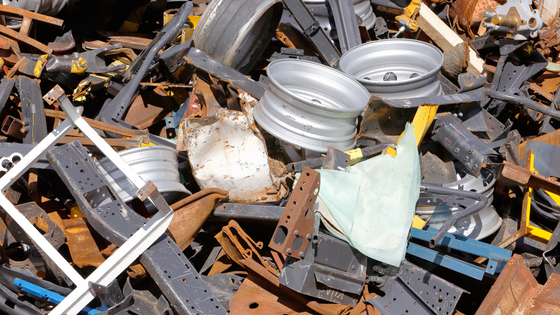
- Post-consumer metal refers to material that has been used by consumers and then collected for recycling after the end of its life cycle. Examples include aluminum cans, old appliances, and decommissioned vehicles.
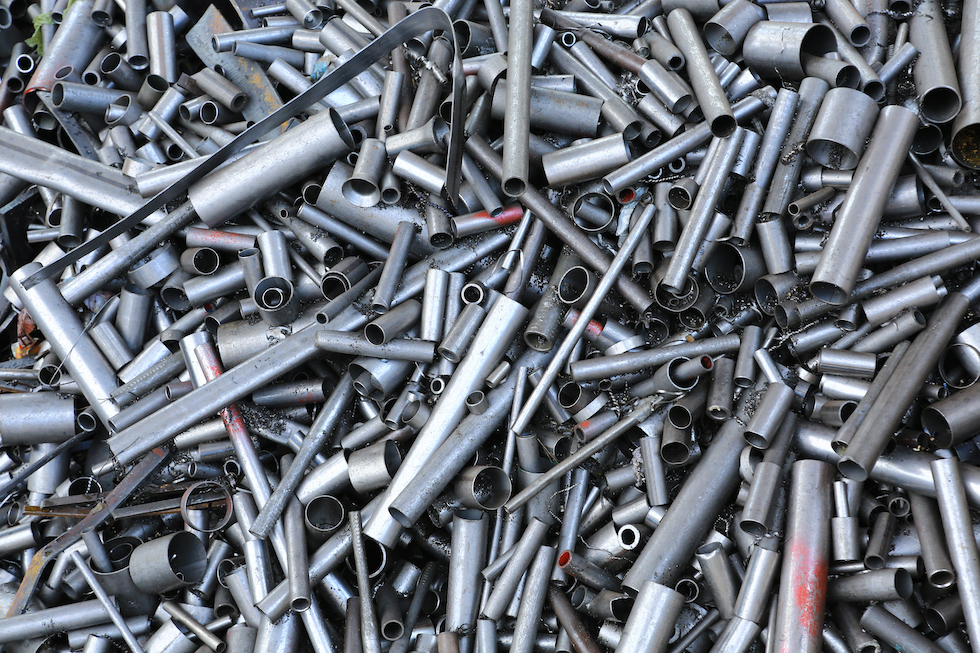
- Post-industrial metal (sometimes called pre-consumer) is scrap generated during manufacturing processes, before products reach the consumer. This includes trimmings, offcuts, and defective items from factories.
Both types of recycled metal are valuable, but their origins and characteristics can influence how they’re processed and reused.
Sources and Collection Processes
The sources of these two categories are distinct, which affects their quality and consistency.
Where Post-Consumer Metal Comes From
Post-consumer scrap is collected from households, businesses, and public recycling programs. Common collection points include curbside recycling bins, scrapyards, and municipal waste facilities. Because these metals have already been used, they often contain paint, coatings, or other contaminants that must be removed during recycling.
How Post-Industrial Scrap Is Generated
Post-industrial metal is produced as a byproduct of manufacturing. For instance, when a factory stamps out parts from large metal sheets, the leftover edges and cutouts become scrap. This material is usually collected directly at the production site and is often cleaner and more uniform than post-consumer scrap, since it hasn’t been exposed to end-use environments.
Processing and Quality Considerations
The journey from scrap to usable metal involves several steps, and the type of recycled material influences the process.
Recycling Post-Consumer Metals
Because post-consumer metals have been used and discarded, they often require more intensive cleaning and sorting. Contaminants such as labels, food residue, or mixed materials must be removed. After sorting, the metal is shredded, melted, and refined to remove impurities.
The quality of recycled post-consumer metal can vary, but modern recycling technology has improved the ability to produce high-grade material suitable for demanding applications. For example, recycled aluminum from beverage cans can be turned back into new cans with minimal loss of quality.
Processing Post-Industrial Scrap
Post-industrial scrap typically enters the recycling stream in a cleaner state. Since it comes directly from manufacturing, it’s less likely to be contaminated by paints, oils, or other materials. This makes it easier and more cost-effective to recycle, often requiring fewer processing steps.
Applications and Industry Impact
Both types of recycled metal are vital to the manufacturing and construction industries, but their uses can differ based on quality and consistency.
Uses for Post-Consumer Recycled Metal
Post-consumer metals are commonly used in products where recycled content is a selling point, such as packaging, automotive parts, and building materials. Their use supports sustainability goals and helps companies meet regulatory requirements for recycled content.
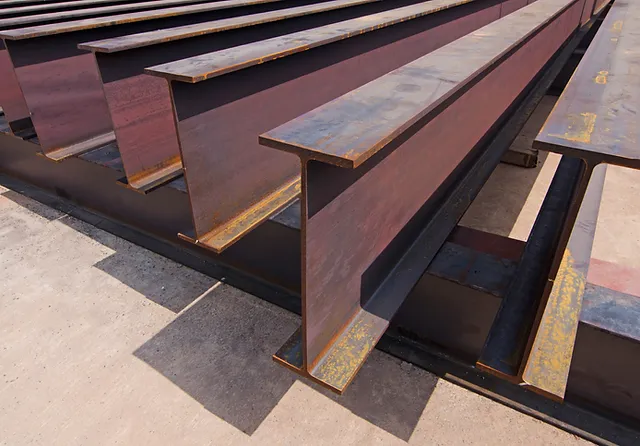
In some cases, post-consumer metals are blended with virgin material to achieve the desired properties. For example, steel mills may combine post-consumer scrap with new steel to produce construction beams or rebar.
Post-Industrial Metal in Manufacturing
Manufacturers often prefer post-industrial scrap for applications requiring high purity and consistency. This material is ideal for producing new metal sheets, wires, and components where uniformity is critical. Its predictable composition makes it easier to integrate into automated production lines.
Environmental and Economic Considerations
Recycling both post-consumer and post-industrial metals conserves natural resources, reduces energy use, and lowers greenhouse gas emissions. However, there are some differences in their environmental and economic impacts.
- Post-consumer recycling diverts waste from landfills and supports a circular economy, but can be more expensive due to the need for sorting and cleaning.
- Post-industrial recycling is generally more cost-effective and efficient, but doesn’t address consumer waste streams.
For a deeper look at how different types of recycled scrap metal are utilized, see this overview of recycled scrap metal applications.
Choosing the Right Recycled Metal for Your Needs
The decision to use post-consumer or post-industrial recycled metal depends on several factors:
- Quality requirements: If your application demands high purity and consistency, post-industrial scrap may be preferable.
- Sustainability goals: Using post-consumer content can help meet environmental targets and appeal to eco-conscious customers.
- Cost considerations: Post-industrial metals are often less expensive to process, but post-consumer recycling supports broader sustainability efforts.
- Regulatory compliance: Some industries require a certain percentage of recycled content, which may include both types.
Manufacturers in fields like steel stamping edge quality optimization and how to train operators for steel stamping safety must carefully consider these factors when selecting materials.
Frequently Asked Questions
What is the main distinction between post-consumer and post-industrial metal?
The primary difference lies in their origin: post-consumer metal comes from products that have been used and discarded by consumers, while post-industrial metal is scrap generated during manufacturing before reaching the end user.
Why is post-consumer recycled metal important for sustainability?
Post-consumer recycling reduces landfill waste and supports a circular economy by reintroducing used materials into the production cycle, helping to conserve resources and lower environmental impact.
Can post-consumer and post-industrial metals be used together?
Yes, many manufacturers blend both types to achieve desired material properties, balance cost, and meet recycled content requirements.
Which type of recycled metal is cleaner?
Post-industrial scrap is typically cleaner and more uniform because it comes directly from controlled manufacturing environments, whereas post-consumer metal often requires more processing to remove contaminants.
Conclusion
Recognizing the difference between post-consumer and post-industrial metal helps businesses make informed choices about sourcing, production, and sustainability. Both types play crucial roles in the recycling ecosystem, supporting resource conservation and reducing environmental impact. By selecting the right type of recycled metal for your needs, you can contribute to a more sustainable future while maintaining product quality and cost efficiency.