
As sustainability becomes a central concern in manufacturing, design for recyclability metal has emerged as a crucial strategy for reducing environmental impact and supporting the circular economy. By considering the entire lifecycle of metal products—from material selection to end-of-life processing—manufacturers can create items that are easier to recycle, less resource-intensive, and more valuable in secondary markets.
This article explores practical approaches for optimizing metal product design with recyclability in mind. We’ll cover material choices, joining methods, coatings, and labeling, as well as highlight industry standards and real-world examples. For those interested in further sustainable manufacturing practices, see our guide on eco friendly anodizing for metal fabrication.
Principles of Recyclable Metal Product Design
The foundation of any effective design for recyclability metal strategy is to anticipate how a product will be handled at the end of its useful life. This means selecting materials and processes that facilitate easy disassembly, separation, and reprocessing. The following principles are widely recognized as best practices:
- Material Purity: Use single-metal alloys or compatible metals to simplify recycling streams.
- Ease of Disassembly: Design joints and fasteners for quick separation without specialized tools.
- Minimal Coatings and Contaminants: Limit the use of paints, adhesives, or surface treatments that hinder recycling.
- Clear Labeling: Mark materials and components to aid in sorting and identification.
- Standardization: Use industry-standard alloys and forms to maximize recyclability and market value.
Material Selection and Alloy Compatibility
Choosing the right metals is a cornerstone of sustainable product development. Metals such as aluminum, steel, and copper are highly recyclable, but the presence of mixed alloys or incompatible metals can complicate the process. Whenever possible, opt for a single alloy or ensure that all materials used are easily separable.
For example, using stainless steel fasteners on an aluminum frame can create challenges during shredding and sorting. Instead, consider using aluminum fasteners or designing joints that allow for easy removal before recycling.
Joining Methods and Disassembly for Metal Recycling
The way components are joined has a significant impact on recyclability. Permanent methods such as welding or strong adhesives can make separation costly or impractical. Instead, prioritize mechanical fasteners—bolts, screws, or snap fits—that allow for straightforward disassembly.
- Bolted or Riveted Joints: These can be undone with basic tools, enabling efficient separation of parts.
- Modular Design: Design products in modules that can be individually replaced or recycled.
- Minimize Mixed-Material Joints: Avoid joining dissimilar metals unless they can be separated easily.
For more on sustainable practices on the shop floor, manufacturers may benefit from reviewing sustainable shop floor practices to support environmental goals throughout production.
Surface Treatments and Coatings: Balancing Protection and Sustainability
Surface treatments are often necessary to protect metals from corrosion or wear, but some coatings can interfere with recycling. For instance, certain paints, plastic coatings, or non-removable adhesives can contaminate scrap metal streams.
To address this, opt for water based metal coatings or other environmentally friendly finishes that are easy to remove or do not impede the recycling process. Anodizing, when performed with green chemistry, is another option that can enhance durability without compromising recyclability.
Labeling, Traceability, and Standards in Metal Recycling
Clear labeling of materials is essential for efficient recycling. By marking alloys, coatings, and other relevant information directly on components, manufacturers make it easier for recyclers to sort and process materials correctly. This not only improves recovery rates but also enhances the value of recycled metals.
International standards, such as those developed by ISO and ASTM, provide guidelines for labeling and traceability. Adhering to these standards ensures that products are compatible with global recycling systems and meet regulatory requirements.
Lifecycle Assessment and Environmental Impact
Evaluating the full environmental impact of a metal product—from raw material extraction to end-of-life recycling—helps identify opportunities for improvement. Lifecycle assessment (LCA) tools can quantify energy use, emissions, and resource consumption, guiding design decisions that reduce overall impact.
According to a recent study on design for recyclability in metal products, integrating LCA early in the design process leads to more sustainable outcomes and supports compliance with evolving regulations.
Case Studies: Successful Approaches in Metal Product Design
Many industries have adopted recyclable design strategies with measurable benefits. For example, automotive manufacturers increasingly use modular assemblies and standardized alloys to streamline recycling. Electronics producers are phasing out hazardous coatings and labeling components for easier sorting.
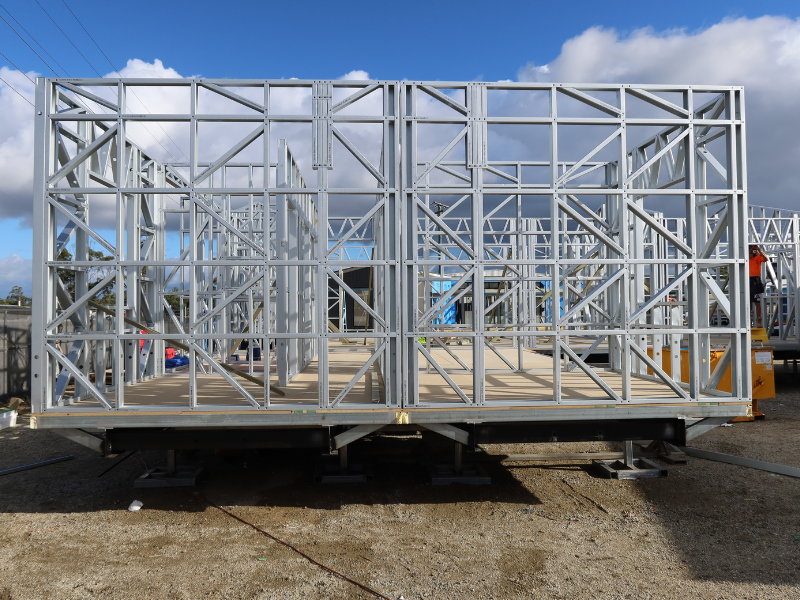
In construction, steel framing systems designed for bolt-together assembly can be quickly dismantled and recycled at the end of a building’s life. These practices not only reduce waste but also lower costs and create new business opportunities in secondary materials markets.
Integrating Recyclability into Manufacturing Operations
To fully realize the benefits of recyclable design, manufacturers must integrate these principles into every stage of product development and production. This includes training design teams, collaborating with recyclers, and continuously reviewing processes for improvement.
Facilities can further reduce their environmental footprint by adopting green metal finishing processes and implementing water-saving measures, as discussed in our article on reducing water use in fabrication.
Frequently Asked Questions
What metals are easiest to recycle in product design?
Common metals such as aluminum, steel, and copper are among the easiest to recycle due to well-established collection and processing systems. Using pure or standardized alloys further simplifies recycling and increases material value.
How can I ensure coatings do not hinder recyclability?
Choose coatings that are either easily removed or do not interfere with metal recovery. Water-based and environmentally friendly finishes are preferable. Always consult recyclers to confirm compatibility with their processes.
Why is labeling important for recyclable metal products?
Labeling helps recyclers quickly identify material types and any special treatments, enabling efficient sorting and processing. This improves recycling rates and ensures compliance with industry standards.
Can mixed-metal products be recycled efficiently?
Mixed-metal products can be recycled, but efficiency depends on how easily the metals can be separated. Designing for disassembly and minimizing the use of incompatible metals are key to maximizing recyclability.
Conclusion
Adopting best practices for recyclable metal product design is essential for manufacturers aiming to reduce waste, lower costs, and support a sustainable future. By focusing on material selection, joining methods, coatings, and clear labeling, companies can create products that are both high-performing and environmentally responsible. As regulations and consumer expectations evolve, integrating these strategies will become increasingly important for long-term success in the metal manufacturing sector.