
As industries strive to reduce their environmental impact, the challenges of sustainable metal fabrication have become a central concern for manufacturers, engineers, and business leaders. Meeting sustainability goals in metalworking involves more than just recycling scrap or switching to energy-efficient machines. It requires a holistic approach that addresses resource consumption, emissions, waste management, and supply chain transparency. This article explores the main obstacles faced by the sector and highlights practical strategies and innovations that are shaping a more responsible future for metal fabrication.
For businesses interested in the financial side of going green, understanding the eco friendly fabrication cost benefits can help justify investments in sustainable practices.
Key Environmental and Economic Barriers in Metalworking
The path to greener metal fabrication is full of complex hurdles. Some of the most significant issues include high energy consumption, waste generation, and the reliance on non-renewable resources. Traditional fabrication methods, such as casting, welding, and machining, often require large amounts of electricity and water, contributing to a substantial carbon footprint.
Another major challenge is the management of hazardous byproducts. Cutting fluids, solvents, and metal dust can pose risks to both workers and the environment if not handled properly. Additionally, the cost of implementing sustainable technologies can be prohibitive for small and medium-sized enterprises, making it difficult for them to compete with larger players who can more easily absorb these expenses.
Resource Efficiency and Waste Reduction Strategies
Tackling the challenges of sustainable metal fabrication starts with improving resource efficiency. Manufacturers are increasingly adopting lean manufacturing principles to minimize material waste and optimize production processes. This includes better inventory management, precise cutting techniques, and the use of advanced software for design and simulation.
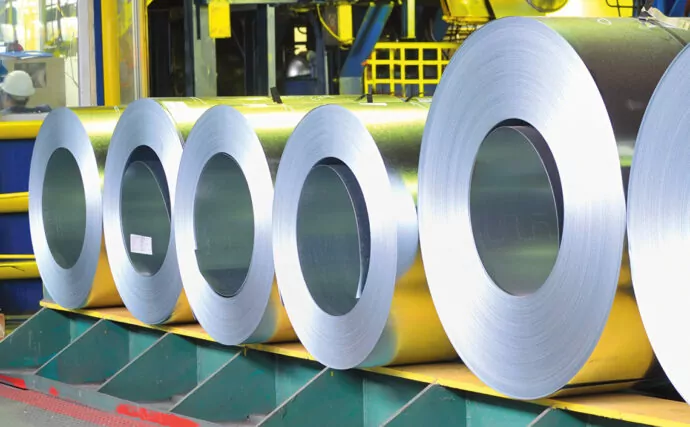
Recycling and reusing scrap metal is another crucial step. Many facilities now implement closed-loop systems that capture and repurpose metal offcuts and shavings, reducing the need for virgin materials. Water recycling systems and the use of biodegradable lubricants also help lower environmental impact.
For a broader look at how the industry is evolving, see the latest metal fabrication environmental trends that are shaping the future of manufacturing.
Energy Consumption and Emissions: Reducing the Carbon Footprint
One of the most pressing obstacles is the sector’s reliance on fossil fuels and the resulting greenhouse gas emissions. Transitioning to renewable energy sources, such as solar or wind, can significantly lower the carbon footprint of fabrication plants. Upgrading to energy-efficient machinery and implementing smart factory technologies further enhances sustainability.
Process innovations, such as induction heating and laser cutting, not only improve precision but also reduce energy use. Monitoring systems that track energy consumption in real time allow operators to identify inefficiencies and make data-driven improvements.
Supply Chain and Material Sourcing Challenges
Sustainable metal fabrication is not just about what happens on the shop floor. The environmental impact of raw material extraction, transportation, and supplier practices also plays a significant role. Sourcing recycled metals and working with suppliers who prioritize ethical and eco-friendly practices can make a big difference.
Local sourcing is another effective strategy. By choosing suppliers closer to the production site, companies can reduce transportation emissions and support regional economies. More on this can be found in the discussion of local sourcing metal fabrication and its environmental benefits.
Innovative Technologies Driving Greener Fabrication
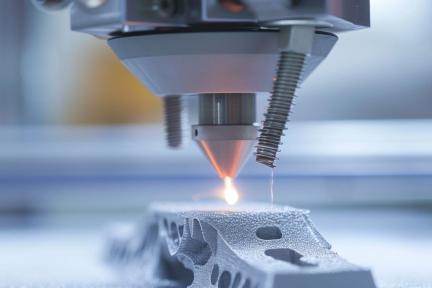
The adoption of advanced manufacturing technologies is helping to overcome many of the challenges of sustainable metal fabrication. Additive manufacturing (3D printing), for example, enables the creation of complex parts with minimal waste. Automation and robotics improve consistency and reduce errors, further cutting down on scrap.
Digital twins and simulation tools allow manufacturers to test and optimize processes virtually before committing resources, leading to more efficient production runs. For a deeper dive into how technology is transforming the field, explore the topic of green innovation in metal fabrication.
Regulatory Compliance and Industry Standards
Navigating the complex landscape of environmental regulations is another significant barrier. Compliance with local and international standards often requires regular audits, documentation, and reporting. While these measures are essential for accountability, they can add administrative burdens, especially for smaller firms.
However, adhering to recognized standards can also open doors to new markets and customers who prioritize sustainability. Certifications such as ISO 14001 for environmental management systems are increasingly seen as a mark of credibility in the industry.
Collaboration and Continuous Improvement
Addressing the challenges of sustainable metal fabrication is rarely a solo effort. Collaboration across the supply chain, from raw material suppliers to end customers, is essential for meaningful progress. Industry partnerships, knowledge sharing, and participation in sustainability initiatives can accelerate the adoption of best practices.
Continuous improvement is key. Regularly reviewing processes, investing in employee training, and staying informed about new technologies and regulations help companies stay ahead of the curve.
Case Studies and Research Insights
Recent research provides valuable insights into the effectiveness of various sustainability strategies in metalworking. For example, a study published in ScienceDirect examines the environmental performance of different fabrication techniques and highlights the importance of process optimization and material selection. For more details, see the research on sustainable metal fabrication methods.
FAQ: Sustainable Metal Fabrication
What are the main environmental impacts of metal fabrication?
The primary environmental impacts include high energy use, greenhouse gas emissions, water consumption, and the generation of hazardous waste. Sourcing raw materials and transportation also contribute to the overall footprint.
How can manufacturers reduce waste in metal fabrication?
Waste reduction can be achieved through lean manufacturing, recycling scrap metal, using advanced cutting and forming technologies, and implementing closed-loop water and material systems.
What role does technology play in sustainable metalworking?
Technologies such as additive manufacturing, automation, and digital simulation help minimize resource use, reduce errors, and enable more efficient production. These innovations are central to overcoming many sustainability challenges in the industry.
Are there financial benefits to adopting sustainable practices?
Yes, while initial investments can be significant, long-term savings from reduced energy use, waste disposal costs, and improved process efficiency often outweigh the upfront costs. Companies may also gain a competitive edge and access new markets.
Conclusion
Overcoming the challenges of sustainable metal fabrication requires a combination of technology, process improvement, and collaboration. By focusing on resource efficiency, cleaner energy, responsible sourcing, and continuous innovation, the metalworking industry can move toward a more sustainable future—benefiting both the environment and the bottom line.