
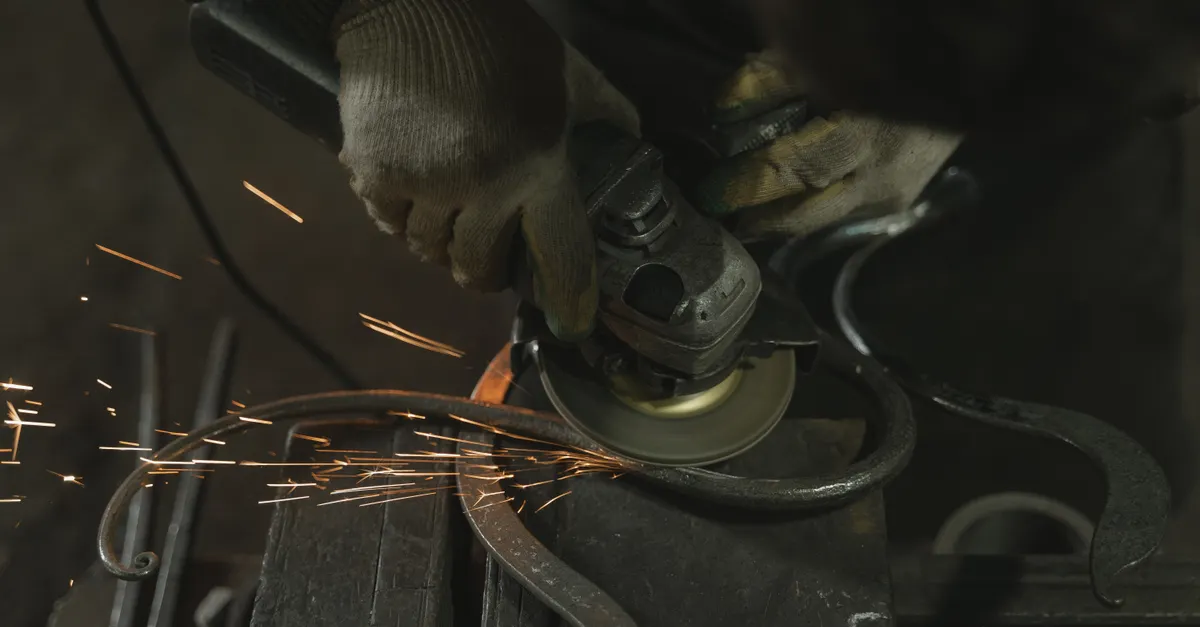
Lightweight metal fabrication is a cornerstone of modern manufacturing, enabling industries to produce strong yet minimal-weight components for everything from automotive frames to aerospace structures. As demand for efficiency and sustainability grows, mastering the most effective strategies for working with lightweight metals becomes increasingly important. This guide explores essential techniques, material choices, design optimization methods, and safety considerations to help professionals and decision-makers achieve reliable, high-quality results in lightweight metal projects.
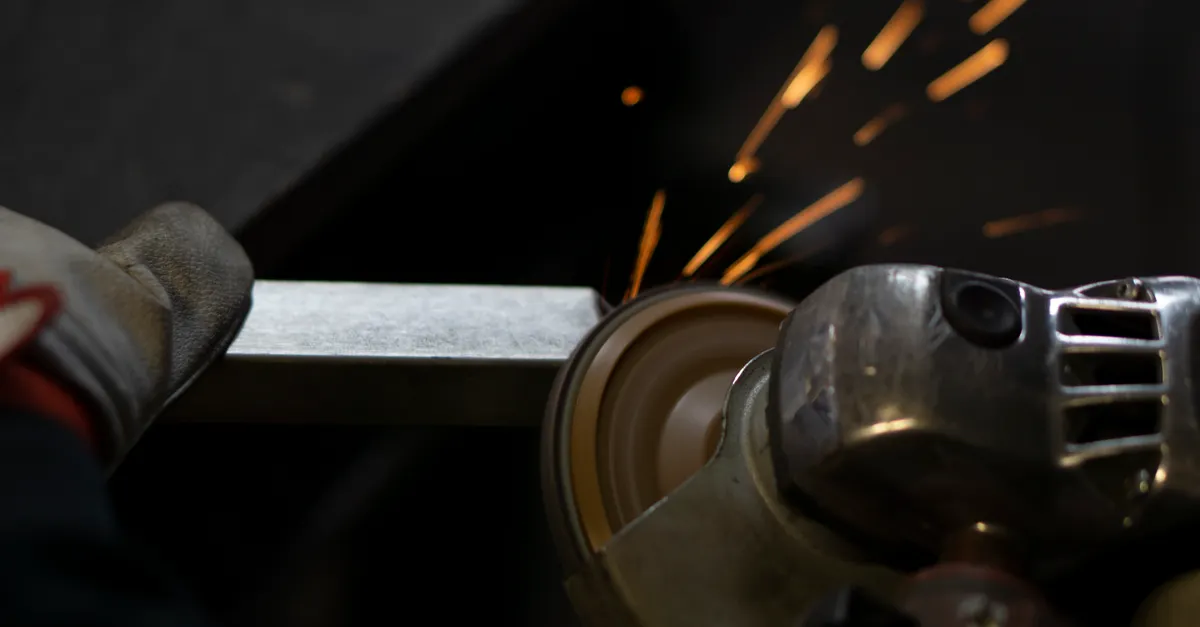
Understanding Lightweight Metal Fabrication
At its core, lightweight metal fabrication refers to the process of shaping, joining, and finishing metals such as aluminum, magnesium, and titanium to create components that are both durable and as light as possible. These processes are widely used in industries where reducing weight can lead to improved performance, fuel efficiency, or easier handling, such as in transportation, electronics, and renewable energy sectors.
The importance of lightweight fabrication has grown as manufacturers seek ways to cut costs, reduce emissions, and meet strict regulatory standards. By adopting best practices for lightweight metal fabrication, companies can deliver products that meet demanding specifications while remaining competitive in a rapidly evolving market.
Key Techniques for Lightweight Metal Fabrication
Several advanced methods have emerged as leading choices for fabricating lightweight metals, each offering distinct advantages depending on the application and material involved. The following techniques are especially relevant:
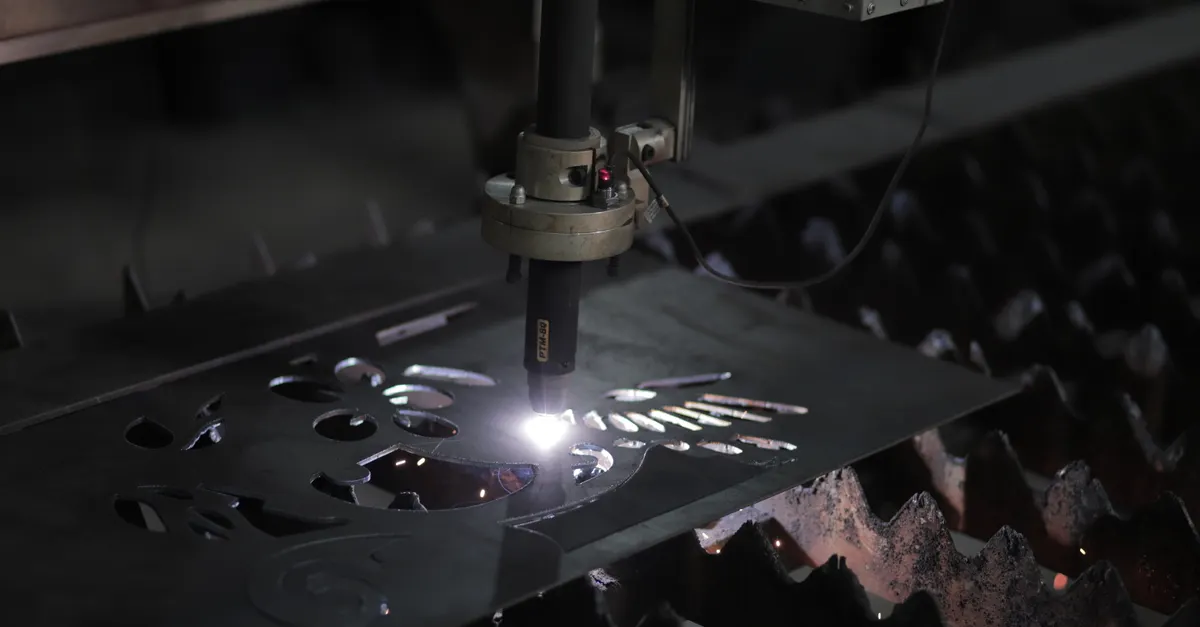
- Sheet Metal Fabrication: This approach involves cutting, bending, and forming thin metal sheets into desired shapes. According to a guide from Hubs, precision in cutting and forming is crucial for efficient design and minimizing material waste. Laser cutting, waterjet cutting, and press brake forming are common tools in this category.
- CNC Machining: Computer Numerical Control (CNC) machining allows for highly accurate cutting and shaping of lightweight metals. It is particularly useful for producing complex geometries and tight tolerances, making it a mainstay in industries where precision is non-negotiable.
- 3D Printing (Additive Manufacturing): Additive manufacturing enables the creation of intricate, lightweight structures that would be difficult or impossible to fabricate using traditional methods. This technique is ideal for prototyping and low-volume production, especially when weight reduction is a primary goal.
- Friction Stir Welding: This solid-state joining process is well-suited for lightweight metals like aluminum, providing strong, defect-free joints without the need for filler materials.
Each of these methods can be further optimized by integrating digital design tools and automation, ensuring consistent quality and reducing human error. For those interested in minimizing scrap and improving efficiency, exploring cutting waste in metal fabrication can provide additional insights into streamlining shop practices.
Design Optimization for Lightweight Structures
Effective design is at the heart of successful lightweight fabrication. By focusing on design optimization, engineers can achieve significant weight savings without compromising structural integrity or performance. Several strategies stand out:
- Topology Optimization: This advanced computational technique analyzes the load paths within a component and removes unnecessary material, resulting in organic, lattice-like structures that are both strong and light. Topology optimization is especially valuable when paired with 3D printing software, as it allows for the creation of shapes that traditional machining cannot produce.
- Design for Manufacturing (DFM): DFM principles encourage designers to consider the limitations and strengths of fabrication methods from the outset. By aligning designs with the capabilities of CNC machining or sheet metal forming, for example, it’s possible to reduce production costs and avoid unnecessary complexity.
- Minimizing Fasteners and Joints: Reducing the number of mechanical fasteners not only saves weight but also simplifies assembly. Techniques such as friction stir welding or integrated snap-fit features can replace heavier bolted or riveted joints.
Optimization should always be balanced with manufacturability and cost. Early collaboration between design and fabrication teams is essential to ensure that innovative concepts can be efficiently realized in practice.
Material Selection for Lightweight Fabrication
Choosing the right material is a foundational step in any lightweight fabrication project. The properties of the selected metal will influence not only the final weight but also the ease of fabrication, durability, and cost. Key considerations include:
- Aluminum: Widely used for its excellent strength-to-weight ratio, corrosion resistance, and workability. Aluminum alloys are common in automotive and aerospace applications.
- Magnesium: Even lighter than aluminum, magnesium is favored for applications where every gram counts. However, it requires careful handling due to its flammability and lower ductility.
- Titanium: Known for its exceptional strength and resistance to heat and corrosion, titanium is used in high-performance applications but is more challenging and expensive to fabricate.
- Advanced Alloys and Composites: Newer materials, including metal matrix composites and high-strength steel alloys, offer unique combinations of lightness and performance, though they may require specialized fabrication techniques.
The choice of material should also consider environmental impact and recyclability. For those interested in sustainable practices, exploring green supply chain metal fabrication can provide valuable guidance on sourcing and lifecycle management.
Precision and Quality Control in Lightweight Fabrication
Maintaining tight tolerances is critical in lightweight metal projects, as even small deviations can compromise structural performance or lead to assembly issues. Best practices for ensuring precision include:
- Process Monitoring: Employing sensors and real-time monitoring systems during fabrication helps detect deviations early, allowing for immediate corrections.
- Inspection Tools: Using advanced metrology equipment, such as coordinate measuring machines (CMMs) or laser scanners, ensures that finished parts meet exact specifications.
- Standardized Procedures: Implementing consistent work instructions and quality checks at every stage reduces the risk of errors and maintains repeatability across production runs.
Investing in quality control not only improves product reliability but also reduces waste and rework, contributing to overall project efficiency.
Safety Considerations in Lightweight Metal Fabrication
Working with lightweight metals presents unique safety challenges, from the handling of thin, sharp-edged sheets to the use of high-heat or high-speed equipment. Comprehensive safety measures are essential to protect workers and maintain a safe environment:
- Personal Protective Equipment (PPE): Always use appropriate PPE, including gloves, safety glasses, and protective clothing, to guard against cuts, burns, and flying debris.
- Safe Handling of Materials: Lightweight metals can have sharp edges or be prone to warping. Use metal handling gloves and proper lifting techniques to prevent injuries.
- Ventilation and Fume Extraction: Processes like welding or laser cutting can generate hazardous fumes. Ensure adequate ventilation and use fume extraction systems to maintain air quality.
- Machine Guarding and Lockout Procedures: All moving parts and cutting tools should be properly guarded, and lockout/tagout procedures must be followed during maintenance.
- Training and Supervision: Only trained personnel should operate fabrication equipment. Regular safety training and clear communication of hazards are vital for preventing accidents.
Before starting any fabrication work, conduct a thorough risk assessment and ensure that all safety protocols are in place. For more on minimizing environmental and workplace hazards, see resources on green metal fabrication practices.
Common Challenges and Solutions in Lightweight Fabrication
Despite the advantages, fabricating lightweight metals comes with its own set of challenges. Understanding these obstacles and how to address them is key to successful outcomes:
- Material Deformation: Thin metals are more prone to bending or warping during fabrication. Using proper fixturing and controlled processing speeds can help maintain shape integrity.
- Joining Dissimilar Metals: Lightweight components often need to be joined to other materials. Techniques like friction stir welding or specialized adhesives can provide strong, reliable bonds.
- Surface Finish Issues: Achieving a smooth, defect-free surface may require additional finishing steps, such as polishing or anodizing, especially for visible or functional surfaces.
- Waste Management: Lightweight fabrication can generate significant scrap if not carefully managed. Implementing lean manufacturing principles and exploring waste reduction in metal fabrication can help minimize material loss and improve sustainability.
Addressing these challenges early in the design and planning stages can prevent costly rework and ensure consistent quality throughout production.
Conclusion
Adopting best practices for lightweight metal fabrication is essential for achieving optimal results in today’s competitive manufacturing landscape. By leveraging advanced techniques, prioritizing design optimization, carefully selecting materials, and maintaining rigorous safety and quality standards, organizations can produce high-performance components that meet demanding requirements. Continuous improvement, collaboration between design and fabrication teams, and a commitment to safety will ensure ongoing success in lightweight metal projects.
Frequently Asked Questions
What are the most effective techniques for fabricating lightweight metals?
Some of the most effective methods include sheet metal fabrication, CNC machining, 3D printing, and friction stir welding. Each offers unique benefits in terms of precision, complexity, and suitability for different materials.
How does material selection impact the fabrication process?
Material choice affects everything from the ease of cutting and forming to the final weight, strength, and corrosion resistance of the product. Selecting the right metal ensures manufacturability, performance, and cost-effectiveness.
What safety measures should be prioritized during lightweight metal fabrication?
Key safety measures include using appropriate PPE, ensuring proper ventilation, following machine guarding and lockout procedures, and providing thorough training for all personnel involved in fabrication processes.