
Reducing material loss is a top priority for metal shops aiming to boost efficiency and profitability. Cutting waste in metal fabrication not only saves costs but also supports sustainability and compliance with industry standards. By adopting proven shop practices, fabricators can minimize scrap, optimize processes, and make better use of valuable resources. This article explores practical strategies, tools, and technologies to help metalworkers achieve leaner operations and higher yields.
As the metals industry evolves, businesses are increasingly focused on sustainable production and waste reduction. Shops that implement effective waste management practices gain a competitive edge, improve their environmental footprint, and often unlock new revenue streams through recycling and material recovery. For those interested in advanced solutions, exploring advanced materials recovery systems can further enhance resource efficiency and profitability.
Why Reducing Scrap Matters in Metalworking
Scrap metal is a significant cost driver in fabrication shops. Every offcut, rejected part, or leftover sheet represents lost money and wasted resources. Beyond direct material costs, excess waste can lead to higher disposal fees, increased handling, and missed opportunities for recycling. Shops that focus on minimizing waste in metal fabrication benefit from:
- Lower raw material expenses
- Improved shop floor efficiency
- Reduced environmental impact
- Enhanced reputation with eco-conscious clients
- Compliance with tightening industry regulations
Implementing best practices for waste reduction is not just about saving money—it’s about building a more sustainable and resilient business.
Key Causes of Waste in Metal Fabrication
Understanding where and why waste occurs is the first step toward improvement. Common sources of scrap and inefficiency include:
- Poor nesting and layout planning: Inefficient arrangement of parts on sheets leads to excessive offcuts.
- Incorrect measurements: Human error or outdated tools can result in parts that don’t meet specifications.
- Machine calibration issues: Misaligned or poorly maintained equipment increases the risk of rejects.
- Overproduction: Making more parts than needed creates unnecessary surplus and scrap.
- Inadequate training: Operators unfamiliar with best practices are more likely to make costly mistakes.
Addressing these root causes requires a combination of process optimization, staff development, and investment in modern technology.
Best Practices for Cutting Waste in Metal Fabrication
Adopting a systematic approach to waste reduction can transform shop performance. Here are proven strategies to help fabricators cut down on scrap and maximize material use:
Optimize Nesting and Layout
Modern nesting software arranges parts on metal sheets to minimize offcuts and maximize yield. By leveraging these tools, shops can:
- Fit more parts per sheet
- Reduce leftover material
- Lower purchasing costs for raw stock
Regularly reviewing and updating nesting parameters ensures that layouts remain efficient as part designs and order volumes change.
Invest in Precision Tools and Calibration
Accurate measurements are essential for reducing rework and scrap. High-quality calipers, micrometers, and gauges help operators cut and form parts to exact specifications. Routine calibration of cutting machines, presses, and welding equipment prevents drift and maintains consistency. For those looking to upgrade, consider tools like the Mitutoyo Digital Caliper for reliable accuracy on the shop floor.
Standardize Workflows and Training
Clear, standardized procedures reduce errors and help new staff learn best practices quickly. Documenting workflows, providing regular training, and encouraging peer review can significantly lower the risk of mistakes that lead to waste. Shops can further benefit by adopting lean manufacturing principles, such as 5S and continuous improvement, to foster a culture of efficiency.
Monitor and Analyze Scrap Data
Tracking the types and quantities of scrap generated enables shops to identify trends and target problem areas. Implementing a simple log or digital tracking system helps managers:
- Pinpoint recurring issues (e.g., specific machines or shifts)
- Set benchmarks for improvement
- Motivate staff with measurable goals
Regular analysis of scrap data supports informed decision-making and ongoing process refinement.
Embrace Material Recovery and Recycling
Rather than sending all scrap to landfill, many shops now recover and recycle metal waste. This not only reduces disposal costs but can also generate additional revenue. For a deeper dive into innovative recycling approaches, see innovations in metal recycling technology and how they are reshaping the industry.
Leveraging Technology to Reduce Material Loss
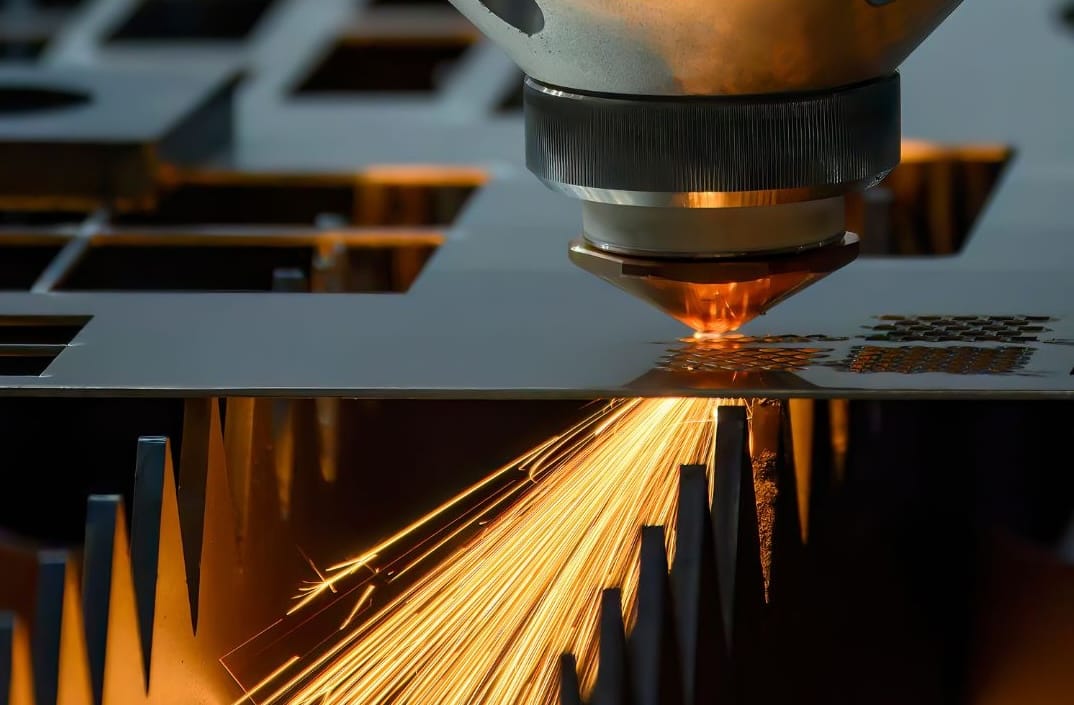
Advancements in digital manufacturing and automation are making it easier than ever to minimize waste. Computer-aided design (CAD) and computer-aided manufacturing (CAM) systems enable precise planning and simulation before any material is cut. Automated cutting machines, such as laser and plasma cutters, deliver consistent results and reduce human error.
For shops interested in the future of sustainable production, exploring the future of sustainable metal manufacturing reveals emerging trends and technologies that promise even greater efficiency and environmental benefits.
Shop Culture and Continuous Improvement
Building a culture that values efficiency and waste reduction is critical for long-term success. Encouraging staff to suggest improvements, rewarding teams for hitting waste reduction targets, and sharing success stories all contribute to a positive, proactive environment. Many leading shops also participate in industry initiatives and benchmarking programs to stay ahead of evolving standards.
Case studies from the metals sector, such as those found in industrial sustainability case studies metals, demonstrate how continuous improvement can deliver tangible results in both cost savings and environmental performance.
Compliance, Sustainability, and Industry Trends
Environmental regulations and customer expectations are pushing shops to adopt greener practices. Effective cutting waste in metal fabrication aligns with broader sustainability goals and can open doors to new markets. For example, some clients now require documentation of waste reduction efforts as part of their supplier selection process.
For a global perspective on challenges and opportunities, the article on industrial waste management in Pakistan highlights the importance of proactive strategies and the benefits of industry collaboration.
Frequently Asked Questions
What are the most effective ways to reduce scrap in a metal shop?
The most impactful methods include optimizing part nesting, using precision measurement tools, maintaining equipment calibration, and providing ongoing staff training. Tracking scrap data and implementing recycling programs also contribute to significant reductions in material loss.
How does reducing waste benefit both the environment and my business?
Minimizing waste lowers raw material and disposal costs, improves shop efficiency, and enhances your company’s reputation. Environmentally, it reduces landfill contributions and conserves natural resources, supporting broader sustainability goals.
Are there industry standards or certifications for waste reduction in metal fabrication?
Yes, several standards and certifications encourage or require waste reduction, including ISO 14001 (environmental management) and various lean manufacturing frameworks. Meeting these standards can help shops win new business and demonstrate commitment to sustainability.
Conclusion
Reducing scrap and optimizing processes are essential for any shop looking to thrive in today’s competitive market. By focusing on cutting waste in metal fabrication through smart planning, investment in technology, and a culture of continuous improvement, fabricators can achieve greater profitability and sustainability. For further insights and actionable tips, explore resources on best practices for metal waste reduction and stay updated on the latest innovations shaping the industry.