
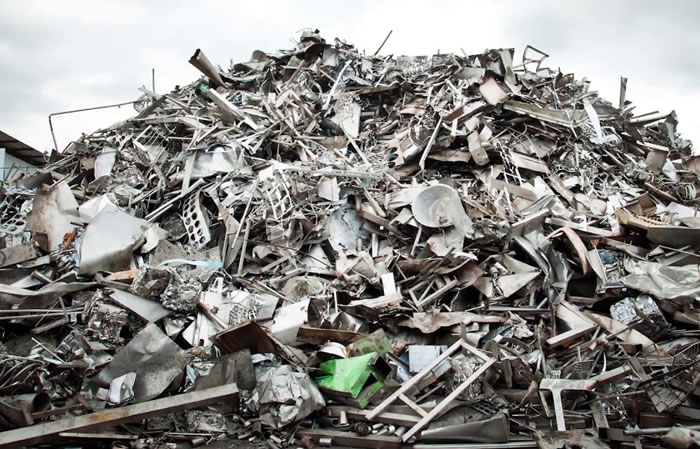
Industrial metal recycling is a vital part of sustainable manufacturing and waste management. By following best practices for industrial metal recycling, companies can minimize environmental impact, reduce costs, and comply with regulations. This guide explores proven strategies for efficient scrap handling, sorting, and processing, ensuring maximum value recovery and operational safety.
Whether you operate a fabrication shop, stamping plant, or large-scale manufacturing facility, understanding how to streamline your recycling workflow is essential. Implementing the right procedures not only supports environmental goals but also contributes to your bottom line by turning scrap into a valuable resource.
For those looking to further optimize their operations, understanding how to optimize scrap chute angles can be a valuable next step in improving material flow and minimizing waste.
Why Industrial Metal Recycling Matters
Recycling metals in industrial settings goes beyond environmental stewardship. It directly impacts resource efficiency, regulatory compliance, and profitability. By recovering and reusing metals, manufacturers can:
- Reduce landfill waste and conserve natural resources.
- Lower raw material costs by reintroducing recycled metals into production.
- Meet or exceed environmental regulations and industry standards.
- Enhance corporate sustainability initiatives and public image.
Implementing effective recycling protocols also helps prevent hazardous materials from entering the environment, supporting both workplace safety and community health.
Key Steps for Efficient Scrap Management
Managing scrap metal efficiently is foundational to any successful recycling program. The following steps outline essential actions for maximizing recovery and minimizing contamination:
- Segregate metals at the source: Separate ferrous and non-ferrous metals immediately after production or demolition. Use labeled bins and designated collection areas to avoid cross-contamination.
- Train employees: Educate staff on proper sorting techniques and the importance of keeping different metal types apart. Regular training reduces errors and increases recycling rates.
- Monitor scrap flow: Track the volume and type of scrap generated in each department. This data helps identify opportunities for process improvements and cost savings.
- Schedule regular pickups: Partner with reliable recycling vendors to ensure timely collection and prevent material buildup that can disrupt operations.
Sorting and Processing: Maximizing Value Recovery
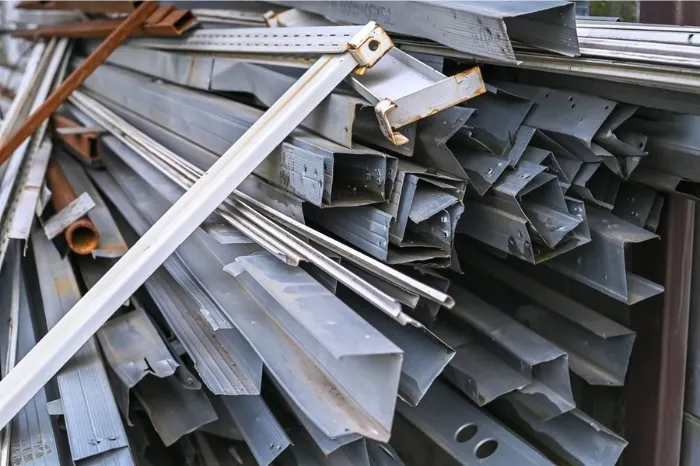
Proper sorting is crucial for maintaining the quality and value of recycled metals. Here are some best practices for industrial metal recycling facilities to ensure optimal processing:
- Use magnets and sensors: Employ magnetic separators for ferrous metals and advanced sensors for non-ferrous sorting. This technology increases accuracy and reduces manual labor.
- Remove contaminants: Eliminate oils, paints, plastics, and other non-metallic materials before processing. Clean scrap fetches higher prices and is easier to recycle.
- Invest in shredding equipment: Shredders and crushers reduce metal size, making storage and transportation more efficient. They also prepare materials for downstream processing.
- Document material flow: Keep detailed records of incoming and outgoing scrap, including weights, grades, and destinations. This transparency supports audits and continuous improvement.
For a deeper dive into the different types of metals and their recycling processes, consider reviewing this comprehensive guide to metal types and recycling methods.
Safety and Compliance in Metal Recycling Operations
Maintaining safety standards is non-negotiable in industrial recycling environments. Adhering to regulations protects workers and ensures uninterrupted operations. Key recommendations include:
- Provide personal protective equipment (PPE): Require gloves, eye protection, and steel-toed boots for all personnel handling scrap.
- Implement lockout/tagout procedures: Prevent accidental machine startups during maintenance or cleaning.
- Conduct regular safety audits: Inspect equipment and workspaces to identify hazards and enforce corrective actions.
- Stay updated on regulations: Monitor changes in local, state, and federal recycling laws to maintain compliance and avoid penalties.
Integrating these practices into daily routines fosters a culture of safety and accountability throughout the facility.
Integrating Recycling with Other Metalworking Processes
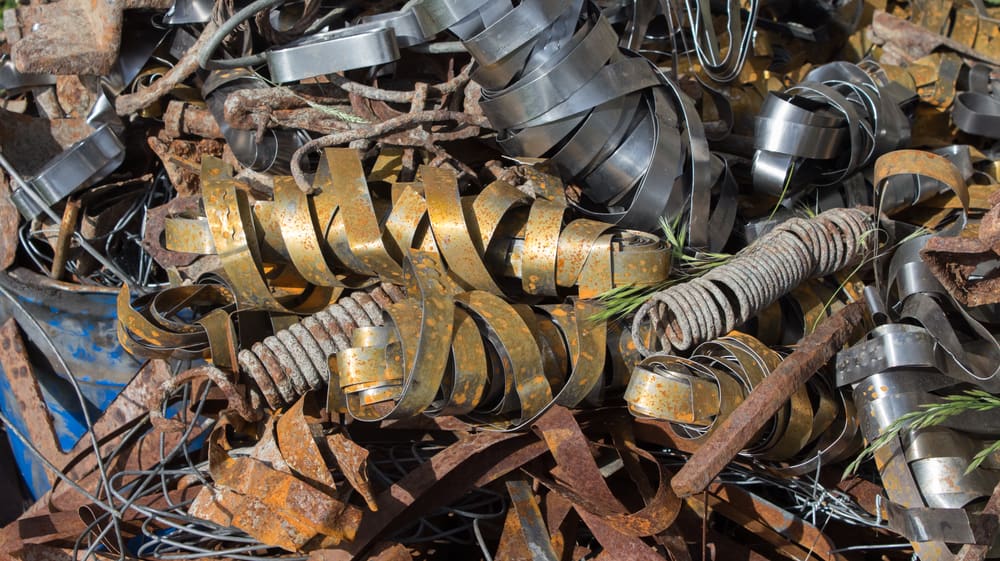
For manufacturers involved in processes like stamping, forging, or machining, integrating recycling protocols with production workflows can lead to significant efficiency gains. For example, understanding steel stamping material yield strength considerations can help identify which offcuts are most suitable for recycling, while learning best practices for stamping coated steels ensures that coatings do not interfere with downstream recycling.
Automating scrap collection and using conveyor systems can further streamline material handling, reducing manual labor and minimizing the risk of injury. Regularly reviewing production data alongside recycling outcomes allows facilities to adjust processes and maximize both yield and recovery rates.
Continuous Improvement and Sustainability Goals
Industrial recycling is not a set-and-forget operation. Facilities should regularly assess their recycling programs to identify new opportunities for improvement. Consider the following strategies:
- Set measurable targets: Define clear goals for scrap reduction, recycling rates, and cost savings.
- Engage employees: Encourage feedback and suggestions from staff at all levels to uncover practical improvements.
- Leverage technology: Adopt new sorting, tracking, and reporting tools as they become available to stay ahead of industry standards.
- Collaborate with partners: Work with recycling vendors, industry groups, and regulatory agencies to share best practices and stay informed about new developments.
By fostering a culture of continuous improvement, companies can ensure their recycling efforts remain effective and aligned with broader sustainability objectives.
Frequently Asked Questions
What metals are most commonly recycled in industrial settings?
The most frequently recycled metals in industrial environments include steel, aluminum, copper, brass, and stainless steel. These materials are widely used in manufacturing and are highly valued for their recyclability and retained properties after processing.
How can companies ensure compliance with recycling regulations?
Staying compliant involves keeping up-to-date with local and federal recycling laws, maintaining accurate records, and regularly training staff on proper handling and documentation. Conducting periodic audits and working closely with certified recycling partners also helps ensure ongoing compliance.
What are the benefits of investing in shredding equipment?
Shredding equipment reduces the size of scrap metal, making it easier to store, transport, and process. It also improves the quality of recycled material by enabling more thorough sorting and contaminant removal, ultimately increasing the value recovered from scrap.
Conclusion
Adopting best practices for industrial metal recycling is essential for manufacturers aiming to operate efficiently, sustainably, and profitably. By focusing on proper sorting, safe handling, regular training, and continuous improvement, facilities can maximize the value of their scrap while minimizing environmental impact. Leveraging technology and staying informed about industry developments ensures that recycling programs remain robust and adaptable in a rapidly changing landscape.