
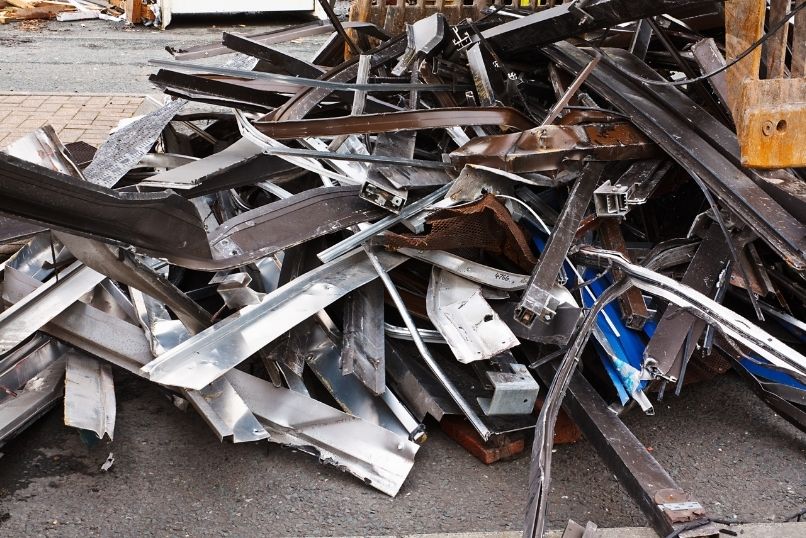
As industries and communities strive for greater sustainability, closed-loop recycling systems have emerged as a practical solution for reducing waste and conserving resources. These systems are designed to keep materials in continuous use, minimizing the need for new raw materials and lowering environmental impact. By focusing on reusing and remanufacturing materials, companies can achieve significant cost savings, improve operational efficiency, and support a circular economy.
Understanding the advantages of these recycling models is crucial for manufacturers, environmental professionals, and anyone interested in resource management. In this article, we’ll explore how closed-loop processes work, their positive effects on the environment and business, and how they compare to traditional recycling approaches. For those in metalworking and manufacturing, adopting these systems can also complement best practices for stamping coated steels and other advanced production methods.
Understanding How Closed-Loop Recycling Works
At its core, a closed-loop recycling system is a process where waste materials are collected, processed, and reused to make the same or similar products, creating a continuous cycle. This differs from open-loop systems, where recycled materials are often downcycled into lower-quality products or eventually end up as waste.
For example, in the metal industry, scrap metal from manufacturing is collected, melted down, and reformed into new metal products. This approach not only conserves valuable resources but also reduces the environmental footprint associated with mining and refining raw materials.
Environmental Advantages of Closed-Loop Recycling
One of the most compelling reasons to implement closed-loop systems is their positive impact on the environment. By keeping materials in use and reducing the need for virgin resources, these systems help lower greenhouse gas emissions, decrease landfill waste, and conserve energy.
- Reduced Resource Extraction: Less mining, drilling, and harvesting of natural resources is required when materials are continually recycled.
- Lower Energy Consumption: Recycling metals and other materials typically uses far less energy than producing them from raw sources.
- Minimized Landfill Waste: Keeping materials in a closed loop means less waste ends up in landfills, reducing environmental pollution and land use.
Economic and Operational Benefits for Businesses
Beyond environmental gains, closed-loop recycling offers substantial business advantages. Companies that implement these systems often experience reduced material costs, improved supply chain security, and enhanced brand reputation.
- Cost Savings: Using recycled materials can be less expensive than purchasing new raw inputs, especially for metals and plastics.
- Stable Material Supply: By relying on internal recycling streams, businesses can insulate themselves from price volatility and shortages in global markets.
- Regulatory Compliance: Many regions are tightening regulations around waste and resource use. Closed-loop systems help companies stay ahead of compliance requirements.
- Market Differentiation: Demonstrating a commitment to sustainability can boost a company’s image and attract environmentally conscious customers.
Closed-Loop Recycling in Metalworking and Manufacturing
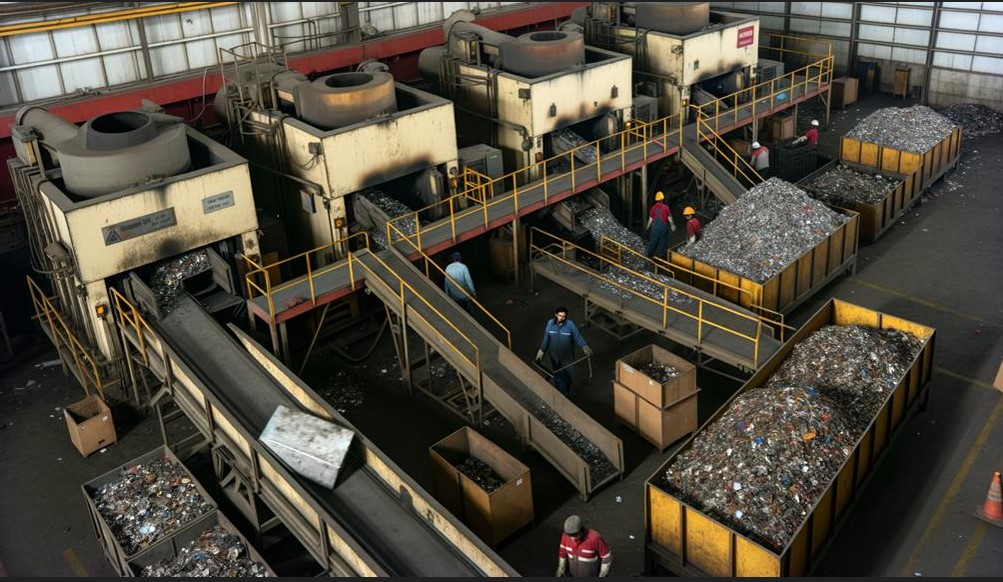
The metal industry is a prime example of how closed-loop recycling can be successfully integrated into manufacturing processes. Scrap generated during production is collected, sorted, and reprocessed, often within the same facility or supply chain. This not only reduces waste but also ensures that high-quality materials are available for future production cycles.
Manufacturers can further optimize their processes by combining recycling with steel stamping edge quality optimization and other advanced techniques. This holistic approach leads to better product quality, reduced operational costs, and a more sustainable business model overall.
Comparing Closed-Loop and Open-Loop Recycling
While both closed-loop and open-loop recycling aim to reduce waste, their outcomes differ significantly. Open-loop systems often result in materials being downcycled into products of lesser quality, which may eventually become waste. In contrast, closed-loop processes strive to maintain the quality and integrity of materials, allowing them to be reused indefinitely.
For businesses and municipalities, investing in closed-loop infrastructure can lead to greater long-term sustainability and resource efficiency. It also supports the development of a circular economy, where products and materials are kept in use for as long as possible.
Types of Materials Best Suited for Closed-Loop Systems
Not all materials are equally suited for closed-loop recycling. Metals such as steel, aluminum, and copper are ideal candidates because they can be recycled repeatedly without significant loss of quality. Plastics, glass, and certain paper products can also be integrated into closed-loop systems, though they may require more advanced sorting and processing technologies.
For a deeper look at which metals are most recyclable, see this comprehensive guide to recyclable metals.
Challenges and Considerations in Implementing Closed-Loop Recycling
While the advantages are clear, there are challenges to establishing effective closed-loop systems. These include the need for precise sorting, investment in recycling infrastructure, and collaboration across supply chains. Companies must also ensure that recycled materials meet quality standards required for their products.
Ongoing training for operators and staff is essential to maintain safety and efficiency. Resources like how to train operators for steel stamping safety can support organizations as they transition to more sustainable practices.
Frequently Asked Questions
What is the main difference between closed-loop and open-loop recycling?
Closed-loop recycling keeps materials in a continuous cycle, allowing them to be reused for the same or similar products. Open-loop recycling often results in downcycling, where materials are converted into lower-quality products and may eventually end up as waste.
Which industries benefit most from closed-loop recycling?
Industries that generate significant amounts of recyclable waste, such as metalworking, automotive, electronics, and packaging, see the greatest benefits. These sectors can reduce costs, improve sustainability, and ensure a steady supply of high-quality materials.
Are there any limitations to closed-loop recycling?
Some materials degrade after multiple recycling cycles, making them less suitable for closed-loop systems. Additionally, setting up these systems requires investment in technology and infrastructure, as well as careful management to maintain material quality.
Conclusion
Adopting closed-loop recycling systems offers measurable environmental and economic benefits. By keeping materials in use, companies can reduce waste, lower costs, and support a more sustainable future. As technology and best practices continue to evolve, these systems will play an increasingly important role in modern manufacturing and resource management.