
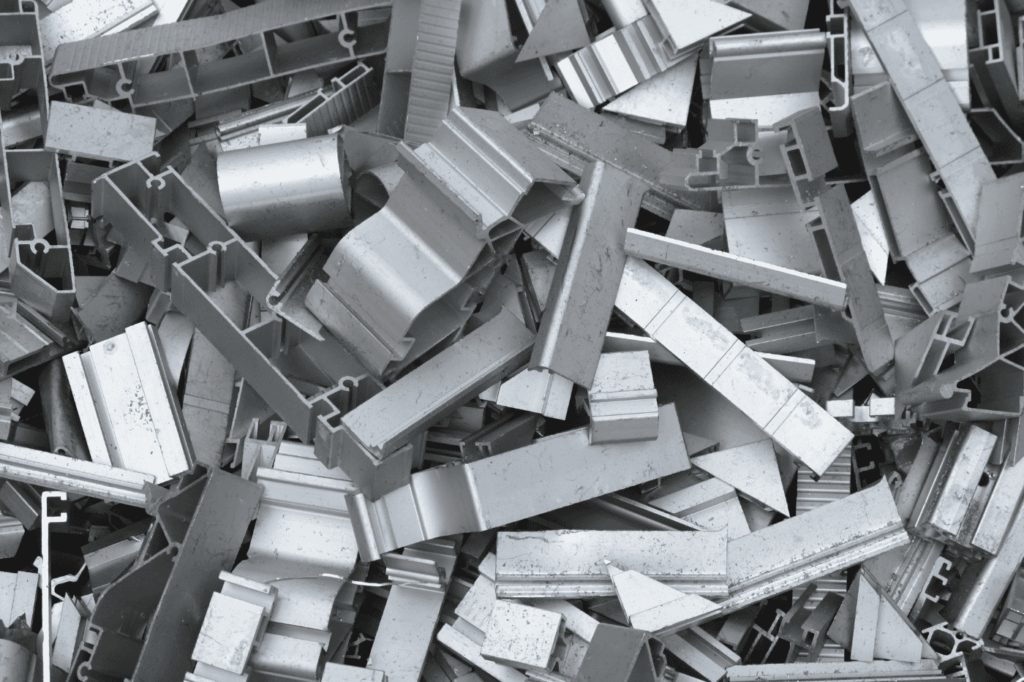
As industries seek to reduce their environmental impact, additive manufacturing sustainability metals have become a central focus in the shift toward greener production methods. This approach, often referred to as metal 3D printing, offers unique opportunities to minimize waste, lower energy consumption, and enable the use of recycled materials. Understanding how sustainable practices are integrated into metal additive manufacturing is essential for manufacturers, engineers, and anyone interested in responsible production.
Companies are increasingly adopting sustainable shop floor practices to further reduce their ecological footprint. For those looking to implement greener workflows, exploring sustainable shop floor practices can provide practical insights and actionable strategies.
Understanding Metal Additive Manufacturing and Environmental Impact
Metal additive manufacturing (AM) is a process that builds parts layer by layer using metal powders or wires. Unlike traditional subtractive methods, which cut away material from a larger block, AM only uses the material needed for the final part. This fundamental difference leads to significant reductions in scrap and raw material usage.
The environmental benefits of this technology extend beyond material savings. Energy requirements can be lower, especially when compared to processes like casting or forging. Additionally, the ability to design complex geometries allows for lighter parts, which can reduce energy consumption in applications such as aerospace and automotive.
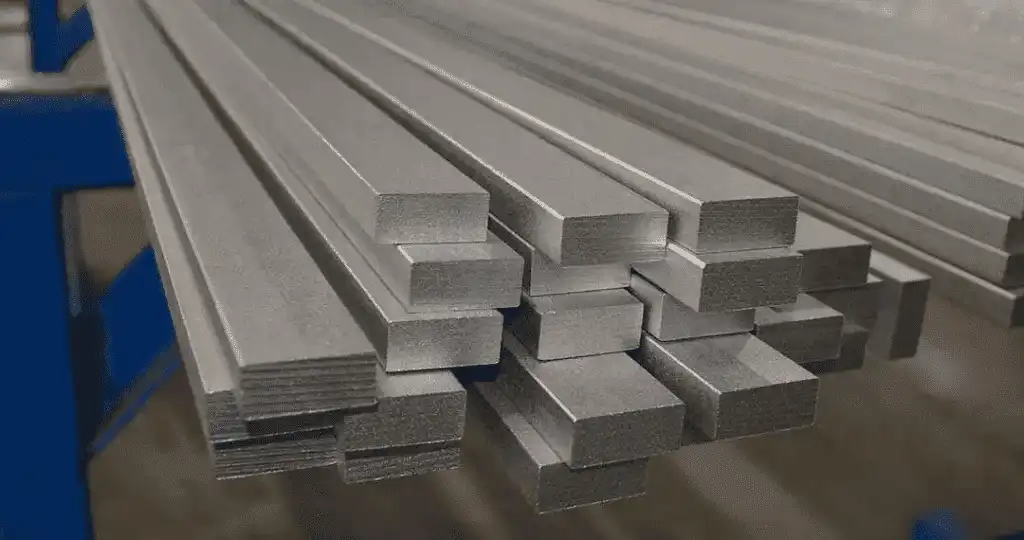
Key Sustainability Advantages of Additive Manufacturing with Metals
The use of additive manufacturing sustainability metals brings several notable advantages for eco-conscious manufacturers:
- Material Efficiency: By building only what is needed, waste is minimized. Excess powder can often be recycled and reused in subsequent builds.
- Design Optimization: Complex, lightweight structures can be produced, reducing the amount of metal required and lowering the weight of finished products.
- Localized Production: Parts can be made closer to the point of use, reducing transportation emissions and supporting distributed manufacturing networks.
- Reduced Tooling: Traditional manufacturing often requires custom molds or dies, which consume resources and energy. AM eliminates much of this need, further lowering the environmental impact.
These benefits are especially relevant as industries look for ways to align with sustainability goals and regulatory requirements.
Common Metals Used in Sustainable Additive Manufacturing
Several metals are commonly used in additive manufacturing, each offering distinct sustainability profiles:
- Stainless Steel: Widely available and highly recyclable, stainless steel is a popular choice for sustainable AM projects.
- Titanium: Known for its strength-to-weight ratio, titanium is ideal for lightweight applications, particularly in aerospace. Its high value also encourages recycling and reuse.
- Aluminum: Lightweight and corrosion-resistant, aluminum alloys are frequently used in automotive and consumer products. Aluminum’s recyclability enhances its sustainability credentials.
- Nickel Alloys: Used in high-temperature environments, nickel-based metals are durable and can be recycled, though energy use in processing is a consideration.
The choice of metal depends on the application, but all benefit from the efficiency and waste reduction inherent to additive processes.
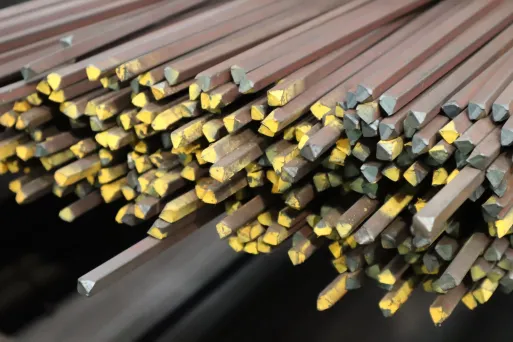
Challenges and Considerations for Sustainable Metal AM
While the environmental benefits are clear, there are challenges that must be addressed to maximize the sustainability of metal additive manufacturing:
- Energy Consumption: Some AM processes, such as laser-based systems, can be energy-intensive. Sourcing renewable energy and optimizing machine settings are important steps.
- Powder Production: Creating high-quality metal powders requires energy and resources. Advances in powder recycling and alternative production methods are helping to mitigate this impact.
- End-of-Life Recycling: Designing parts for disassembly and recycling is crucial. Closed-loop systems, where scrap and used powders are reprocessed, are becoming more common.
- Supply Chain Transparency: Tracking the origin and lifecycle of metals ensures responsible sourcing and supports sustainability claims.
Manufacturers must balance these factors to achieve the best environmental outcomes from their additive manufacturing initiatives.
Integrating Sustainable Practices into Metal Additive Manufacturing
To further enhance the eco-friendliness of metal AM, companies are adopting a range of best practices:
- Utilizing recycled or reclaimed metals as feedstock for powder production.
- Implementing eco friendly anodizing and other green finishing processes to reduce chemical use and emissions.
- Exploring water based metal coatings for sustainable finishing options.
- Reducing water use and optimizing facility operations, as discussed in reducing water use in fabrication resources.
- Monitoring and minimizing energy consumption throughout the production cycle.
These strategies not only improve environmental performance but can also lead to cost savings and enhanced operational efficiency.
Industry Trends and the Future of Sustainable Metal AM
The future of additive manufacturing sustainability metals is shaped by ongoing innovation and collaboration across the supply chain. Key trends include:
- Development of new alloys specifically designed for AM, with improved recyclability and lower environmental impact.
- Greater use of digital tools for lifecycle analysis, enabling manufacturers to quantify and optimize the sustainability of their products.
- Expansion of circular economy models, where materials are continuously reused and repurposed.
- Collaboration between manufacturers, material suppliers, and end-users to set industry standards for sustainable practices.
For a deeper look at how the metal fabrication sector is embracing greener methods, see this comprehensive overview of sustainability in metal fabrication.
As these trends continue, the role of additive manufacturing in building a more sustainable industrial landscape will only grow.
FAQs About Sustainable Metal Additive Manufacturing
What makes metal additive manufacturing more sustainable than traditional methods?
Metal AM reduces waste by using only the material needed for each part, often allows for the reuse of excess powder, and eliminates the need for extensive tooling. These factors contribute to lower resource consumption and a smaller environmental footprint compared to conventional manufacturing.
Can recycled metals be used in additive manufacturing?
Yes, recycled metals are increasingly used as feedstock for metal powders. Advances in powder production and quality control make it possible to incorporate recycled materials without compromising part performance.
How can manufacturers further improve the sustainability of metal AM?
Companies can adopt energy-efficient equipment, source renewable energy, use recycled materials, and implement green finishing processes such as green metal finishing processes. Lifecycle analysis and supply chain transparency also play important roles in boosting sustainability.