
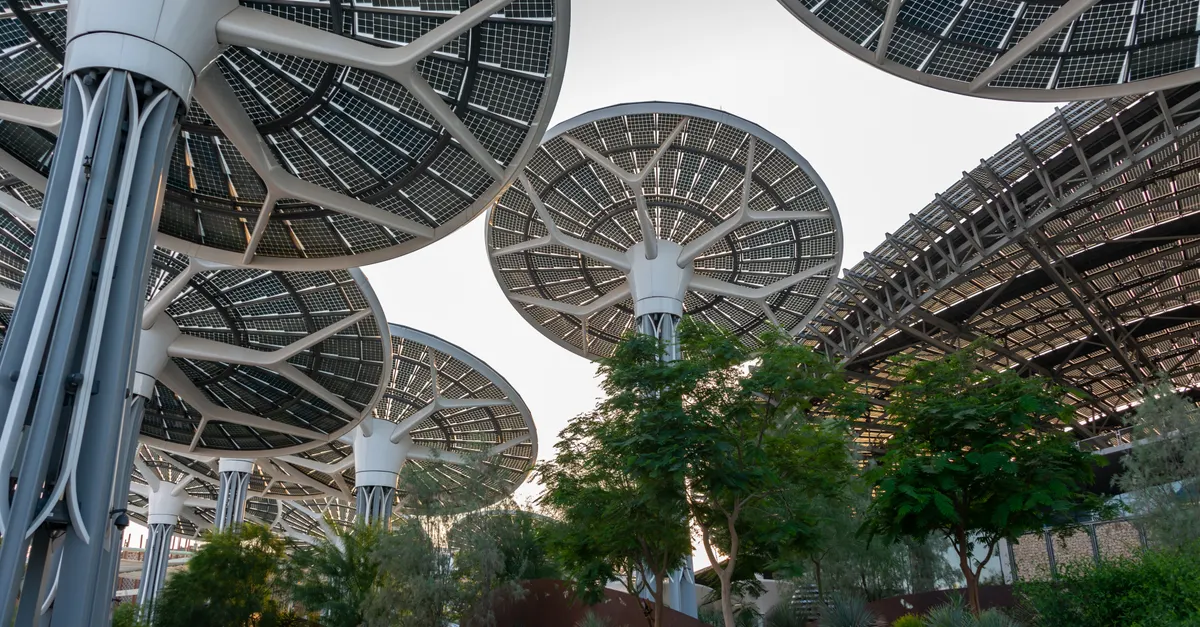
Metal design has become a central element in the pursuit of more sustainable cities. As urban populations grow and environmental concerns intensify, architects and planners are increasingly turning to innovative uses of metal to create buildings and infrastructure that are both functional and eco-friendly. By leveraging the unique properties of metals, urban development can achieve greater energy efficiency, durability, and adaptability, all while reducing environmental impact. This article explores how metal design for sustainable urban development is shaping the future of our cities, highlighting its benefits, real-world examples, integration with broader sustainability efforts, and the challenges that must be addressed.
Understanding Metal Design in Urban Sustainability
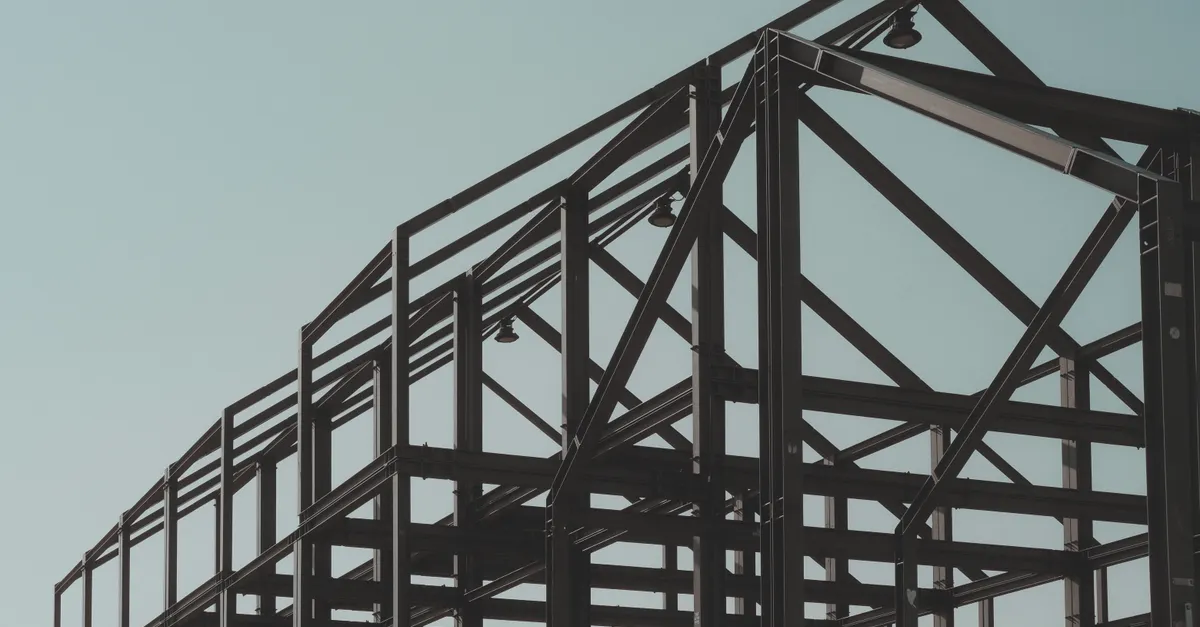
Metal design refers to the creative and technical use of metals—such as steel, aluminum, and copper—in architecture, infrastructure, and public spaces. In the context of sustainable urban development, it involves selecting and shaping metal components to minimize environmental impact throughout their lifecycle, from sourcing and fabrication to installation, use, and eventual recycling.
Metals are valued in urban design for their strength, versatility, and recyclability. When integrated thoughtfully, they can help cities meet sustainability goals by reducing resource consumption, enhancing energy performance, and supporting adaptive reuse. The Sustainable Urban Design Framework, for example, emphasizes the importance of integrating architecture, planning, and ecology to achieve holistic sustainability outcomes. Metal design fits naturally within this framework, offering solutions that address both immediate and long-term urban challenges.
Benefits of Metal Design for Sustainable Urban Development
The advantages of using metal in sustainable city projects are numerous and well-documented. Some of the most significant benefits include:
- Energy Efficiency: Architectural metal panels and kinetic facades can dramatically improve a building’s insulation and regulate indoor temperatures. According to Green City Times, these features help reduce energy consumption by minimizing the need for heating and cooling.
- Durability and Longevity: Metals are resistant to weather, pests, and fire, which means structures built with metal components often last longer and require less maintenance than those made from other materials.
- Recyclability: Most metals can be recycled repeatedly without losing their properties. This supports a circular economy and reduces the demand for virgin resources.
- Design Flexibility: Metal can be shaped, perforated, and finished in countless ways, allowing for creative architectural expressions that also serve practical functions, such as shading, ventilation, or noise reduction.
- Reduced Urban Heat Island Effect: Reflective metal surfaces can help lower surface temperatures in dense urban areas, contributing to cooler, more comfortable environments.
These benefits make metal design for sustainable urban development a powerful tool for cities aiming to reduce their ecological footprint while maintaining high standards of safety and aesthetics.
Real-World Examples: Metal Design Projects in Urban Areas
Concrete examples help illustrate how metal design principles are applied in practice. Across the globe, cities are adopting innovative metal solutions to address sustainability challenges:
- Kinetic Facades: Buildings like the Al Bahar Towers in Abu Dhabi use dynamic metal screens that respond to sunlight, reducing solar gain and energy use while creating a striking visual identity.
- Green Roof Structures: In cities such as Chicago, lightweight steel frames support extensive green roofs, enhancing biodiversity and stormwater management.
- Modular Urban Furniture: Public spaces in Copenhagen feature benches, bike racks, and planters made from recycled steel, designed for easy relocation and reuse as urban needs change.
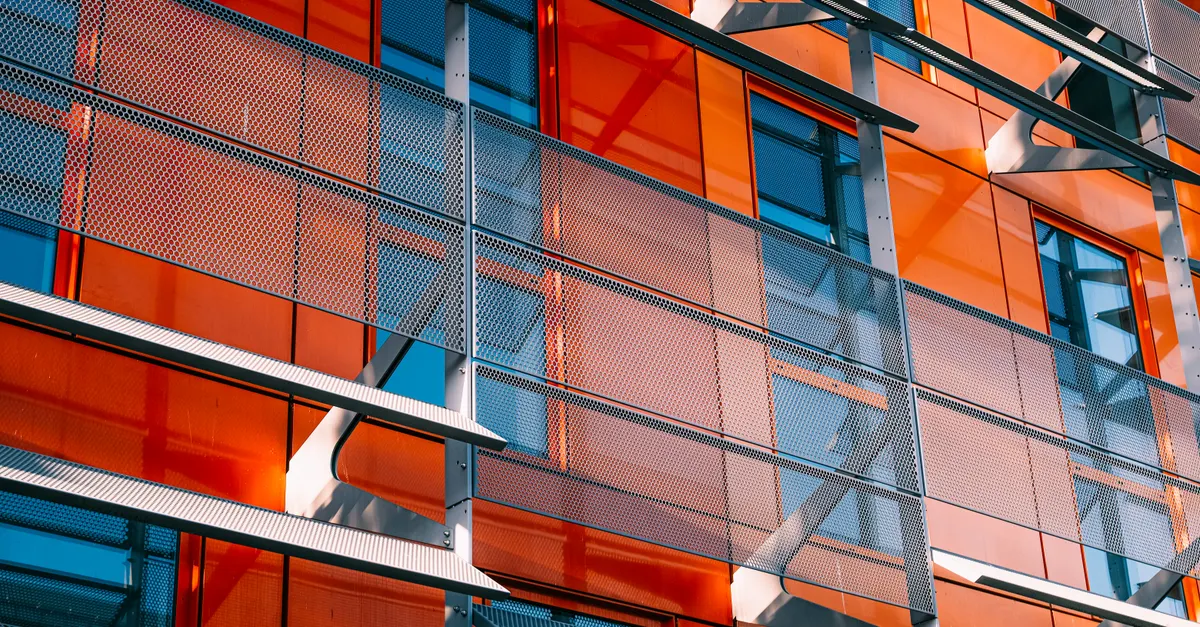
- Architectural Panels: Many new office towers and residential buildings incorporate perforated aluminum panels for shading, privacy, and improved building envelope performance.
For those interested in more detailed examples and outcomes, exploring sustainable metal design case studies provides valuable insights into successful projects and their measurable impacts.
Integrating Metal Design with Broader Urban Sustainability Strategies
Effective urban sustainability requires a holistic approach, where metal design is just one component of a larger system. Metals are often combined with other eco-friendly practices, such as:
- Passive Solar Design: Metal shading devices and reflective surfaces can be integrated with building orientation and glazing strategies to maximize natural light while minimizing heat gain.
- Rainwater Harvesting: Metal roofs and gutters are ideal for collecting rainwater, which can then be used for irrigation or non-potable purposes.
- Green Infrastructure: Metal frameworks support living walls and urban gardens, contributing to air quality and urban biodiversity.
- Lifecycle Optimization: Considering the entire lifespan of metal products—from sourcing and fabrication to end-of-life recycling—ensures that sustainability is embedded at every stage. For a deeper dive into this topic, see resources on metal product lifecycle optimization.
By integrating metal design with these and other sustainable practices, cities can create environments that are not only efficient and resilient but also adaptable to future needs.
Challenges and Limitations of Metal Design in Urban Sustainability
While the advantages are clear, there are also important challenges to consider when using metal in urban sustainability projects:
- Resource Extraction: Mining and processing metals can have significant environmental impacts if not managed responsibly. Sourcing recycled or certified materials is crucial.
- Cost: High-quality metals and advanced fabrication techniques can be expensive, potentially limiting their use in budget-constrained projects.
- Thermal Conductivity: Metals can transfer heat rapidly, which may lead to unwanted heat gain or loss if not properly insulated or designed.
- Corrosion and Maintenance: In certain environments, metals are susceptible to corrosion, requiring protective coatings or regular upkeep.
- Complexity of Recycling: While metals are generally recyclable, composite materials or coatings can complicate the recycling process.
Addressing these challenges requires thoughtful planning, collaboration with material suppliers, and ongoing innovation in both design and technology. Education on metal recycling and sustainable design education is also vital to ensure best practices are widely adopted.
Looking Ahead: The Future of Metal Design in Urban Development
The future of metal design in sustainable cities is promising, with ongoing advances in materials science, digital fabrication, and circular economy principles. Emerging trends include the use of smart metals that change properties in response to environmental conditions, increased adoption of modular construction techniques, and greater emphasis on designing for disassembly and reuse.
As cities continue to evolve, the role of metal in creating adaptable, resilient, and sustainable environments will only grow. By embracing innovation and addressing current limitations, urban planners and designers can unlock the full potential of metal to support healthier, more sustainable communities.
Frequently Asked Questions
How does metal design contribute to sustainable urban development?
Metal design supports sustainability in cities by improving energy efficiency, enabling recycling and reuse, and providing durable, low-maintenance solutions for buildings and infrastructure. Features like kinetic facades and reflective panels help regulate temperature and reduce energy use, while the recyclability of metals supports a circular economy.
What are some examples of sustainable metal designs used in urban areas?
Examples include kinetic building facades that adjust to sunlight, modular street furniture made from recycled steel, green roof structures supported by lightweight metal frames, and perforated metal panels that provide shading and ventilation for buildings.
What are the main challenges of using metal in sustainable urban design?
Key challenges include the environmental impact of metal extraction, higher upfront costs, potential issues with thermal conductivity, the risk of corrosion in certain climates, and complexities in recycling composite or coated metal products. Addressing these requires responsible sourcing, innovative design, and ongoing education.