

The intersection of metal recycling and sustainable design education is transforming how industries, designers, and communities approach resource management and environmental responsibility. As the demand for metals continues to rise in manufacturing, construction, and consumer products, understanding how to recycle these materials efficiently—and how to design with sustainability in mind—has never been more important.
This article explores the principles behind recycling metals, the role of education in promoting eco-friendly design, and practical steps for integrating these concepts into real-world applications. For those involved in manufacturing, it’s also valuable to consider best practices for stamping coated steels to minimize waste and improve process efficiency.
Understanding the Importance of Metal Recycling
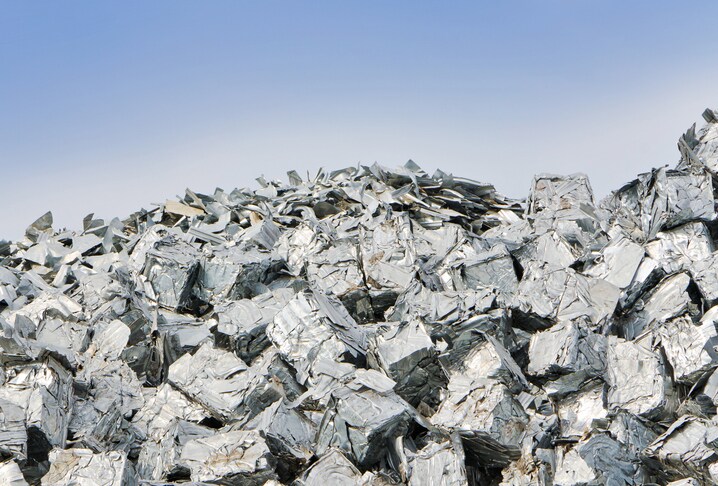
Recycling metals is a key strategy in reducing the environmental impact of industrial activities. Metals such as aluminum, steel, and copper can be recycled repeatedly without losing their properties, making them ideal for circular economy models. By reprocessing scrap metal, industries can conserve natural resources, lower greenhouse gas emissions, and reduce the need for energy-intensive mining.
The process of reclaiming metals involves collecting, sorting, cleaning, and melting down discarded items to create new products. This not only diverts waste from landfills but also supports the development of more resilient supply chains. For designers and engineers, understanding these processes is essential for making informed material choices and promoting responsible consumption.
Integrating Metal Recycling into Sustainable Design Education
Embedding the principles of metal recycling and sustainable design education into academic and professional training programs is crucial for shaping the next generation of innovators. Educational institutions and industry organizations are increasingly offering courses and workshops that focus on eco-friendly materials, life cycle analysis, and closed-loop design strategies.
These programs often emphasize hands-on learning, encouraging students to experiment with recycled metals and explore creative solutions for minimizing waste. By fostering a mindset that prioritizes sustainability, educators help prepare future professionals to address the challenges of resource scarcity and environmental degradation.
Key Benefits of Emphasizing Recycled Metals in Design
There are several advantages to prioritizing recycled metals in product development and architecture:
- Resource Conservation: Using recycled materials reduces the need for virgin ore extraction, preserving finite natural resources.
- Energy Savings: Recycling metals typically requires less energy than producing new metals from raw materials. For example, recycling aluminum saves up to 95% of the energy compared to primary production.
- Lower Environmental Impact: By minimizing mining and refining activities, recycled metals help decrease air and water pollution.
- Economic Opportunities: The recycling industry creates jobs and supports local economies while providing cost-effective materials for manufacturers.
- Design Flexibility: Recycled metals can be used in a wide range of applications, from automotive parts to building facades, offering designers creative freedom without compromising sustainability.
Practical Approaches to Teaching Sustainable Metal Use
Effective education around sustainable metal use goes beyond theory. It involves real-world case studies, collaboration with industry partners, and exposure to the latest recycling technologies. Instructors can incorporate site visits to recycling facilities, guest lectures from sustainability experts, and hands-on projects that challenge students to design products with end-of-life recovery in mind.
For those working in metal fabrication, understanding related topics such as steel stamping edge quality optimization can further improve the efficiency and sustainability of manufacturing processes.
Innovative Examples of Recycled Metal in Modern Design
Many contemporary projects showcase the creative use of recycled metals. From modular furniture to large-scale infrastructure, designers are finding new ways to incorporate reclaimed materials. For instance, architects may use recycled steel beams in green building projects, while product designers experiment with upcycled aluminum for lightweight consumer goods.
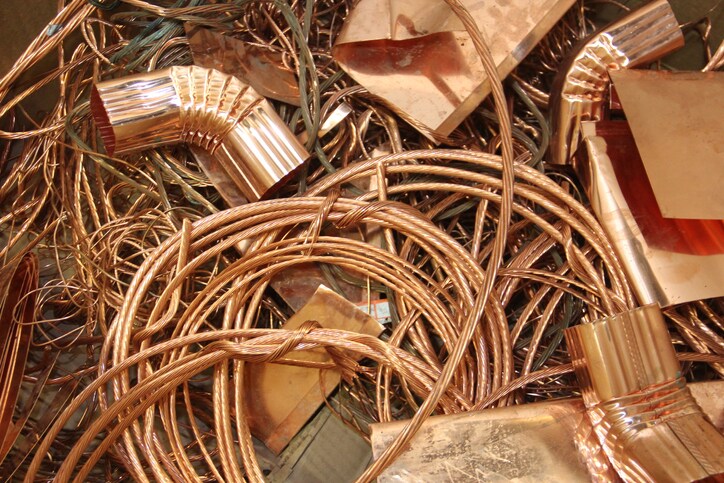
The use of recycled copper in electrical components and art installations is another example of how sustainable practices are being integrated into diverse fields. These innovations not only reduce environmental impact but also inspire others to adopt similar approaches.
To learn more about the practical uses of recycled scrap metal, see this overview of how different types of recycled scrap metal are used in manufacturing and construction.
Challenges and Opportunities in Promoting Sustainable Metal Practices
While the benefits of recycling metals and teaching sustainable design are clear, there are still challenges to overcome. Contamination of scrap, lack of standardized recycling infrastructure, and limited awareness among consumers and professionals can hinder progress. Addressing these issues requires coordinated efforts from educators, policymakers, and industry leaders.
On the other hand, advances in sorting technology, increased demand for green products, and evolving regulations are creating new opportunities for growth. By staying informed and engaged, stakeholders can help drive the transition toward a more circular and sustainable economy.
For those interested in operational improvements, topics like how to manage lubrication runoff in stamping are also relevant to reducing environmental impact in metalworking facilities.
Frequently Asked Questions
What are the most commonly recycled metals?
The most frequently recycled metals include aluminum, steel, copper, and brass. These materials are widely used in packaging, construction, electronics, and automotive industries due to their durability and ease of recycling.
How does sustainable design education support metal recycling?
Educational programs focused on sustainability teach students and professionals how to select materials, design for disassembly, and consider the full life cycle of products. This knowledge encourages the use of recycled metals and helps reduce overall waste.
What are some ways to encourage more recycling in metalworking industries?
Companies can promote recycling by implementing efficient collection systems, investing in advanced sorting technologies, and providing training on sustainable practices. Collaborating with suppliers and customers to prioritize recycled content in products also drives positive change.