
Selecting the most suitable method for steel stamping is a critical decision for manufacturers, engineers, and procurement specialists. The choice between dry and wet stamping can significantly impact production efficiency, part quality, tooling lifespan, and overall costs. Understanding the differences, advantages, and limitations of each process is essential for anyone seeking to optimize their metal forming operations.
This article provides a comprehensive overview of both dry and wet stamping, highlighting their unique characteristics and guiding you on how to choose between dry and wet stamping for your specific application. We’ll also touch on related considerations such as lubrication, safety, and process control, with practical resources for further reading.
For those interested in optimizing press performance, consider reviewing these stamping press vibration control tips to further enhance precision and part quality.
Understanding the Differences: Dry and Wet Stamping Explained
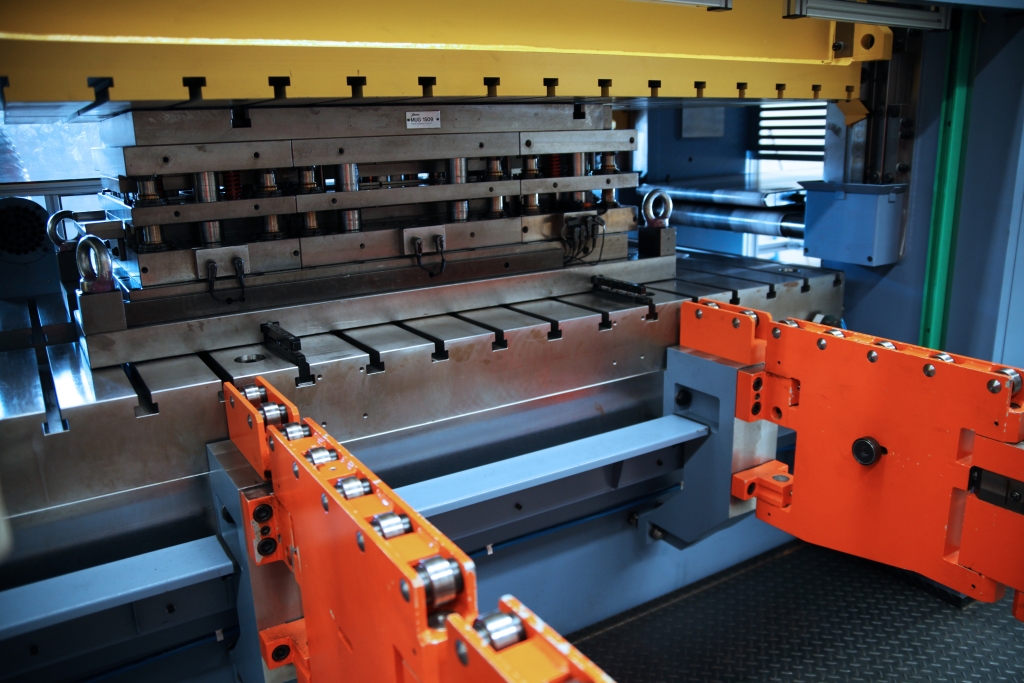
At its core, metal stamping involves shaping steel or other metals using a die and a press. The distinction between dry and wet stamping lies in the use—or absence—of lubricants during the forming process.
- Dry stamping is performed without any added lubrication between the die and the workpiece. The process relies on the inherent properties of the steel and the surface finish of the die.
- Wet stamping utilizes lubricants, oils, or specialized fluids to reduce friction, dissipate heat, and protect tooling during the stamping operation.
The decision on how to choose between dry and wet stamping depends on several factors, including material type, part complexity, production volume, and quality requirements.
Key Factors When Deciding Between Dry and Wet Stamping
Making the right selection involves weighing the pros and cons of each approach. Below are the main considerations to keep in mind:
Material Properties and Surface Finish
Some metals, such as stainless steel or high-strength alloys, generate significant friction during forming. In these cases, wet stamping is often preferred to minimize wear and achieve a smoother surface. For less demanding materials or when a matte finish is acceptable, dry stamping may suffice.
If your application requires adherence to strict steel stamping surface finish requirements, the use of lubrication in wet stamping can help meet those standards.
Tooling Wear and Maintenance
One of the biggest advantages of wet stamping is the reduction in die wear. Lubricants act as a barrier, preventing direct metal-to-metal contact and extending the life of expensive tooling. Dry stamping, while simpler, may lead to more frequent maintenance and replacement of dies, especially in high-volume production.
Production Speed and Process Control
Wet stamping generally allows for higher press speeds due to reduced friction and heat buildup, which can improve throughput. However, it also introduces additional steps, such as cleaning and drying parts after stamping. Dry stamping eliminates these steps, potentially streamlining the workflow for certain applications.
Advantages and Disadvantages of Each Method
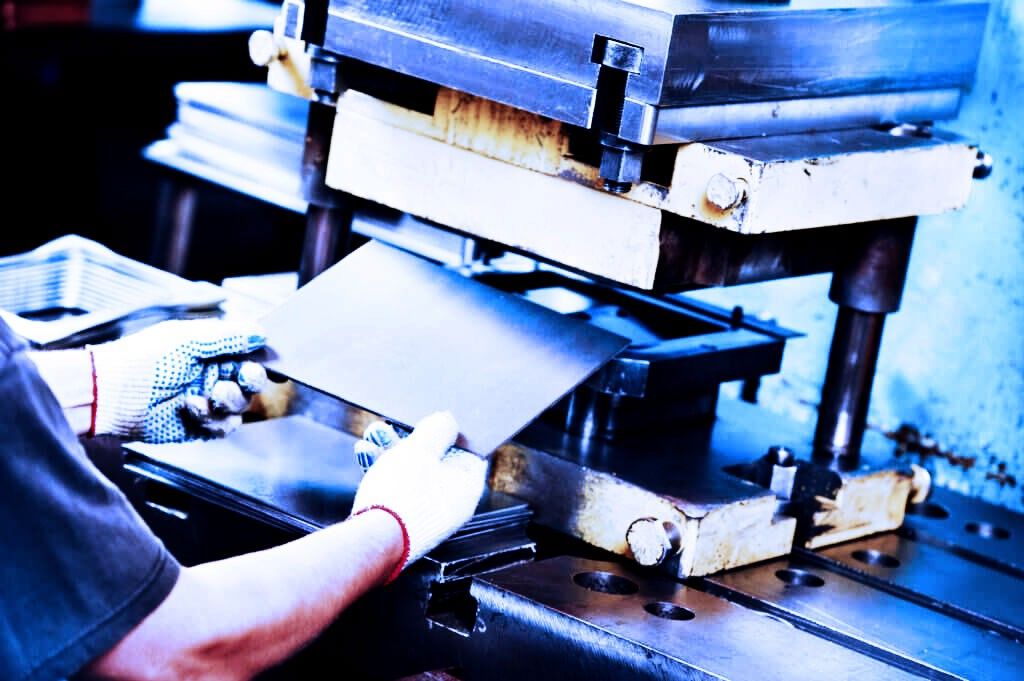
To help clarify how to choose between dry and wet stamping, consider the following summary of each method’s strengths and limitations:
| Method | Advantages | Disadvantages |
|---|---|---|
| Dry Stamping |
|
|
| Wet Stamping |
|
|
When to Use Dry Stamping
Dry stamping is often chosen for short production runs, simple geometries, or when working with softer metals. It’s also suitable when post-processing steps, such as painting or welding, require clean, oil-free surfaces. If minimizing environmental impact is a priority, dry stamping eliminates the need for managing lubricant waste.
When Wet Stamping Is the Better Choice
For high-volume manufacturing, complex part shapes, or applications demanding tight tolerances, wet stamping is usually the preferred method. The use of lubricants not only extends tool life but also helps maintain consistent quality over long production runs. If your operation involves advanced steels or requires a premium surface finish, wet stamping offers clear advantages.
Choosing the right lubricant is crucial for wet stamping. For guidance, see how to select a steel stamping lubricant to match your die and material.
Additional Considerations: Safety, Environment, and Cost
Safety is paramount in any stamping operation. Wet processes can introduce slip hazards and require careful handling of oils and chemicals. For best practices, review metal stamping safety recommendations to ensure a safe working environment.
Environmental impact is another factor. Wet stamping generates waste fluids that must be collected and disposed of properly. Dry stamping, by contrast, produces less waste but may result in higher energy consumption due to increased friction.
Finally, cost analysis should include not only direct expenses (lubricants, cleaning, tool replacement) but also indirect costs such as downtime, maintenance, and regulatory compliance.

Tips for Optimizing Your Steel Stamping Process
- Evaluate your part requirements, including material type, thickness, and finish.
- Consider production volume and whether the added steps of wet stamping are justified.
- Analyze the total cost of ownership for dies, including maintenance and replacement.
- Stay informed about press technology—see the differences between hydraulic and mechanical stamping presses for more insight.
- Monitor press speed and accuracy, as these can be affected by your choice of stamping method. For more, check the impact of press speed on part accuracy.
Frequently Asked Questions
What are the main differences between dry and wet stamping?
The primary difference is the use of lubricants. Dry stamping is performed without lubrication, resulting in higher friction and potentially more die wear. Wet stamping uses oils or fluids to reduce friction, improve surface finish, and extend tool life, but requires additional cleaning and handling of waste fluids.
How do I know which stamping process is best for my application?
Consider your material type, part complexity, production volume, and surface finish requirements. Wet stamping is generally better for high-volume, complex, or high-precision parts, while dry stamping may be suitable for simpler, low-volume jobs or when a clean, oil-free finish is needed.
Are there environmental concerns with wet stamping?
Yes, wet stamping generates waste fluids that must be managed and disposed of according to environmental regulations. Dry stamping has less environmental impact in this regard but may increase energy use due to higher friction.
Does the choice of stamping method affect tool life?
Absolutely. Wet stamping typically extends die life by reducing friction and heat, while dry stamping can cause more rapid wear, especially in demanding applications.