
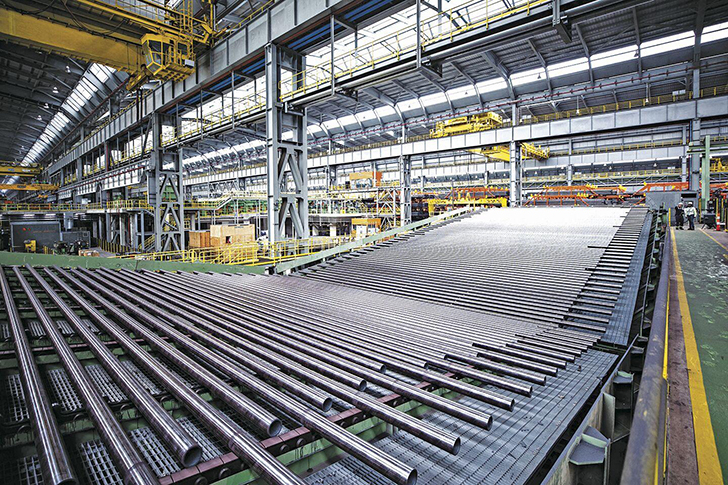
As industries worldwide focus on reducing their environmental impact, sustainable steel sourcing has become a crucial strategy for fabricators aiming to minimize their carbon footprint. The demand for eco-friendly materials is growing, and steel—one of the most widely used construction and manufacturing materials—plays a central role in this shift. Choosing steel that is responsibly produced and sourced can significantly influence the sustainability of finished products, from buildings to automotive components.
For manufacturers and fabricators, adopting responsible sourcing practices is not just about meeting regulatory requirements or customer expectations. It’s also about future-proofing operations, improving efficiency, and supporting a circular economy. If you’re involved in steel fabrication, understanding the principles and practices behind sustainable procurement is essential. For those interested in process optimization, you may also want to review steel stamping edge quality optimization for technical insights on maximizing material performance.
Why Responsible Steel Procurement Matters
The steel industry is responsible for a significant share of global greenhouse gas emissions. However, advances in production technology, recycling, and supply chain transparency have made it possible to source steel with a much lower environmental impact. By prioritizing sustainable steel sourcing, fabricators can:
- Reduce embodied carbon in finished products
- Support suppliers who use renewable energy and recycled materials
- Enhance brand reputation and meet green building standards
- Comply with evolving regulations and customer demands for traceability
Making informed choices about where and how steel is sourced helps ensure that fabrication projects contribute positively to environmental goals.
Key Criteria for Eco-Conscious Steel Selection
Choosing steel for environmentally responsible fabrication involves more than just price and availability. Here are the main factors to consider:
Recycled Content and Circularity
One of the most effective ways to lower the environmental impact of steel is to use material with high recycled content. Modern steel can be produced from scrap using electric arc furnaces, which consume less energy and generate fewer emissions compared to traditional blast furnace methods. Look for certifications or supplier documentation that specify recycled percentages.
Energy Sources and Emissions Transparency
The carbon footprint of steel varies greatly depending on the energy mix used in production. Suppliers who utilize renewable energy or have invested in carbon capture technologies can offer steel with significantly reduced emissions. Request Environmental Product Declarations (EPDs) or similar documentation to compare the environmental performance of different sources.
Certifications and Responsible Sourcing Standards
Several third-party certifications help buyers identify steel produced with sustainability in mind. Common standards include:
- ResponsibleSteel™ certification
- ISO 14001 (environmental management systems)
- EPDs (Environmental Product Declarations)
- LEED and BREEAM credits for green building projects
Working with certified suppliers ensures that your procurement aligns with recognized best practices and global sustainability goals.
Integrating Sustainable Steel Sourcing into Fabrication Workflows
Adopting eco-friendly sourcing is most effective when integrated throughout the fabrication process. Here’s how forward-thinking companies are making it work:
- Supplier Audits: Evaluate suppliers based on environmental performance, transparency, and compliance with international standards.
- Material Traceability: Implement systems to track the origin and lifecycle of steel used in projects.
- Design for Reuse: Create products and components that can be easily disassembled and recycled at end of life.
- Process Optimization: Reduce waste by optimizing cutting, stamping, and forming processes. For example, applying best practices for stamping coated steels can help minimize material loss and improve product quality.
Challenges and Solutions in Responsible Steel Procurement
While the benefits of responsible sourcing are clear, there are practical challenges to implementation:
- Limited Availability: Not all regions have easy access to low-carbon or recycled steel. Building long-term relationships with progressive suppliers can help secure a reliable supply.
- Cost Considerations: Eco-friendly steel may carry a price premium. However, this can be offset by operational efficiencies, reduced waste, and eligibility for green building incentives.
- Data Gaps: Inconsistent reporting and lack of transparency can make it difficult to compare suppliers. Requesting standardized EPDs and certifications is key.
Overcoming these barriers often requires collaboration across the supply chain, as well as a commitment to continuous improvement.
Industry Resources and Further Reading
Staying informed about the latest trends, technologies, and standards is essential for anyone involved in sustainable fabrication. For a deeper dive into environmentally responsible metalworking, see this comprehensive guide to sustainable metal fabrication solutions from industry experts.
Frequently Asked Questions
What is the environmental impact of traditional steel production?
Conventional steelmaking, especially using blast furnaces, is energy-intensive and emits large amounts of CO2. By contrast, steel produced with recycled content and renewable energy significantly reduces emissions and resource consumption.
How can fabricators verify the sustainability of their steel supply?
Verification can be achieved by requesting third-party certifications such as ResponsibleSteel™, reviewing Environmental Product Declarations, and ensuring suppliers provide transparent data on recycled content and production methods.
Are there industry standards for sustainable steel sourcing?
Yes, several standards exist, including ResponsibleSteel™, ISO 14001, and EPDs. These frameworks help buyers evaluate suppliers and ensure their procurement aligns with global sustainability objectives.
Conclusion
Embracing sustainable steel sourcing is a practical and impactful way for fabricators to reduce their environmental footprint while meeting the expectations of clients and regulators. By prioritizing recycled content, supplier transparency, and responsible certifications, companies can drive positive change throughout the steel supply chain. Integrating these principles into daily operations not only benefits the planet but also enhances competitiveness in a rapidly evolving market.