
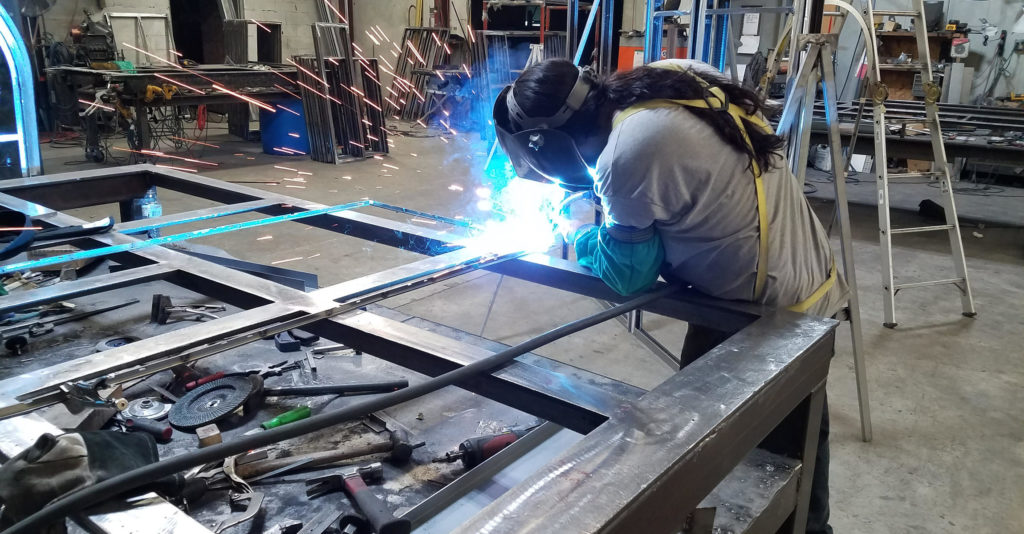
The shift toward sustainable metal fabrication is transforming how manufacturers and fabricators approach production in today’s industries. As environmental regulations tighten and customer expectations evolve, businesses are rethinking their processes to reduce waste, conserve resources, and minimize their carbon footprint. This movement is not just about compliance—it’s about building a resilient, future-ready operation that balances profitability with responsibility.
Embracing eco-friendly methods in metalworking can lead to significant cost savings, improved brand reputation, and long-term operational efficiency. From sourcing recycled materials to optimizing energy use, each step in the fabrication process presents opportunities for improvement. For companies looking to deepen their commitment, understanding the core principles and practical strategies behind these green initiatives is essential.
One of the foundational steps for any organization is evaluating the source and quality of recycled metals. If you’re interested in ensuring your supply chain meets high standards, our guide on how to audit recycled metal suppliers offers practical advice for vetting vendors and maintaining material integrity.
Core Principles of Eco-Friendly Metalworking
At its heart, sustainable metal fabrication revolves around three main pillars: resource efficiency, waste minimization, and environmental stewardship. These principles guide every stage of production, from material selection to final finishing.
- Resource Efficiency: Using less raw material and maximizing the use of recycled content reduces the demand for virgin resources and lowers environmental impact.
- Waste Minimization: Implementing lean manufacturing techniques and recycling scrap metal helps divert waste from landfills and cuts disposal costs.
- Environmental Stewardship: Reducing emissions, managing chemicals responsibly, and conserving energy all contribute to a cleaner, safer workplace and community.
These guiding concepts are not only beneficial for the planet—they also make good business sense. Companies that prioritize these values often see improved operational efficiency and a stronger competitive edge.
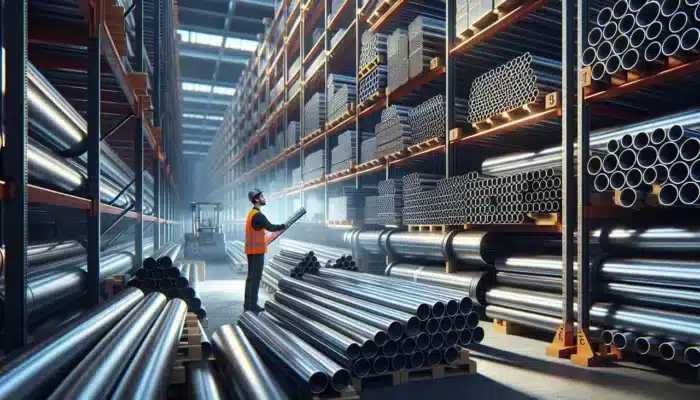
Material Choices and Sourcing for Greener Fabrication
Selecting the right materials is a critical step in reducing the environmental impact of metalworking. Whenever possible, manufacturers are turning to recycled metals and alloys with lower embodied energy. This not only conserves natural resources but also reduces greenhouse gas emissions associated with mining and processing.
For many businesses, learning how small businesses can use recycled metals is a practical way to start. By sourcing from reputable suppliers and verifying the recycled content, companies can ensure they’re making a positive impact without compromising on quality or performance.
Additionally, the importance of traceability in recycled metals cannot be overstated. Tracking the origin and processing history of materials helps guarantee compliance with environmental standards and supports transparency throughout the supply chain.
Energy Efficiency and Emissions Reduction in Metal Fabrication
Energy consumption is one of the largest contributors to the environmental footprint of metalworking operations. Modern facilities are investing in high-efficiency equipment, process automation, and renewable energy sources to cut down on electricity and fuel use.
Simple upgrades—such as switching to LED lighting, optimizing HVAC systems, and maintaining machinery—can yield significant savings. More advanced strategies include heat recovery, variable speed drives, and integrating solar or wind power into plant operations.
Reducing emissions goes hand-in-hand with energy management. By adopting cleaner production methods and capturing or treating pollutants, companies can meet regulatory requirements and improve workplace safety.
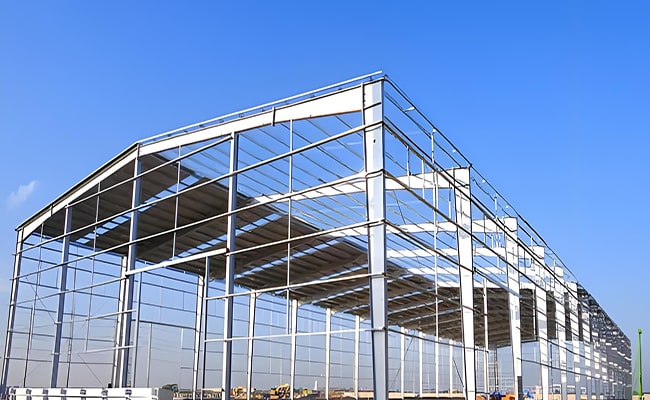
Waste Reduction and Circular Economy Approaches
Minimizing waste is a cornerstone of sustainable practices in metalworking. By adopting lean manufacturing principles, companies can streamline processes, reduce offcuts, and maximize material utilization. Scrap metal should be collected, sorted, and sent back into the production cycle whenever possible.
For actionable steps, see our resource on how to reduce metal waste in factories. These strategies not only help the environment but can also result in substantial cost savings over time.
Embracing a circular economy mindset means designing products and systems that keep materials in use for as long as possible. This includes rethinking product design for easier disassembly, encouraging repair and reuse, and collaborating with partners to close the loop on material flows.
Certifications, Standards, and Industry Collaboration
Adhering to recognized certifications and standards is essential for demonstrating a commitment to green manufacturing. Programs such as ISO 14001 (Environmental Management Systems) and LEED (Leadership in Energy and Environmental Design) provide frameworks for continuous improvement and accountability.
Industry collaboration also plays a vital role. By sharing best practices, investing in research, and participating in collective initiatives, companies can drive innovation and accelerate the adoption of sustainable solutions across the sector.
For more on how companies are integrating eco-friendly practices, explore this overview of sustainability and eco-friendly practices in metal fabrication for practical examples and insights.
Brand Value and Customer Expectations in Green Metalworking
Today’s customers and stakeholders increasingly expect manufacturers to demonstrate environmental responsibility. Companies that invest in sustainable metal fabrication not only reduce their ecological impact but also enhance their brand value and appeal to a growing market of conscious consumers.
Highlighting your environmental initiatives—such as using recycled content, reducing emissions, or achieving third-party certifications—can set your business apart. To understand the broader benefits, read about how recycled metal improves brand sustainability and strengthens your company’s reputation.
Frequently Asked Questions
What are the main benefits of adopting sustainable practices in metal fabrication?
Key advantages include reduced environmental impact, lower operating costs, improved compliance with regulations, and enhanced brand reputation. Sustainable approaches also foster innovation and can open new market opportunities.
How can manufacturers verify the quality of recycled metals?
Quality can be ensured by working with reputable suppliers, conducting regular audits, and requiring documentation on material origin and processing. For more detailed steps, refer to our guide on how to audit recycled metal suppliers.
What role does energy efficiency play in eco-friendly metalworking?
Improving energy efficiency reduces greenhouse gas emissions, lowers utility costs, and helps manufacturers meet sustainability goals. Upgrading equipment, optimizing processes, and using renewable energy sources are all effective strategies.