
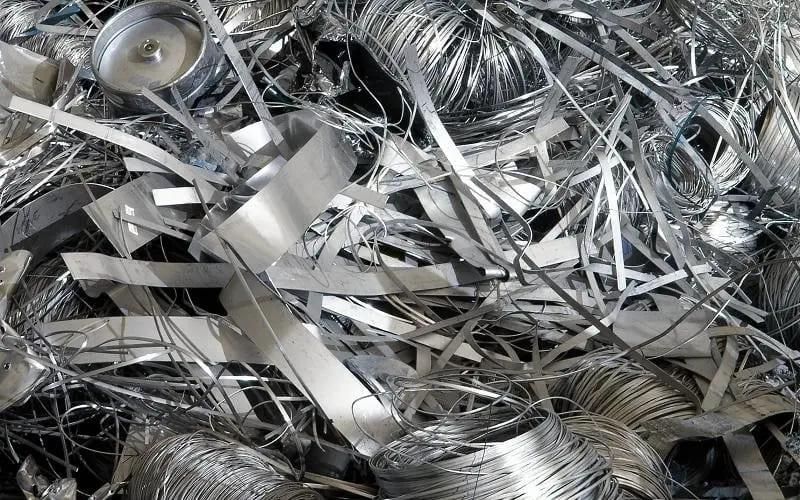
The steps in metal recycling are essential for reducing waste, conserving resources, and supporting a more sustainable industrial ecosystem. From the initial gathering of scrap to the transformation of materials into new products, each phase plays a crucial role in the circular economy. Whether you’re a business owner, manufacturer, or simply interested in environmental practices, understanding how metals are recovered and reused can help you make informed decisions and contribute to a greener future.
This guide breaks down the main phases of the process, highlighting best practices and the value of each stage. For a more detailed look at the entire workflow, you can also explore the metal recycling process explained in a step-by-step format.
Understanding the Metal Recovery Lifecycle
The journey from discarded metal to a repurposed product is a multi-stage process. Each step ensures that valuable materials are efficiently collected, sorted, processed, and ultimately reintroduced into manufacturing. By following these procedures, industries can minimize environmental impact and maximize the economic value of scrap metals.
Collection: Gathering Scrap for Recycling
The first and perhaps most visible phase in the steps in metal recycling is the collection of scrap. This stage involves gathering discarded metal items from various sources, including households, businesses, construction sites, and industrial facilities. Commonly recycled metals include aluminum, steel, copper, and brass.
Collection methods vary depending on the source and type of metal. Municipal recycling programs, dedicated scrap yards, and specialized collection services all play a role in ensuring that metals are diverted from landfills. Proper sorting at this stage can improve the efficiency of later processes and increase the value of the recovered material.
Sorting and Separation: Ensuring Purity and Value
Once collected, metals must be sorted to separate ferrous from non-ferrous materials and to remove contaminants. This step is critical because mixed or contaminated scrap can reduce the quality of the final recycled product.
Sorting can be performed manually or with the help of machines such as magnets (for ferrous metals), eddy current separators (for non-ferrous metals), and advanced sensor-based systems. Accurate separation ensures that each type of metal is processed appropriately, maintaining its value and usability for future applications.
Processing: Shredding, Cleaning, and Preparation
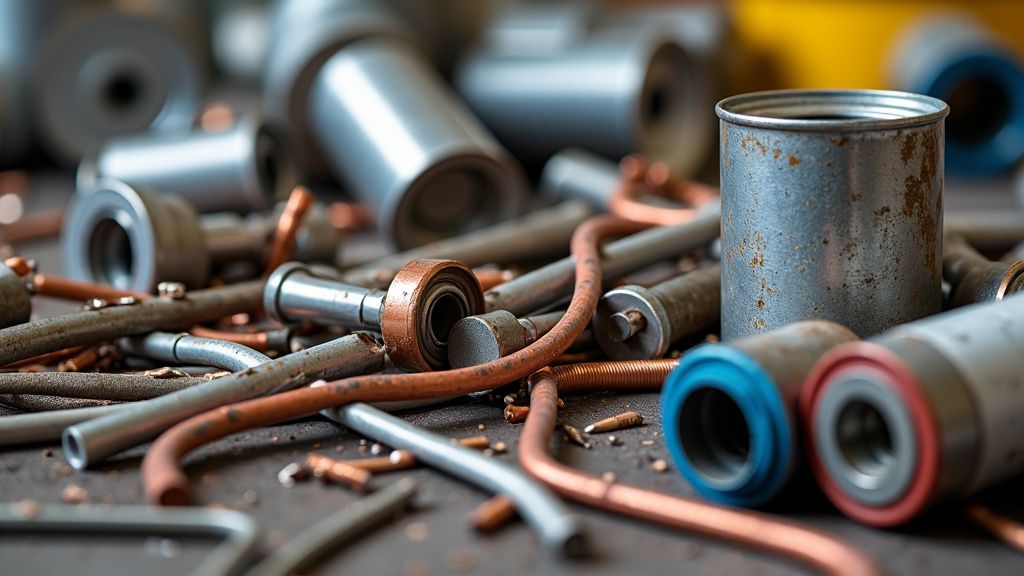
After sorting, the next stage involves processing the metals to prepare them for melting. This typically includes shredding large pieces into smaller fragments, which increases the surface area and makes subsequent steps more efficient.
Cleaning is also essential to remove paint, coatings, plastics, and other non-metallic materials. This can be achieved through mechanical, chemical, or thermal methods. Clean, well-prepared scrap ensures higher quality in the final recycled product and reduces energy consumption during melting.
Melting and Purification: Transforming Scrap Into Raw Material
The processed metal fragments are then melted in large industrial furnaces. The type of furnace and melting technique depends on the specific metal being recycled. For example, aluminum is often melted in rotary furnaces, while steel may be processed in electric arc furnaces.
During melting, impurities are removed through various purification methods, such as electrolysis or the use of fluxes. This step ensures that the resulting metal is of high quality and suitable for manufacturing new products.
Solidification and Repurposing: Creating New Products
Once purified, the molten metal is poured into molds or cast into specific shapes, such as bars, sheets, or ingots. These forms are then cooled and solidified, making them ready for further manufacturing.
The final stage is repurposing, where recycled metals are used to produce new products. This can include everything from automotive parts and construction materials to electronics and packaging. By reintroducing recycled metals into the supply chain, manufacturers reduce the need for virgin materials and lower their environmental footprint.
For more on how recycled materials are used in industry, see the article on how recycled metal is used in manufacturing.
Types of Metals Commonly Recycled
Not all metals are recycled in the same way, and some are more commonly recovered than others. Ferrous metals, such as iron and steel, are magnetic and widely recycled due to their abundance and ease of processing. Non-ferrous metals, including aluminum, copper, brass, and zinc, are also valuable and frequently recovered.
For a comprehensive overview of recyclable metals, visit this guide to the different types of metal that can be recycled.
Benefits of Following the Metal Recycling Process
Adhering to the established steps in metal recycling offers several advantages:
- Resource conservation: Recycling reduces the need for mining and extraction of new ores.
- Energy savings: Processing scrap metal typically uses less energy than producing metal from raw materials.
- Waste reduction: Diverting metals from landfills helps minimize environmental pollution.
- Economic value: Recovered metals can be sold or reused, providing financial benefits for businesses and communities.
Understanding the difference between recycled and virgin materials is also important. For more details, refer to the article on the difference between recycled and virgin metal.
Challenges and Best Practices in Metal Recovery
While the process is well-established, there are challenges to consider. Contamination, improper sorting, and inefficient collection can reduce the effectiveness of recycling programs. Adopting best practices—such as educating the public, investing in advanced sorting technology, and maintaining clear labeling—can help overcome these obstacles.
Businesses that generate significant amounts of scrap should work with reputable recyclers and stay informed about evolving industry standards. For those interested in the industrial context, the importance of metal recycling in industry is a valuable resource.
Frequently Asked Questions
What are the main phases involved in metal recycling?
The process typically includes collection, sorting and separation, processing (such as shredding and cleaning), melting and purification, and finally, solidification and repurposing. Each phase is essential for ensuring high-quality recycled materials.
Why is sorting so important in the recycling of metals?
Proper sorting ensures that different types of metals are separated and contaminants are removed. This improves the quality of the recycled product and increases its value for manufacturers.
How does recycling metal benefit the environment?
Recycling metals conserves natural resources, reduces energy consumption, and decreases landfill waste. It also lowers greenhouse gas emissions compared to producing metals from raw materials.
Can all metals be recycled?
Most metals can be recycled, but the process and economic viability depend on the type and purity of the material. Commonly recycled metals include steel, aluminum, copper, and brass.
What happens to recycled metals after processing?
After processing, recycled metals are formed into raw materials such as ingots or sheets, which are then used to manufacture new products in various industries.