
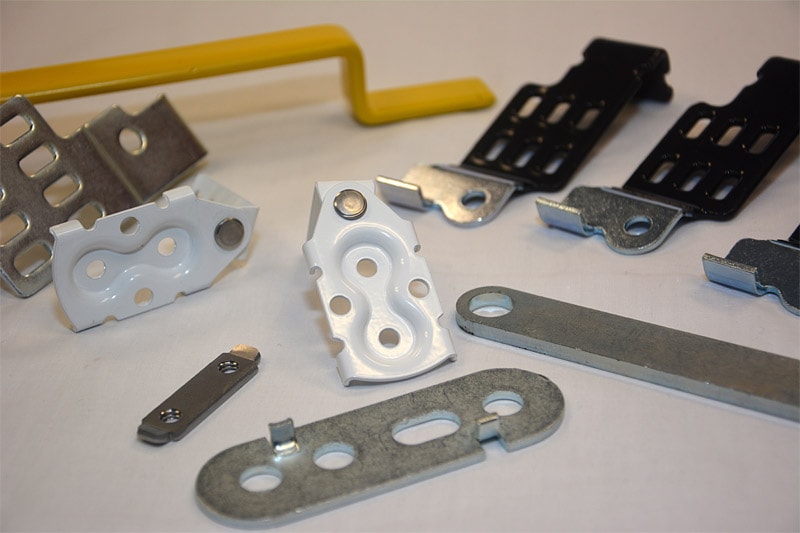
The metal stamping industry faces constant pressure to improve efficiency, reduce material waste, and deliver high-quality parts at competitive prices. As manufacturers seek ways to optimize production, steel stamping part nesting software benefits have become increasingly important for companies looking to stay ahead. This technology streamlines the process of arranging parts on sheet metal, maximizing material usage and minimizing costs.
By leveraging advanced algorithms, these software solutions help manufacturers achieve better yield, faster turnaround, and improved consistency. In this article, we’ll explore the core advantages of adopting nesting software for steel stamping operations, how it impacts return on investment (ROI), and what to consider when evaluating solutions for your shop floor. For those interested in related process improvements, you may also want to review steel stamping edge quality optimization for further technical insights.
Understanding Nesting Software for Metal Stamping
Nesting software is designed to automate and optimize the layout of multiple parts on a sheet of steel or other metals. The goal is to fit as many parts as possible onto a given sheet, reducing scrap and maximizing material utilization. This process, known as nesting, is critical in industries where material costs and waste directly impact profitability.
Modern solutions use intelligent algorithms to analyze part geometries, material constraints, and machine capabilities. The result is a layout that not only saves material but also streamlines downstream processes such as cutting, stamping, and handling. By automating what was once a manual and time-consuming task, manufacturers can achieve higher throughput and more consistent results.
Core Steel Stamping Part Nesting Software Benefits
Adopting advanced nesting technology offers a range of advantages for metal stamping operations. Here are some of the most significant benefits:
- Material Savings: By optimizing layouts, companies can reduce scrap rates by up to 20% or more, depending on part complexity and sheet size. This directly translates to lower raw material costs.
- Increased Productivity: Automated nesting reduces manual planning time and enables faster setup. Operators can process more jobs in less time, increasing overall throughput.
- Consistent Quality: Software-driven layouts minimize human error, ensuring each batch of parts is produced to the same high standard. This consistency is vital for meeting customer specifications and maintaining a strong reputation.
- Better Inventory Management: With precise nesting, manufacturers can more accurately predict material requirements, reducing overstock and minimizing the risk of material shortages.
- Improved Job Quoting: Accurate nesting simulations allow for more precise cost estimates, helping sales teams provide competitive quotes while protecting margins.
How Nesting Software Drives ROI in Metal Stamping
The return on investment for implementing nesting software is often realized quickly, thanks to both direct and indirect savings. Here’s how these solutions contribute to a stronger bottom line:
- Reduced Material Waste: Even small improvements in material utilization can lead to significant cost savings over time, especially for high-volume operations.
- Lower Labor Costs: Automating the nesting process frees up skilled workers to focus on higher-value tasks, reducing the need for manual layout and planning.
- Faster Turnaround: Efficient nesting shortens lead times, enabling manufacturers to take on more jobs and improve customer satisfaction.
- Enhanced Machine Utilization: Optimized layouts can reduce machine idle time and improve scheduling, leading to better use of equipment and facilities.
- Competitive Advantage: Companies that consistently deliver quality parts faster and at lower cost are better positioned to win new business and retain existing customers.
When evaluating ROI, it’s important to consider not just the upfront cost of the software, but also the long-term benefits in productivity, material savings, and customer satisfaction. Many manufacturers report payback periods of less than a year, especially when material costs are high or part geometries are complex.
Key Features to Look for in Nesting Solutions
Not all nesting software is created equal. When selecting a solution for your steel stamping operation, consider the following features:
- Advanced Algorithms: Look for software that can handle complex part shapes, irregular sheets, and multiple material types.
- Integration Capabilities: The ability to connect with CAD/CAM systems, ERP software, and machine controllers streamlines workflow and reduces manual data entry.
- User-Friendly Interface: Intuitive controls and clear visualizations help operators quickly understand and adjust layouts as needed.
- Reporting and Analytics: Detailed reports on material usage, scrap rates, and job history support continuous improvement and better decision-making.
- Support and Updates: Reliable technical support and regular software updates ensure your investment remains valuable as technology and industry standards evolve.
For those working with coated steels or specialized materials, it’s also helpful to review best practices for stamping coated steels to ensure compatibility and avoid common pitfalls.

Best Practices for Implementing Nesting Software
To maximize the value of your investment in nesting technology, follow these practical steps:
- Assess Your Current Workflow: Identify bottlenecks, scrap rates, and manual processes that could benefit from automation.
- Engage Key Stakeholders: Involve operators, engineers, and IT staff early to ensure smooth adoption and integration.
- Provide Training: Ensure all users are comfortable with the software and understand how to interpret nesting results.
- Monitor Results: Track key metrics such as material yield, setup time, and job turnaround to measure improvements.
- Iterate and Improve: Use software analytics and operator feedback to refine processes and further reduce waste.
For additional guidance on maintaining tooling and dies, consider reviewing this comprehensive die maintenance guide to ensure consistent quality and uptime.
Frequently Asked Questions
How much material can be saved with nesting software?
Savings depend on part complexity, sheet size, and current processes, but many manufacturers report reductions in scrap of 10–20% or more after implementing advanced nesting solutions.
Is nesting software difficult to integrate with existing stamping equipment?
Most modern solutions are designed for compatibility with popular CAD/CAM and machine control systems. Integration is typically straightforward, especially with support from the software provider.
What is the typical payback period for investing in nesting technology?
Many companies see a return on investment within 6–12 months, thanks to material savings, reduced labor costs, and increased throughput.
Conclusion
Adopting advanced nesting technology in steel stamping operations delivers measurable benefits in material efficiency, productivity, and cost control. By automating the layout process, manufacturers can reduce waste, improve quality, and respond more quickly to customer demands. When selecting a solution, focus on features that match your production needs and support integration with your existing systems. With the right approach, the advantages of nesting software can drive significant ROI and help your business remain competitive in a demanding market.