
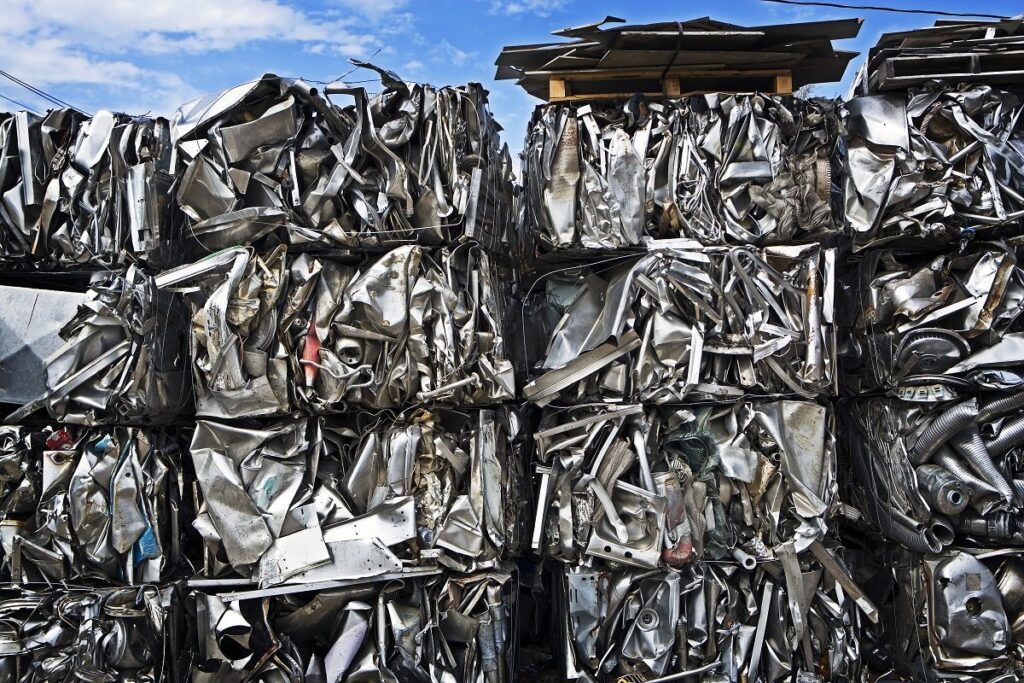
As industries evolve and demand for advanced materials rises, the challenge of efficiently processing and reusing complex metal alloys becomes increasingly important. These materials, often engineered for high performance in aerospace, automotive, and electronics, present unique obstacles for traditional recycling methods. Their intricate compositions, which may include multiple metals and trace elements, require specialized approaches to ensure valuable resources are recovered and environmental impact is minimized.
Addressing these challenges calls for innovative technologies, collaborative industry practices, and a thorough understanding of both the science and logistics behind alloy reclamation. For those seeking to optimize their metalworking operations, it’s also helpful to explore related topics such as best practices for stamping coated steels to reduce waste and improve material flow.
Understanding the Challenges of Alloy Recycling
Unlike pure metals, alloys are blends of two or more elements designed for specific properties such as strength, corrosion resistance, or conductivity. This complexity makes separation and recovery more difficult. For example, superalloys used in jet engines may contain nickel, chromium, cobalt, and other rare elements in precise ratios. When these alloys reach end-of-life, traditional shredding and melting can result in contamination or loss of valuable constituents.
The main obstacles in reclaiming these materials include:
- Heterogeneity: Alloys often contain multiple metals and non-metallic inclusions, complicating sorting and processing.
- Trace Elements: Small amounts of critical elements can be lost or diluted during conventional recycling.
- Coatings and Contaminants: Surface treatments or residual oils may interfere with downstream processes.
- Economic Viability: The cost of advanced separation and purification must be justified by the value of the recovered metals.
Advanced Solutions for Metal Alloy Recovery
To overcome these hurdles, the industry has developed a range of innovative solutions for recycling complex metal alloys. These methods focus on maximizing yield, purity, and sustainability.
1. Physical Separation Techniques
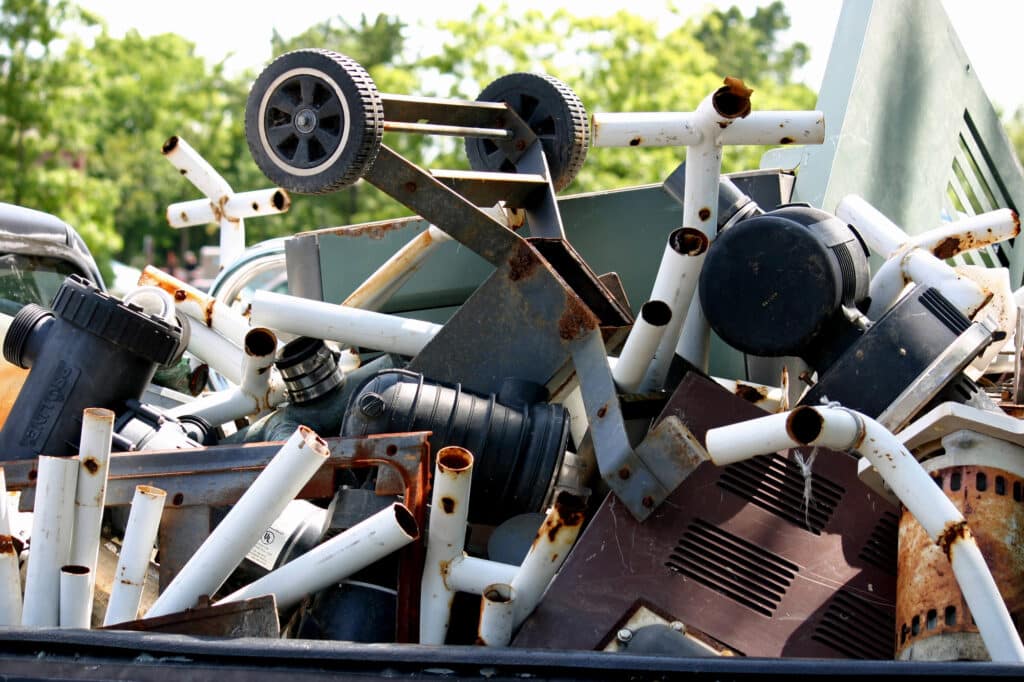
Modern recycling facilities use sophisticated sorting technologies to separate alloys from mixed scrap streams. Some of the most effective methods include:
- Eddy Current Separation: Utilizes magnetic fields to distinguish non-ferrous metals from other materials.
- Sensor-Based Sorting: Employs X-ray fluorescence (XRF), laser-induced breakdown spectroscopy (LIBS), or near-infrared (NIR) sensors to identify alloy composition in real time.
- Density-Based Methods: Exploits differences in material density to separate alloys from lighter or heavier contaminants.
2. Hydrometallurgical Processing
Chemical methods, such as leaching and solvent extraction, are increasingly used to selectively dissolve and recover metals from complex alloys. By carefully controlling pH, temperature, and reagent concentrations, recyclers can target specific elements while minimizing waste.
- Acid Leaching: Dissolves base metals, leaving behind valuable or difficult-to-recover constituents for further processing.
- Solvent Extraction: Separates metals based on their solubility in different chemical phases.
- Precipitation: Recovers metals by converting them into insoluble compounds, which can then be filtered and refined.
3. Pyrometallurgical Approaches
High-temperature processes remain essential for certain alloys, especially those containing refractory metals. Techniques such as vacuum induction melting, plasma arc melting, and selective oxidation help recover metals while reducing contamination.
- Vacuum Melting: Minimizes oxidation and loss of volatile elements during alloy reprocessing.
- Plasma Arc Melting: Enables precise temperature control and rapid processing of high-value alloys.
- Selective Oxidation: Removes unwanted elements by converting them to oxides, which can be separated from the molten metal.
Industry Collaboration and Closed-Loop Recycling
Many manufacturers are moving toward closed-loop recycling systems, where scrap generated during production is returned directly to the supply chain. This approach ensures traceability, maintains alloy integrity, and reduces reliance on primary raw materials. Collaboration between scrap processors, smelters, and end users is key to optimizing these loops.
For example, the aerospace sector often employs buy-back agreements with suppliers, ensuring that high-performance alloy scrap is efficiently reclaimed and reused in new components. This not only conserves resources but also supports compliance with increasingly strict environmental regulations.
Emerging Technologies and Future Directions
The future of recycling advanced metal alloys will likely be shaped by ongoing research and the adoption of digital tools. Artificial intelligence and machine learning are being integrated into sorting lines to improve accuracy and throughput. Blockchain technology is being explored to track material flows and verify recycled content.
Additionally, new chemical and electrochemical methods are under development to target specific alloy systems, such as rare earth magnets and lithium-based materials. These innovations promise to make the recycling of even the most challenging alloys more feasible and cost-effective.
Best Practices for Sustainable Alloy Reuse
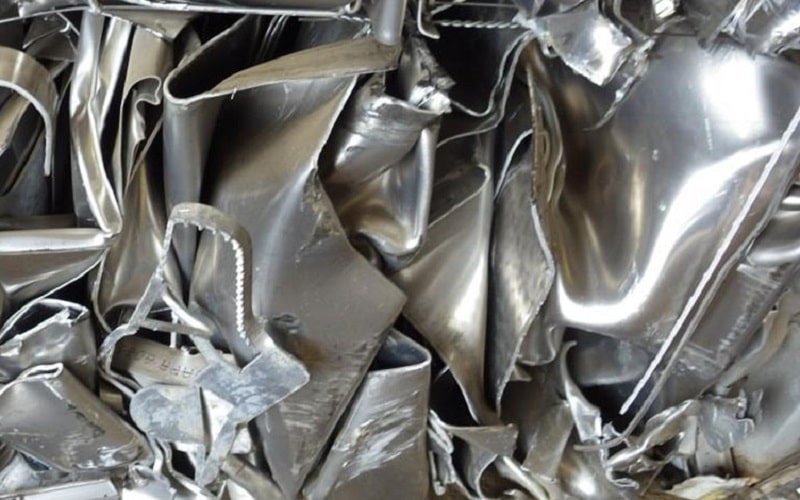
To maximize the benefits of advanced recycling, organizations should implement several best practices:
- Material Identification: Invest in accurate sorting and analysis tools to prevent cross-contamination.
- Process Optimization: Continuously monitor and refine recycling processes to improve yield and reduce energy consumption.
- Supply Chain Integration: Work closely with suppliers and customers to establish reliable take-back and reuse programs.
- Regulatory Compliance: Stay informed about evolving environmental standards and reporting requirements.
- Employee Training: Ensure staff are knowledgeable about safe handling and processing of complex alloys. For more on this, see how to train operators for steel stamping safety.
Environmental and Economic Impact
Efficient recycling of complex alloys conserves natural resources, reduces greenhouse gas emissions, and supports the circular economy. By recovering valuable metals from end-of-life products, industries can reduce their dependence on mining and lower overall production costs. According to this introduction to metal recycling, secondary metal production typically uses less energy and water than primary extraction, further amplifying its environmental benefits.
As demand for high-performance materials grows, the ability to reclaim and reuse them will become a competitive advantage for manufacturers and recyclers alike.
Frequently Asked Questions
What makes recycling complex alloys more difficult than pure metals?
Alloys are engineered blends of multiple elements, often with specific properties and trace additives. This complexity makes it challenging to separate and recover each component without contamination or loss, requiring specialized sorting and processing technologies.
Which industries benefit most from advanced alloy recycling?
Sectors such as aerospace, automotive, electronics, and energy benefit significantly, as they rely on high-performance alloys and generate substantial quantities of valuable scrap. Efficient recycling supports both cost savings and sustainability goals in these industries.
Are there environmental advantages to recycling complex metal alloys?
Yes, reclaiming metals from used alloys reduces the need for mining, lowers energy consumption, and minimizes landfill waste. It also helps conserve critical raw materials and supports a more sustainable, circular economy.