
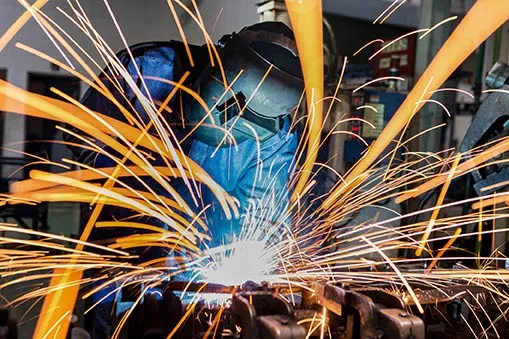
Effective smelting process waste control is a top priority for today’s metal producers. With rising environmental regulations and increasing public scrutiny, modern smelters must adopt advanced strategies to minimize waste, recover valuable materials, and reduce their environmental footprint. This article explores practical methods, technologies, and best practices that help smelting operations achieve these goals while maintaining operational efficiency.
The shift toward sustainable metallurgy is not just about compliance—it’s about long-term competitiveness. By integrating robust waste management systems, smelters can reduce costs, improve resource recovery, and demonstrate environmental responsibility. For those looking to deepen their understanding of sustainability in the metals sector, the industrial sustainability case studies metals resource offers real-world examples of successful initiatives.
Understanding Waste Streams in Smelting Operations
Smelting generates several types of waste, each with unique challenges. The most common waste streams include:
- Slag: A byproduct of separating metal from ore, often containing residual metals and oxides.
- Flue dust: Fine particulate matter collected from exhaust gases, sometimes rich in recoverable metals.
- Spent refractories: Used linings from furnaces that may contain hazardous compounds.
- Wastewater: Water contaminated by process chemicals, heavy metals, or suspended solids.
- Gaseous emissions: Sulfur dioxide, nitrogen oxides, and other pollutants released during high-temperature processing.
Each of these waste streams requires tailored management strategies to ensure compliance and maximize resource recovery.
Key Strategies for Smelting Process Waste Control
Modern smelters employ a combination of process optimization, advanced recovery systems, and environmental controls to manage waste efficiently. Here are some of the most effective approaches:
Process Optimization and Source Reduction
Reducing waste at the source is the most cost-effective strategy. This involves:
- Improving feedstock quality to minimize impurities.
- Optimizing furnace temperatures and reaction times to increase metal yield.
- Implementing continuous monitoring and automation for precise process control.
Such measures not only decrease waste generation but also enhance overall productivity.
Advanced Recovery and Recycling Technologies
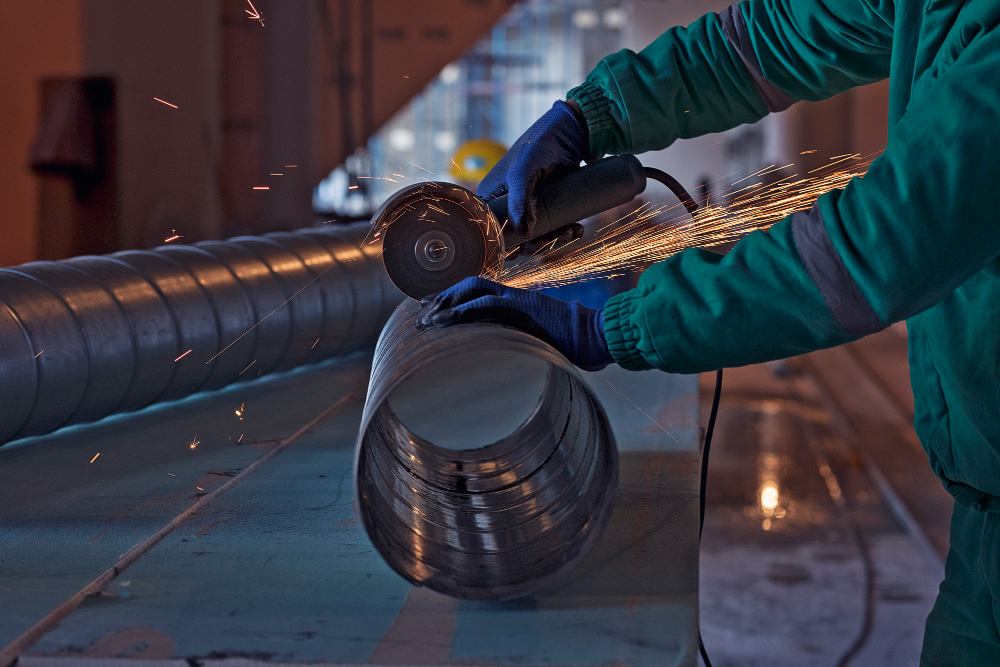
Recovering valuable materials from smelting waste is a win-win for both the environment and the bottom line. Technologies such as:
- Hydrometallurgical leaching to extract metals from slag and dust.
- Mechanical separation and sorting systems for solid waste streams.
- Thermal treatment to convert hazardous residues into stable, reusable forms.
For a deeper look at how facilities are pushing the envelope in this area, see the advanced materials recovery systems overview, which details the latest innovations in metal recovery.
Environmental Controls and Compliance
Meeting regulatory requirements is central to any waste management program. Smelters are investing in:
- State-of-the-art filtration and scrubber systems for air emissions.
- Effluent treatment plants to purify process water before discharge.
- Continuous emissions monitoring to ensure real-time compliance.
These controls not only protect the environment but also help avoid costly fines and reputational damage.
Best Practices for Reducing Environmental Impact
Beyond compliance, leading smelters are adopting holistic approaches to minimize their ecological footprint. Some best practices include:
- Reusing treated process water within the plant to reduce freshwater consumption.
- Utilizing slag as a construction material, reducing landfill needs.
- Implementing circular economy principles to keep materials in use for as long as possible.
For actionable tips, the best practices for metal waste reduction guide provides practical steps that can be adapted to various plant sizes and technologies.
Innovations Shaping the Future of Waste Management in Smelting
The future of smelting process waste control is being shaped by digitalization, automation, and new materials science. Some of the most promising trends include:
- Artificial intelligence for predictive maintenance and process optimization.
- IoT sensors for real-time monitoring of emissions and waste streams.
- Advanced analytics to identify inefficiencies and opportunities for improvement.
- Development of new, less hazardous fluxes and reagents.
For those interested in the cutting edge, the innovations in metal recycling technology article highlights breakthrough technologies that are redefining what’s possible in the industry.
Environmental and Regulatory Considerations
Regulatory frameworks governing smelting waste are becoming increasingly stringent worldwide. Compliance now requires not only meeting emission limits but also demonstrating proactive risk management and transparency. Smelters must stay informed about evolving standards and invest in technologies that support both current and future requirements.
A global perspective on these challenges is provided in this industrial waste management analysis, which examines both the problems and prospects facing heavy industry.
Integrating Sustainability into Smelting Operations
Sustainability is now a core business objective for leading smelters. This involves not only reducing waste but also improving energy efficiency, lowering greenhouse gas emissions, and fostering a culture of continuous improvement. Companies are increasingly expected to publish sustainability reports and engage with stakeholders about their environmental performance.
For a comprehensive overview of how steel producers are meeting these expectations, the environmental responsibility in steel companies guide provides valuable insights and actionable recommendations.
Frequently Asked Questions
What are the main environmental risks associated with smelting waste?
The primary risks include air pollution from gaseous emissions, soil and water contamination from improperly managed slag or wastewater, and the potential for hazardous materials in spent refractories. Effective waste control measures are essential to mitigate these risks and protect surrounding ecosystems.
How can smelters recover valuable materials from waste streams?
Modern recovery systems use a combination of mechanical, chemical, and thermal processes to extract metals from slag, dust, and other byproducts. Hydrometallurgical leaching, flotation, and advanced sorting technologies are commonly used to maximize recovery rates and reduce landfill disposal.
What role does automation play in improving waste management?
Automation enables real-time monitoring, precise process control, and predictive maintenance, all of which help reduce waste generation and improve compliance. Automated systems can quickly detect deviations, optimize resource use, and ensure that environmental controls are functioning as intended.
Conclusion
Effective smelting process waste control is essential for modern metal producers striving for sustainability, regulatory compliance, and operational excellence. By embracing process optimization, advanced recovery technologies, and a culture of continuous improvement, smelters can significantly reduce their environmental impact while unlocking new value from their waste streams.