

As industries worldwide strive to reduce their environmental impact, responsible metal sourcing has become a cornerstone of sustainable manufacturing. Companies in fabrication, machining, and metalworking are increasingly expected to ensure that the raw materials they use are ethically obtained, traceable, and produced with minimal ecological harm. This shift is not only driven by regulatory requirements but also by consumer demand for transparency and sustainability throughout the supply chain.
Adopting ethical sourcing practices in metal procurement helps minimize negative effects on communities and ecosystems, while also supporting long-term business viability. For fabrication professionals, understanding the principles and practical steps of sustainable sourcing is essential for maintaining competitiveness and meeting evolving industry standards.
For those working with coated steels, integrating best practices for stamping coated steels can further enhance both product quality and sustainability outcomes.
Why Ethical Metal Procurement Matters
The extraction and processing of metals can have significant social and environmental consequences. Mining activities may lead to deforestation, water contamination, and disruption of local communities. By prioritizing responsible metal sourcing, manufacturers and fabricators can help mitigate these impacts and contribute to a more sustainable industry.
Key benefits of ethical sourcing include:
- Reduced environmental footprint: Choosing suppliers with strong environmental policies helps lower emissions, conserve resources, and reduce waste.
- Improved supply chain transparency: Traceability ensures that metals are sourced from reputable, certified operations.
- Enhanced brand reputation: Demonstrating a commitment to sustainability builds trust with customers and stakeholders.
- Regulatory compliance: Meeting international standards and local regulations avoids legal risks and potential penalties.
Principles of Sustainable Metal Sourcing
To achieve sustainability in metal fabrication, organizations should follow several guiding principles:
- Traceability: Maintain clear records of a metal’s origin, processing, and transportation. This includes verifying certifications such as ISO 14001 for environmental management or third-party sustainability labels.
- Supplier assessment: Evaluate suppliers based on their environmental, social, and governance (ESG) performance. Look for evidence of responsible mining practices, fair labor conditions, and community engagement.
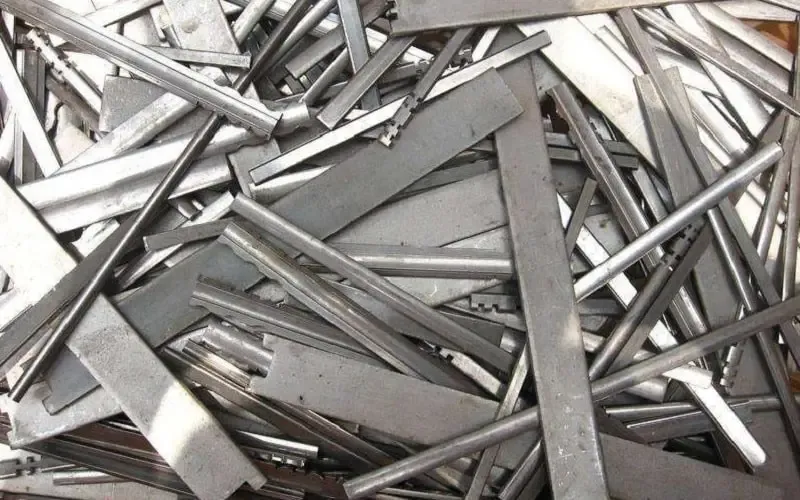
- Material efficiency: Opt for recycled or secondary metals where possible, reducing the need for virgin raw materials and minimizing waste.
- Lifecycle thinking: Consider the full lifecycle of metals, from extraction to end-of-life recycling, to maximize resource efficiency and minimize environmental impact.
Implementing Responsible Metal Sourcing in Fabrication
For fabrication shops and manufacturers, putting sustainable sourcing into practice involves several concrete steps:
- Supplier collaboration: Work closely with suppliers to communicate expectations and verify compliance with sustainability standards. Regular audits and site visits can help ensure ongoing alignment.
- Material selection: Choose metals with lower environmental impact, such as recycled steel or aluminum, and prioritize materials from certified sources.
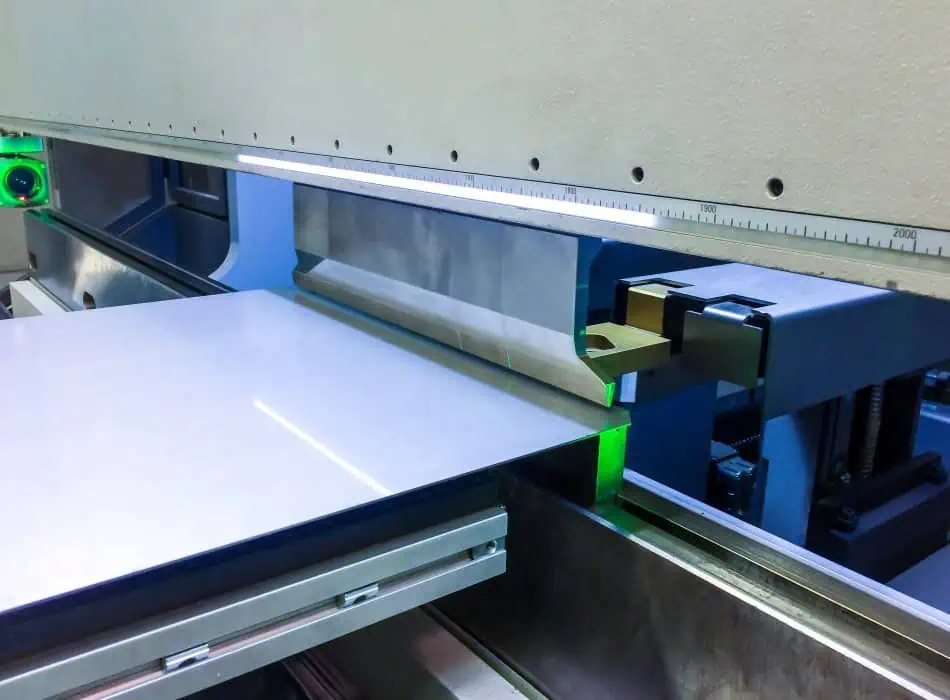
- Process optimization: Adopt efficient fabrication techniques to minimize scrap and energy use. For example, reviewing steel stamping edge quality optimization can help reduce waste and improve part performance.
- Employee training: Educate staff on the importance of sustainable sourcing and responsible handling of materials throughout the fabrication process.
Certifications and Standards for Sustainable Sourcing
Several international standards and certifications support ethical sourcing in the metals industry. These frameworks help companies demonstrate their commitment to sustainability and provide assurance to customers:
- ISO 14001: Focuses on environmental management systems and continuous improvement.
- ResponsibleSteel™: A global standard for responsible sourcing and production of steel, covering environmental, social, and governance criteria.
- Aluminium Stewardship Initiative (ASI): Certification for sustainable aluminum production and sourcing.
- Conflict-Free Sourcing Initiative (CFSI): Ensures metals are not sourced from regions associated with human rights abuses or conflict.
Benefits of Sustainable Practices in Metal Fabrication
Embracing responsible metal sourcing delivers tangible advantages for fabrication businesses:
- Cost savings: Efficient material use and waste reduction lower operational costs over time.
- Market differentiation: Companies that prioritize sustainability can stand out in a crowded market and attract environmentally conscious clients.
- Risk mitigation: Reducing reliance on high-risk suppliers or regions helps protect against supply chain disruptions and reputational damage.
- Long-term viability: Sustainable sourcing supports resource conservation and ensures continued access to critical materials.
For those interested in advanced techniques, exploring innovative sustainable metal fabrication methods can further enhance environmental performance and operational efficiency.
Challenges and Solutions in Ethical Metal Procurement
While the advantages are clear, implementing sustainable sourcing is not without obstacles. Common challenges include:
- Complex supply chains: Tracking the origin of metals can be difficult when dealing with multiple suppliers and intermediaries.
- Limited availability: Sourcing certified or recycled metals may not always be possible for every specification or project.
- Cost considerations: Sustainable materials can sometimes carry a premium, particularly in the early stages of adoption.
Overcoming these challenges requires a proactive approach:
- Invest in supplier relationships: Build long-term partnerships with trusted suppliers who share your sustainability values.
- Leverage technology: Use digital tools and platforms to track material origins and certifications more efficiently.
- Continuous improvement: Regularly review sourcing policies and seek new opportunities to increase recycled content and reduce environmental impact.
Integrating Responsible Sourcing with Fabrication Operations
To maximize the benefits of ethical procurement, companies should integrate sourcing policies with broader operational strategies. This includes aligning sourcing decisions with production planning, quality control, and waste management. For example, reviewing how to manage lubrication runoff in stamping can help reduce environmental risks associated with fabrication processes.
Additionally, staying informed about evolving standards and industry best practices ensures that your business remains compliant and competitive in a rapidly changing landscape.
Frequently Asked Questions
What is responsible metal sourcing and why is it important?
Responsible metal sourcing refers to the practice of obtaining metals in a way that minimizes environmental harm, respects human rights, and ensures traceability throughout the supply chain. It is important because it helps protect ecosystems, supports ethical labor practices, and meets the growing demand for sustainable products.
How can fabrication shops verify the sustainability of their metal suppliers?
Fabrication shops can verify supplier sustainability by requesting certifications such as ISO 14001 or ResponsibleSteel™, conducting regular audits, and requiring documentation on material origin and processing. Building transparent relationships and using digital tracking tools also enhance traceability.
Are there cost benefits to sustainable metal sourcing?
Yes, while there may be initial costs associated with sourcing certified or recycled metals, long-term benefits include reduced waste, improved efficiency, and lower operational expenses. Sustainable practices can also open new market opportunities and strengthen brand reputation.