
Improving resource efficiency in metal production is a top priority for manufacturers and sustainability leaders worldwide. As demand for metals continues to rise, companies face increasing pressure to reduce waste, lower energy consumption, and minimize environmental impact while maintaining profitability. Adopting effective strategies for optimizing resource use not only helps businesses comply with regulations but also enhances competitiveness and long-term viability.
This article explores proven methods to boost resource utilization, highlights the latest innovations, and provides actionable insights for plant managers, engineers, and decision-makers. For those interested in advanced solutions, consider exploring advanced materials recovery systems that can further enhance operational efficiency and sustainability in metal manufacturing.
Understanding Resource Optimization in Metal Manufacturing
Resource optimization refers to the systematic approach of maximizing the value derived from raw materials, energy, and water during metal processing. This involves reducing material losses, reusing by-products, and implementing technologies that increase yield. The benefits of such measures include cost savings, reduced carbon footprint, and improved regulatory compliance.
Key drivers for improving efficiency include:
- Rising raw material and energy costs
- Stringent environmental regulations
- Growing customer demand for sustainable products
- Corporate social responsibility commitments
By focusing on smarter use of resources, companies can create a more resilient and sustainable production environment.
Key Strategies for Enhancing Resource Efficiency
There are several practical strategies that metal producers can implement to optimize resource use throughout the production cycle. These approaches range from process improvements to advanced recycling and digitalization.
1. Process Optimization and Lean Manufacturing
Adopting lean manufacturing principles helps eliminate waste and streamline operations. This includes:
- Continuous monitoring of material flows
- Identifying and addressing bottlenecks
- Standardizing procedures to minimize errors
- Implementing just-in-time inventory systems
Lean practices not only reduce material waste but also improve energy efficiency and product quality.
2. Advanced Recycling and By-Product Utilization
Recycling scrap metal and reusing by-products are among the most effective ways to conserve resources. Modern plants are investing in technologies that enable:
- Efficient separation and recovery of valuable metals from waste streams
- On-site treatment of slag and dust for reuse in production
- Integration of closed-loop recycling systems
For a deeper dive into industry examples, see these industrial sustainability case studies metals that showcase real-world results from leading manufacturers.
Additionally, collaborating with specialized recycling partners can help companies recover more materials and reduce landfill disposal. For more information on industrial recycling, refer to this comprehensive guide to industrial materials recycling.
3. Digitalization and Smart Manufacturing
Digital transformation is revolutionizing the way resources are managed in metal production. Key technologies include:
- Real-time data analytics for monitoring energy and material usage
- Predictive maintenance to reduce downtime and equipment failures
- Automated process controls for consistent quality and minimal waste
By leveraging Industry 4.0 tools, manufacturers can make data-driven decisions that lead to significant resource savings and improved process reliability.
Innovations Driving Sustainable Metal Processing
Emerging technologies are playing a critical role in advancing resource conservation in the metals sector. Some notable innovations include:
- High-efficiency furnaces and heat recovery systems
- Electrochemical and hydrometallurgical extraction methods
- AI-powered process optimization platforms
- Automated scrap sorting and grading equipment
To stay ahead, companies should monitor innovations in metal recycling technology that are shaping the future of the industry. Adopting these solutions can help reduce energy consumption, cut emissions, and maximize material recovery.
Best Practices for Reducing Waste and Improving Yield
Implementing best practices is essential for minimizing losses and maximizing output. Some effective measures include:
- Regular auditing of material flows and waste streams
- Employee training on efficient handling and processing
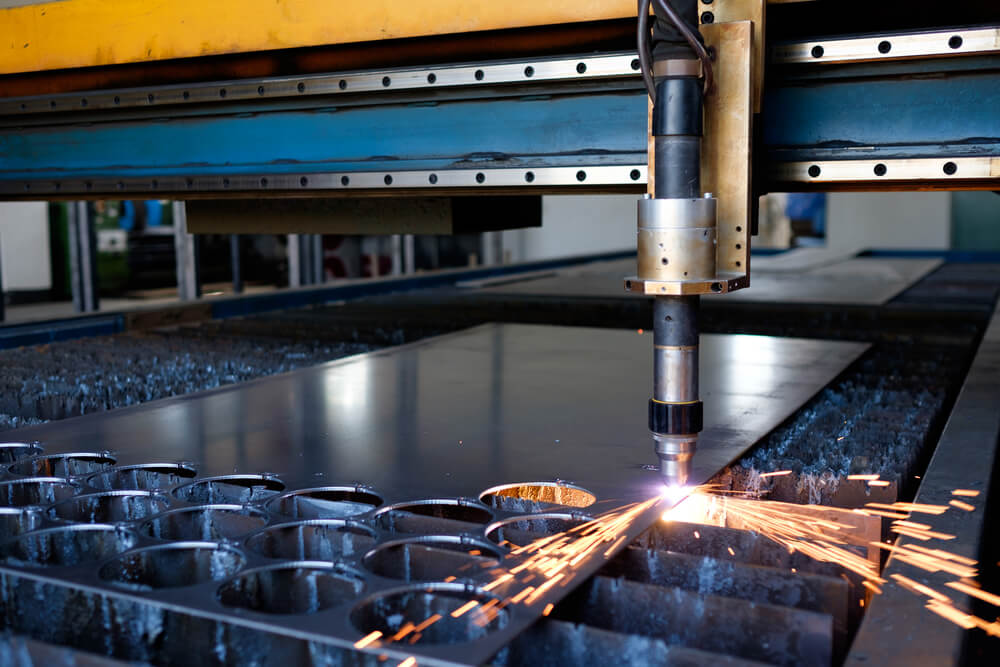
- Investing in precision cutting and forming equipment
- Establishing clear targets for scrap reduction
For actionable recommendations, review these best practices for metal waste reduction that have delivered measurable results in various production settings.
Environmental and Economic Benefits
Enhancing resource efficiency delivers both environmental and financial rewards. Key advantages include:
- Lower greenhouse gas emissions and reduced environmental impact
- Decreased operational costs through material and energy savings
- Improved compliance with environmental standards
- Enhanced reputation among customers and stakeholders
Companies that prioritize sustainable practices are better positioned to meet future regulatory requirements and market expectations. For further reading, the environmental responsibility in steel companies guide provides additional insights on aligning business goals with environmental stewardship.
Frequently Asked Questions
What are the main challenges in improving resource efficiency in metal production?
The most common challenges include high initial investment costs for new technologies, resistance to change within organizations, and the complexity of integrating advanced systems into existing operations. Additionally, fluctuating market prices for raw materials can impact the business case for certain efficiency measures.
How can digital tools help optimize resource use in metal manufacturing?
Digital tools such as real-time monitoring, predictive analytics, and automated controls enable manufacturers to track resource consumption, identify inefficiencies, and make informed decisions. These technologies facilitate rapid adjustments to processes, helping to minimize waste and maximize output.
What role does recycling play in sustainable metal production?
Recycling is a cornerstone of sustainable metal manufacturing. By recovering and reusing scrap and by-products, companies can significantly reduce the need for virgin materials, lower energy consumption, and decrease environmental impact. Advanced recycling systems also help capture valuable metals that might otherwise be lost.
Conclusion
Optimizing resource efficiency in metal production is essential for building a sustainable and profitable future in the metals industry. By adopting process improvements, leveraging digital technologies, and embracing innovative recycling solutions, manufacturers can reduce waste, save costs, and minimize their environmental footprint. Staying informed about the latest trends and best practices ensures that companies remain competitive while contributing to a more sustainable world.