
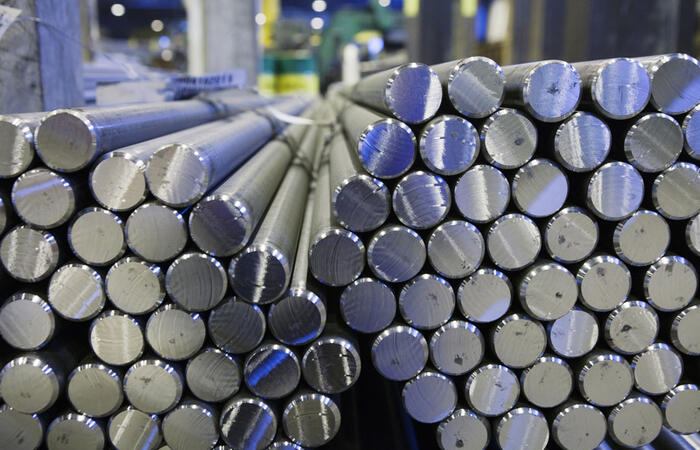
Recycling stainless steel plays a crucial role in modern industry and environmental protection. As a highly durable and versatile alloy, stainless steel is found in everything from kitchen appliances and medical equipment to construction materials and transportation infrastructure. Its unique composition—primarily iron, chromium, and nickel—makes it especially valuable for reuse. By efficiently reclaiming and processing this material, industries can conserve resources, reduce energy consumption, and minimize landfill waste.
This article explores the main techniques used to recover and process stainless steel, the advantages of reusing this alloy, and practical steps for individuals and businesses to participate in the process. Whether you are interested in the environmental impact, economic incentives, or the technical aspects of reclaiming metals, understanding how stainless steel is recycled can help you make informed decisions and contribute to a more sustainable future.
For a broader look at how different metals are processed, see our guide on steps in metal recycling.
Understanding the Stainless Steel Recycling Process
The journey of reclaiming stainless steel begins with the collection and sorting of scrap materials. Stainless steel scrap is generated from a variety of sources, including manufacturing offcuts, end-of-life consumer goods, and industrial equipment. The process is designed to maximize the recovery of valuable alloying elements while ensuring the final product meets strict quality standards.
- Collection: Scrap is gathered from factories, demolition sites, and recycling centers.
- Sorting: Materials are separated by type and grade, often using magnets and advanced sensors to distinguish stainless steel from other metals. For more on this, visit our article on how metals are sorted for recycling.
- Processing: The sorted scrap is cleaned and sometimes shredded to facilitate melting.
- Melting: The material is melted in an electric arc furnace, where impurities are removed and alloying elements are adjusted as needed.
- Refining and Casting: The molten steel is refined further and cast into new shapes for manufacturing.
These steps ensure that recycled stainless steel retains its original properties, making it suitable for demanding applications.

Key Methods for Reclaiming Stainless Steel
Several techniques are used to recover and process stainless steel scrap efficiently. The choice of method depends on the source and quality of the scrap, as well as the intended use of the recycled material.
Manual and Automated Sorting
Sorting is a critical step in the recycling process. Manual sorting involves workers visually identifying and separating different grades of scrap, while automated systems use magnets, eddy current separators, and optical sensors. These technologies help ensure that only high-quality stainless steel enters the melting phase.
Shredding and Size Reduction
Large pieces of scrap are often shredded into smaller fragments to increase surface area and improve melting efficiency. Specialized machines, such as industrial shredders, are used for this purpose. Investing in the right equipment can streamline the process for businesses handling significant volumes of metal waste.
Melting and Refining
Once sorted and cleaned, the scrap is melted in electric arc furnaces. During this stage, impurities are removed, and the chemical composition is carefully controlled. Additional alloying elements may be added to achieve the desired properties. The refined molten steel is then cast into billets, slabs, or other forms for further manufacturing.
For further details on the transformation from scrap to finished products, see our article on how recycled steel is made.

Major Benefits of Stainless Steel Reuse
The advantages of reclaiming stainless steel extend beyond environmental considerations. Below are some of the most significant benefits:
- Resource Conservation: Reusing stainless steel preserves natural resources by reducing the demand for virgin iron ore, chromium, and nickel.
- Energy Savings: Melting scrap requires significantly less energy than producing new steel from raw materials. According to industry estimates, energy savings can reach up to 70%.
- Reduced Emissions: Lower energy consumption translates to fewer greenhouse gas emissions and a smaller carbon footprint.
- Economic Value: Stainless steel retains much of its value through multiple life cycles, providing cost savings for manufacturers and recyclers alike.
- Waste Reduction: Diverting scrap from landfills helps minimize environmental pollution and the burden on waste management systems.
For more insights into the positive effects on the planet, explore our resource on the environmental impact of metal recycling.
How to Participate in Stainless Steel Recycling
Both individuals and businesses can contribute to the efficient recovery of stainless steel. Here are some practical steps:
- Identify and separate stainless steel items from other waste streams. Common household sources include cutlery, sinks, and appliances.
- Bring scrap to certified recycling centers or metal dealers. Many facilities offer compensation based on weight and grade.
- For larger operations, invest in equipment such as shredders or sorting systems to streamline processing. You can find suitable machines online or through industrial suppliers.
- Stay informed about local regulations and best practices to ensure compliance and maximize recovery rates.
If you are interested in how other metals are reclaimed, our guide on how aluminum is recycled offers a detailed look at the process for aluminum products.
Industry Trends and Future Outlook
The demand for sustainable materials continues to grow, and stainless steel is at the forefront due to its recyclability and performance. Advances in sorting technologies, automation, and process optimization are making it easier and more cost-effective to reclaim this alloy. As industries and governments set higher targets for recycled content and circular economy initiatives, the role of stainless steel recycling will only increase.
For a comprehensive introduction to the broader field, see this introduction to metal recycling.
Frequently Asked Questions
What types of stainless steel can be recycled?
Virtually all grades of stainless steel can be reclaimed, including austenitic, ferritic, and martensitic types. The process may vary slightly depending on the alloy composition, but modern facilities are equipped to handle a wide range of materials.
How does recycling stainless steel benefit the environment?
Reusing stainless steel conserves natural resources, reduces energy consumption, and lowers greenhouse gas emissions. It also helps divert waste from landfills, supporting a more sustainable and circular economy.
Can individuals recycle stainless steel at home?
While most people do not have the equipment to process stainless steel themselves, they can collect and deliver scrap to local recycling centers. Many facilities accept household items and offer compensation based on the weight and quality of the material.