
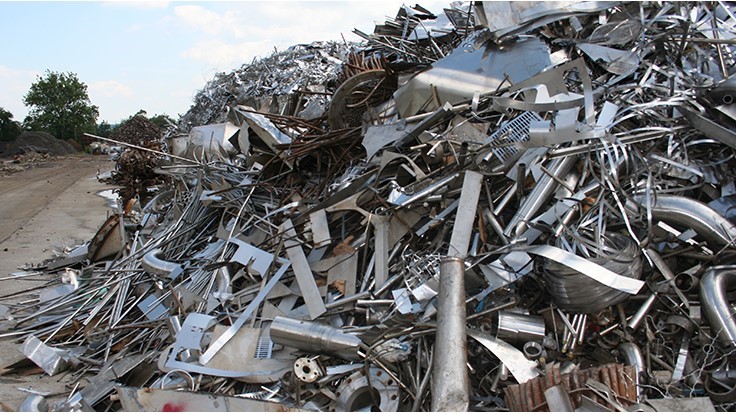
Aluminum is one of the most widely recycled materials in the world, valued for its ability to be reused without losing quality. Understanding how aluminum is recycled helps highlight the environmental and economic benefits of this process. From beverage cans to automotive parts, recycled aluminum finds its way into countless new products, reducing the need for raw material extraction and saving significant amounts of energy.
The journey from discarded aluminum items to finished goods involves several carefully managed steps. Each stage, from collection to remanufacturing, plays a crucial role in ensuring that aluminum retains its value and utility. For a broader perspective on how different metals are processed, the metal recycling process explained article offers a detailed overview.
The Importance of Recycling Aluminum
Recycling aluminum offers substantial advantages over producing new aluminum from raw ore. The process uses up to 95% less energy compared to primary production, drastically reducing greenhouse gas emissions. Additionally, aluminum can be recycled repeatedly without any loss in its physical properties, making it a truly sustainable material.
The environmental impact of recycling extends beyond energy savings. By diverting aluminum from landfills, recycling conserves natural resources and reduces the ecological footprint of manufacturing. For industries focused on sustainability, understanding the importance of metal recycling in industry is essential for meeting environmental goals.
Collection and Sorting: The First Step in Aluminum Recycling
The initial phase in how aluminum is recycled involves collecting used aluminum products from households, businesses, and industrial sources. Common items include beverage cans, foil, window frames, and automotive parts. Once collected, these materials are transported to recycling facilities where they are sorted to separate aluminum from other metals and contaminants.
Sorting is typically performed using magnets, eddy current separators, and manual inspection. This step ensures that only clean, uncontaminated aluminum enters the recycling stream, which is crucial for maintaining the quality of the final product. Proper sorting also helps maximize the efficiency of the subsequent processing steps.
Shredding and Cleaning: Preparing Aluminum for Melting
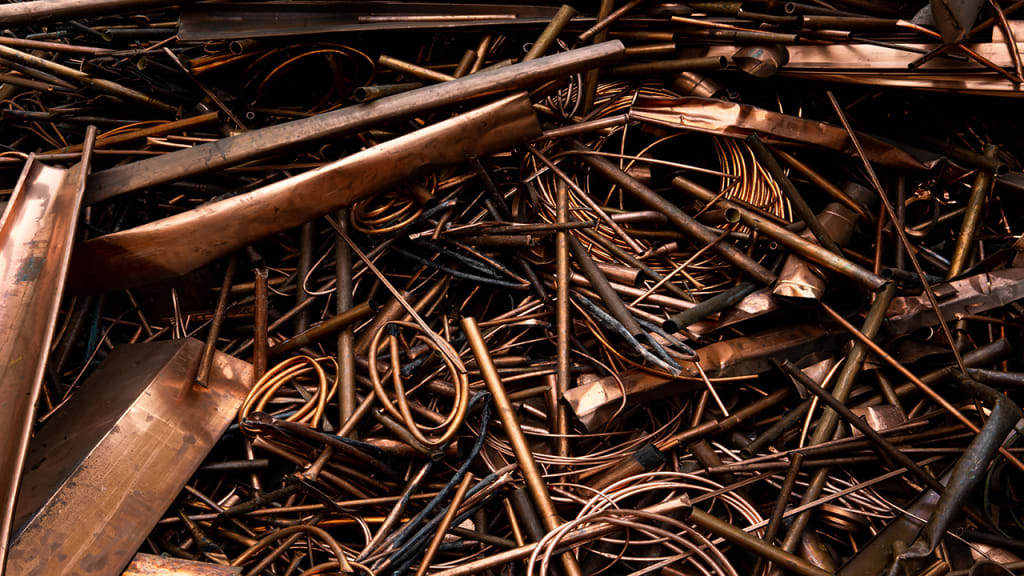
After sorting, the aluminum scrap is fed into shredders, which break it down into smaller pieces. Shredding increases the surface area of the metal, making it easier to remove coatings, paints, and other impurities. The shredded material is then cleaned using a combination of air classification, washing, and chemical treatments to eliminate any remaining contaminants.
Clean, shredded aluminum is essential for producing high-quality recycled products. Removing impurities at this stage prevents defects in the final material and ensures that the recycled aluminum meets industry standards. For a closer look at how scrap metals are prepared for reuse, see the article on how scrap metal is processed.
Melting and Refining: Transforming Scrap into Usable Metal
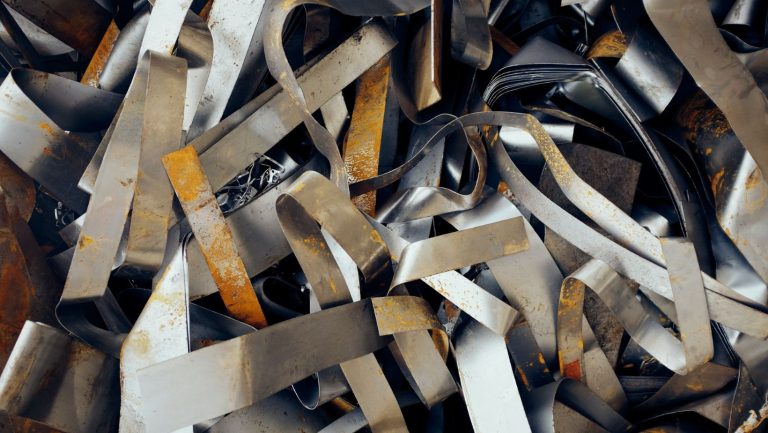
Once cleaned, the shredded aluminum is loaded into large rotary or reverberatory furnaces and heated to around 660°C (1220°F), the melting point of aluminum. During this process, fluxing agents may be added to remove any remaining impurities and to help separate the aluminum from other materials.
The molten aluminum is then transferred to holding furnaces where it is further refined. This stage may involve additional filtering and degassing to ensure the metal is as pure as possible. The refined aluminum is cast into large blocks called ingots or billets, which serve as the raw material for manufacturing new products.
Manufacturing New Products from Recycled Aluminum
The ingots produced from recycled aluminum are transported to rolling mills, extrusion plants, or foundries, depending on their intended use. Here, the metal is processed into sheets, rods, or other shapes required for various industries. Recycled aluminum is commonly used in the production of beverage cans, automotive components, building materials, and even electronics.
The versatility of recycled aluminum makes it a preferred choice for manufacturers seeking to reduce their environmental impact. For more details on how recycled metals are used in different sectors, the article on how recycled metal is used in manufacturing provides valuable insights.
Comparing Recycled and Virgin Aluminum
One of the key advantages of recycling aluminum is that the end product is virtually indistinguishable from aluminum made from raw ore. Both types of aluminum offer the same strength, flexibility, and corrosion resistance. However, recycled aluminum requires far less energy and generates fewer emissions during production.
Understanding the difference between recycled and virgin metal can help businesses and consumers make more informed choices when selecting materials for their projects.
Environmental and Economic Benefits of Aluminum Recycling
The environmental benefits of recycling aluminum are significant. By reusing existing materials, the demand for bauxite mining is reduced, preserving natural habitats and minimizing soil and water pollution. The energy savings achieved through recycling also translate into lower production costs, making recycled aluminum an economically attractive option for manufacturers.
In addition to environmental gains, recycling supports local economies by creating jobs in collection, processing, and manufacturing. The closed-loop nature of aluminum recycling ensures that valuable resources remain in use for as long as possible.
Industry Standards and Best Practices
The process of recycling aluminum is governed by strict industry standards to ensure product quality and safety. Facilities must adhere to guidelines for sorting, cleaning, melting, and casting to produce high-grade recycled metal. Continuous improvements in technology and best practices help increase recovery rates and reduce waste.
For those interested in the technical aspects of recycling various metals, the overview of metal types and their recycling process provides a comprehensive look at industry methods and innovations.
Frequently Asked Questions
Can Aluminum Be Recycled Indefinitely?
Yes, aluminum can be recycled repeatedly without any loss in quality. This makes it one of the most sustainable materials available for manufacturing.
What Are the Main Products Made from Recycled Aluminum?
Recycled aluminum is used to produce beverage cans, automotive parts, construction materials, electrical wiring, and many household items. Its versatility and durability make it a popular choice across industries.
How Does Recycling Aluminum Save Energy?
Recycling aluminum uses up to 95% less energy compared to producing new aluminum from raw ore. This significant energy saving results in lower greenhouse gas emissions and reduced production costs.