
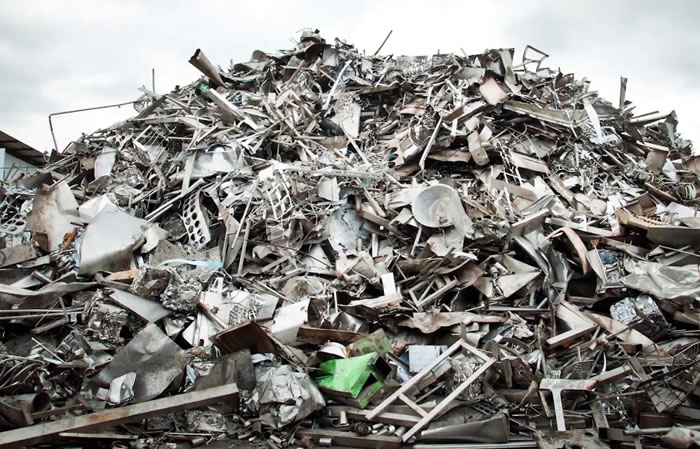
Copper is one of the most valuable and widely recycled metals in the world. Its ability to retain quality through multiple cycles makes it a prime candidate for sustainable manufacturing. Understanding the recycled copper process not only highlights the environmental benefits but also reveals the technical steps involved in transforming discarded copper into a pure, reusable resource.
This article will walk through each stage of copper recycling, from collection to purification. Along the way, you’ll discover how copper scrap is sorted, processed, and refined, ensuring that recycled material meets the same standards as newly mined copper. If you’re interested in broader metal recycling practices, you can also explore the steps in metal recycling for a comprehensive overview of the industry.
Why Copper Recycling Matters
The demand for copper continues to grow due to its essential role in electrical wiring, electronics, plumbing, and renewable energy systems. Mining new copper ore is energy-intensive and can have significant environmental impacts. By reusing copper from discarded products and industrial waste, we reduce the need for new mining, conserve natural resources, and minimize greenhouse gas emissions.
According to industry experts, recycled copper accounts for a substantial portion of global copper use. This not only supports sustainability but also provides economic benefits, as recycling copper is often more cost-effective than extracting and processing virgin ore.
Collection and Sorting of Copper Scrap
The journey of recycled copper begins with the collection of scrap material. Sources include old electrical wires, plumbing pipes, industrial machinery, and even consumer electronics. Scrap yards and recycling centers play a critical role in gathering and sorting these materials.
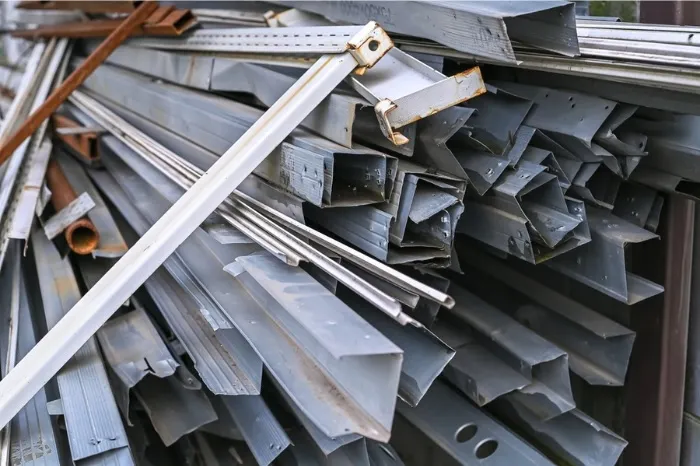
Sorting is a crucial step in the recycled copper process. Copper must be separated from other metals and contaminants to ensure high-quality output. Manual sorting, magnet-based separation, and advanced sensor-based technologies are commonly used. For more details on these methods, see our guide on how metals are sorted for recycling.
Processing and Shredding
Once sorted, copper scrap undergoes processing to prepare it for melting. This often involves shredding large pieces into smaller fragments. Shredding increases the surface area, making it easier to remove impurities and ensuring even melting in the furnace.
Some facilities use specialized machines to strip insulation from copper wires or to separate copper from composite materials. The goal is to maximize the amount of pure copper recovered while minimizing waste.
Melting and Refining: Achieving Purity
The next phase in the copper recycling process is melting. Copper scrap is loaded into a furnace and heated to temperatures exceeding 1,000°C (1,832°F). During this stage, fluxes may be added to bind with impurities, which rise to the surface and are removed as slag.
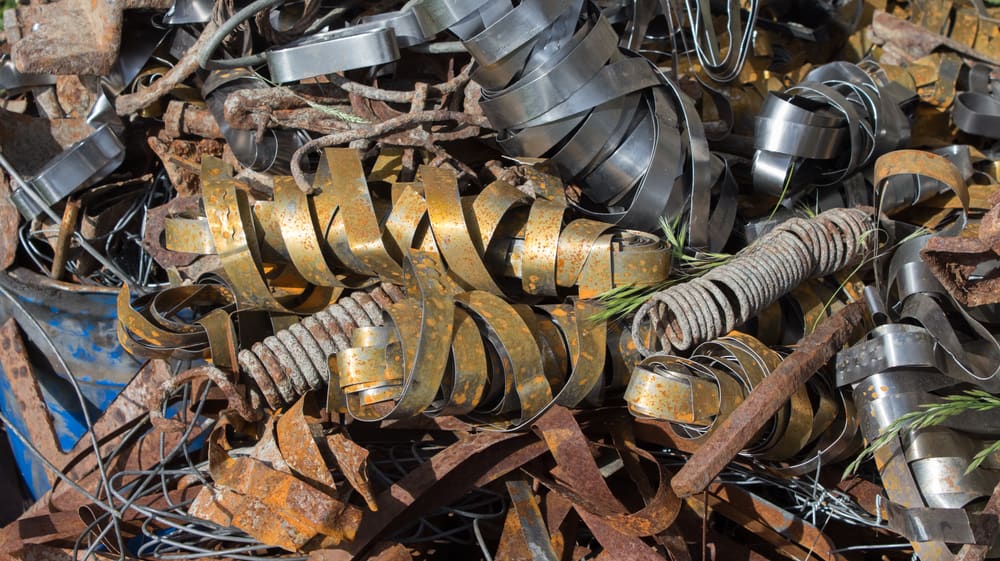
After melting, the molten copper is cast into shapes such as rods, billets, or ingots. For applications requiring extremely high purity, an additional refining step called electrolysis is used. In this process, impure copper acts as the anode in an electrolytic cell, and pure copper is deposited onto a cathode, leaving impurities behind.
Environmental and Economic Benefits of Copper Recycling
Recycling copper offers significant environmental advantages. It uses up to 85% less energy compared to primary production from ore, drastically reducing carbon emissions and conserving water. Additionally, recycling helps divert waste from landfills and reduces the environmental footprint of mining operations.
On the economic side, the recycled copper process supports a robust market for scrap dealers, recyclers, and manufacturers. It also stabilizes copper prices by supplementing supply, especially in times of high demand. For a broader look at how metal recycling impacts the environment, see our article on the environmental impact of metal recycling.
Common Products Made from Recycled Copper
Copper recovered through recycling is virtually indistinguishable from newly mined copper. It is used in a wide range of products, including:
- Electrical wiring and cables
- Plumbing pipes and fittings
- Automotive components
- Industrial machinery
- Consumer electronics
- Renewable energy systems (solar panels, wind turbines)
For more information on other commonly recycled non-ferrous metals, check out this overview of non-ferrous metal recycling.
Challenges and Innovations in Copper Recycling
While the recycled copper process is efficient, it does face challenges. Contamination from other metals, plastics, or coatings can lower the quality of recycled copper. Advances in sorting technology, such as automated sensors and improved shredding equipment, are helping to address these issues.
Industry leaders are also exploring new methods to recover copper from complex products, such as electronic waste. These innovations are vital for meeting the growing demand for copper in a sustainable way.
Frequently Asked Questions
What types of copper scrap are most valuable for recycling?
Clean, unalloyed copper such as bare bright wire and #1 copper tubing are typically the most valuable. These materials require less processing and yield higher purity after recycling.
How does recycled copper compare to newly mined copper in quality?
Recycled copper is virtually identical in quality to newly mined copper. The refining steps ensure that impurities are removed, making recycled copper suitable for all standard applications.
Can copper be recycled indefinitely?
Yes, copper can be recycled repeatedly without losing its physical or chemical properties. This makes it a highly sustainable material for long-term use.
Conclusion
The journey from scrap to pure copper highlights the efficiency and sustainability of modern recycling methods. By collecting, sorting, processing, and refining copper scrap, the industry produces high-quality material that supports countless applications while reducing environmental impact. As technology advances, the recycled copper process will continue to play a crucial role in resource conservation and sustainable manufacturing.
Interested in how other metals are recycled? Learn more about how aluminum is recycled or explore the techniques behind how recycled steel is made for a deeper understanding of metal recovery.