
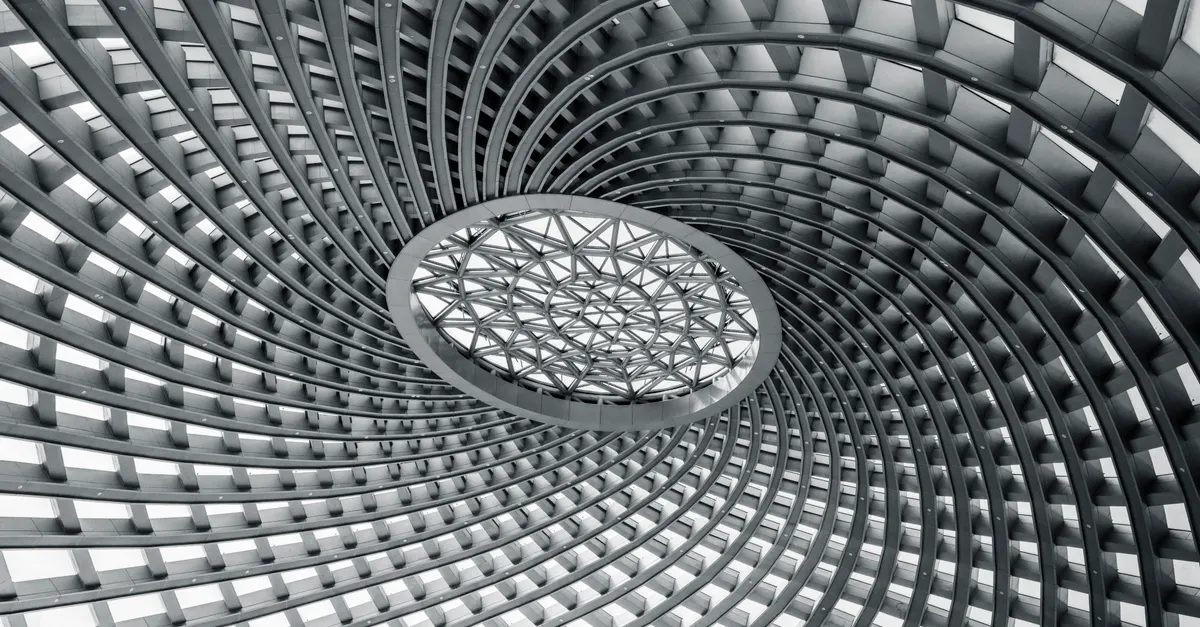
Metal shaping stands at the heart of modern manufacturing and creative engineering, enabling designers and engineers to transform raw materials into functional and visually striking components. As industries push the boundaries of what’s possible, understanding metal shaping techniques for innovative designs becomes essential—not just for achieving unique aesthetics, but for meeting strict performance, safety, and sustainability requirements. This guide explores the most effective methods, their applications, and how to approach them safely, highlighting when to seek professional expertise.

Understanding Metal Shaping and Its Role in Design
At its core, metal shaping refers to the processes used to alter the form of metal workpieces to achieve specific geometries, tolerances, or surface finishes. These methods range from traditional hammering and bending to advanced techniques like laser cutting and CNC machining. The importance of metal shaping in innovative design lies in its ability to turn creative concepts into tangible products, supporting industries from aerospace to consumer electronics. However, due to the physical risks involved—such as sharp edges, high temperatures, and powerful machinery—safe inspection and professional oversight are always recommended before attempting any hands-on work.
Key Metal Shaping Techniques for Innovative Designs
Modern manufacturing relies on a diverse set of methods to achieve precise, efficient, and creative results. Here’s an overview of the most impactful techniques:
- Laser Cutting: Using focused laser beams, this method slices through metal sheets with exceptional precision and minimal material waste. According to laser cutting applications, laser cutting is widely used in automotive and aerospace sectors for intricate patterns and tight tolerances.
- CNC Machining: Computer Numerical Control (CNC) machines automate cutting, drilling, and shaping, enabling the production of complex components with high repeatability. This method is crucial for parts where accuracy is paramount, such as in electronics housings or medical devices.
- Robotic Welding: Robots perform welding tasks with consistent quality, increasing safety and throughput in large-scale fabrication.
- Press Brake Forming: This technique uses a press brake to bend sheet metal into precise angles, essential for enclosures and brackets.
- Roll Forming: Metal passes through a series of rollers to achieve continuous bends, ideal for producing long, uniform profiles like rails or frames.
- Hydroforming: High-pressure fluids shape metal into complex, lightweight forms, commonly used in automotive and aerospace applications.
- Chemical Etching: A controlled chemical process removes material to create detailed, burr-free components, especially useful for thin metals and intricate designs.
Each of these methods offers unique benefits and is chosen based on the specific requirements of the project, such as material type, desired geometry, and production volume.
Industry Applications: Where Metal Shaping Drives Innovation
The impact of advanced metal shaping extends across numerous sectors, each leveraging these methods to solve unique design challenges:
- Automotive: Techniques like laser cutting and hydroforming enable the creation of lightweight, high-strength components for improved fuel efficiency and safety.
- Aerospace: Precision forming and CNC machining produce complex, high-tolerance parts critical for aircraft performance and reliability.
- Electronics: Chemical etching and CNC machining allow for the miniaturization of components, supporting the trend toward smaller, more powerful devices.
- Architecture: Creative use of press brake and roll forming results in visually striking facades and structural elements.
These examples illustrate how metal shaping techniques for innovative designs enable breakthroughs in both function and form. For readers interested in creative applications, exploring metal shaping techniques for creative projects can provide further inspiration.
Comparing Techniques: Advantages and Limitations
Choosing the right method depends on balancing design goals, safety, cost, and manufacturability. Here’s how some of the most common techniques compare:
Laser Cutting
Pros:
- High precision and clean edges
- Minimal material waste
- Suitable for complex patterns
Cons:
- Limited to certain thicknesses
- Requires specialized equipment and safety measures
CNC Machining
Pros:
- Unmatched accuracy and repeatability
- Handles a wide range of metals and geometries
- Automated for consistent results
Cons:
- High initial setup and programming time
- Potentially slower for large-volume, simple parts
Chemical Etching
Pros:
- Enables highly detailed, burr-free designs
- Ideal for thin metals and intricate features
- No mechanical stress on the material
Cons:
- Limited by material type and thickness
- Requires careful handling of chemicals and waste
Press Brake, Roll Forming, and Hydroforming
Pros:
- Efficient for producing consistent shapes in volume
- Supports both simple and complex geometries
- Hydroforming produces lightweight, strong parts
Cons:
- Tooling costs can be high for custom shapes
- Not all methods are suitable for every metal or thickness
It’s important to conduct a safe preliminary inspection of any metal shaping setup, ensuring that all protective gloves, safety goggles, and necessary barriers are in place. For complex or high-risk operations, always consult a professional fabricator.
Technological Innovations Shaping the Future
Recent years have seen significant advances in metal shaping, driven by automation, digital design, and material science. According to industry sources, combining robotics with traditional methods—such as robotic welding and automated press brakes—has improved both safety and efficiency. Computer-aided design (CAD) and simulation tools allow engineers to test and refine shapes before production, reducing errors and material waste.
Emerging technologies like additive manufacturing (metal 3D printing) are also beginning to complement traditional shaping, enabling the creation of geometries that were previously impossible. These innovations not only expand design possibilities but also enhance workplace safety by reducing manual intervention.
As these technologies evolve, the role of skilled professionals becomes even more critical. They ensure that new tools are used safely and effectively, and that every project meets both creative and regulatory standards.

Conclusion: Evolving Approaches for Tomorrow’s Designs
The landscape of metal shaping continues to evolve, offering designers and engineers a growing toolkit for tackling complex challenges. By understanding the strengths and limitations of each technique—and prioritizing safety at every stage—organizations can unlock new levels of innovation across industries. As automation and digital tools become more integrated, the future promises even greater opportunities for creative, efficient, and safe design solutions.
Frequently Asked Questions
What are the safest ways to approach metal shaping for design projects?
Always begin with a thorough inspection of equipment and materials. Use appropriate metalworking safety gear and never operate machinery without proper training. For advanced or high-risk techniques, consult a professional fabricator.
How do I choose the right metal shaping technique for my project?
Consider the material type, desired geometry, production volume, and safety requirements. Compare the advantages and limitations of each method as outlined above, and seek expert advice for complex or critical applications.
Can modern metal shaping methods be used for sustainable or cost-effective designs?
Yes, many advanced techniques—such as laser cutting and CNC machining—reduce material waste and improve efficiency. For more on this topic, see resources on metal shaping techniques for sustainable practices and cost reduction.