
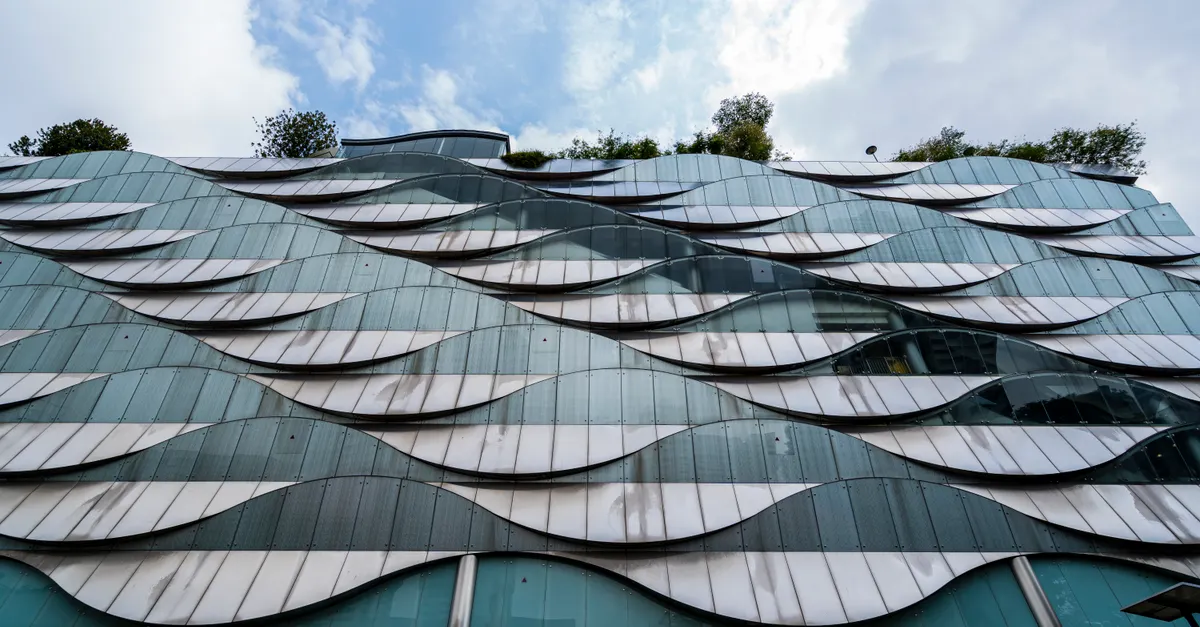
Sustainable building practices are rapidly transforming the way cities and communities are designed. As environmental concerns become more urgent, architects and developers are adopting innovative strategies to reduce the ecological footprint of buildings while enhancing comfort and well-being. This article explores the most significant green architecture trends shaping the industry today, from nature-inspired design to the integration of advanced technologies. Whether you’re a professional in the field or simply interested in eco-friendly living, understanding these developments can help you appreciate the future of sustainable spaces.

Understanding Sustainable Building Approaches
At its core, green architecture refers to the practice of designing and constructing buildings that prioritize environmental responsibility and resource efficiency. This approach considers the entire lifecycle of a structure—from site selection and material sourcing to energy use and eventual deconstruction. The goal is to minimize negative impacts on the environment while creating healthy, productive spaces for occupants. As climate change and resource scarcity become more pressing, these principles are increasingly central to modern design.
Green Roofs and Living Walls: Nature on the Skyline
One of the most visible green architecture trends is the resurgence of green roofs and living walls. These features are not only visually striking but also offer substantial environmental benefits. According to established editorial sources, green roofs and living walls help reduce the urban heat island effect, improve air quality, and provide natural insulation for buildings.
Green roofs, which involve growing vegetation on rooftops, act as natural barriers against heat and cold, reducing the need for artificial heating and cooling. This leads to lower energy consumption and utility costs. Living walls, or vertical gardens, bring greenery to building exteriors and interiors, filtering pollutants from the air and creating a more pleasant microclimate. Together, these elements support biodiversity in urban environments and offer opportunities for urban agriculture, such as growing herbs or small vegetables in modular planter systems.
Beyond their ecological impact, these features can enhance property value and occupant well-being. Many cities are now encouraging or even mandating the use of green roofs and living walls in new developments, recognizing their role in creating more resilient urban landscapes. For those interested in materials that support these systems, exploring lightweight metals in green architecture can offer insights into structural innovations that make green roofs more feasible and durable.
Biophilic Design: Bringing the Outdoors In
Another key movement in sustainable architecture is biophilic design, which seeks to reconnect people with nature through the built environment. This approach integrates natural elements—such as plants, water features, and natural light—into architectural spaces to promote well-being and productivity. Evidence from industry publications highlights that biophilic design can reduce stress, improve cognitive function, and boost overall satisfaction among building occupants.
Successful implementations of biophilic design can be seen in office buildings that feature indoor gardens, schools with abundant daylight and views of greenery, and healthcare facilities that incorporate water features and natural materials. For example, the Amazon Spheres in Seattle use a combination of living walls, open-air spaces, and curated plant collections to create a unique, restorative workplace environment. Similarly, residential projects are increasingly adopting features like skylights, large operable windows, and interior courtyards to maximize natural connections.
To bring biophilic principles into any space, consider adding indoor air purifying plants or using natural wood finishes for furniture and fixtures. Even small changes, such as introducing water elements or maximizing daylight, can have a measurable impact on comfort and health.
Technology’s Role in Advancing Sustainable Design
Technological innovation is accelerating the adoption of green architecture trends worldwide. Digital tools allow architects to model energy use, simulate daylight, and optimize building orientation before construction even begins. Among the most transformative developments is the use of artificial intelligence (AI) and big data to enhance sustainability in architectural design.
AI-powered software can analyze vast datasets—such as climate patterns, material performance, and occupant behavior—to generate building designs that are both efficient and environmentally responsible. For example, AI can recommend optimal window placements to maximize natural light while minimizing heat gain, or suggest the best insulation materials based on local weather conditions. This data-driven approach leads to buildings that use less energy, produce fewer emissions, and offer superior comfort.
Big data also enables real-time monitoring of building systems, allowing for predictive maintenance and continuous improvement. Smart sensors can track energy consumption, air quality, and occupancy patterns, providing actionable insights for facility managers. As these technologies become more accessible, even small projects can benefit from the same level of optimization previously reserved for large-scale developments.
The integration of AI and big data is not just about efficiency—it also supports creativity and customization. Architects can use generative design tools to explore thousands of design options quickly, balancing sustainability goals with aesthetic preferences and budget constraints. This level of precision and adaptability is reshaping what’s possible in sustainable architecture.
Minimalism and Low-Impact Buildings
A growing number of architects are embracing minimalism and low-impact construction as part of the broader movement toward sustainability. Minimalist design focuses on simplicity, reducing unnecessary materials and features to create spaces that are functional, adaptable, and easy to maintain. This approach naturally aligns with environmental goals by minimizing waste and promoting resource efficiency.
Low-impact buildings go a step further by prioritizing renewable materials, passive solar design, and energy-efficient systems. Features such as high-performance insulation, triple-glazed windows, and solar panel kits are becoming more common in both residential and commercial projects. These choices not only lower operating costs but also reduce the carbon footprint of the building over its lifetime.
The combination of minimalism and low-impact strategies results in structures that are not only sustainable but also timeless in their appeal. By focusing on quality over quantity, architects can create environments that support well-being and stand the test of time.

Looking Ahead: The Evolution of Sustainable Architecture
The landscape of sustainable building is evolving rapidly, driven by a combination of environmental necessity, technological innovation, and changing societal values. As green architecture trends continue to gain momentum, we can expect to see even greater integration of nature, smarter use of data, and a stronger emphasis on occupant well-being. The future of architecture lies in creating spaces that are not only efficient and resilient but also inspiring and restorative for the people who use them.
For anyone involved in design, construction, or property management, staying informed about these trends is essential. Embracing sustainable practices today will help shape healthier, more vibrant communities for generations to come.
Frequently Asked Questions
What are the main trends shaping sustainable architecture today?
The most significant developments include the use of green roofs and living walls, the adoption of biophilic design principles, the integration of advanced technologies like AI and big data, and a shift toward minimalism and low-impact construction methods. These approaches collectively aim to reduce environmental impact and enhance occupant well-being.
How do green roofs and living walls benefit the environment?
Green roofs and living walls help lower urban temperatures, improve air quality, and provide natural insulation. They also support biodiversity and can be used for urban agriculture, making cities more resilient and livable.
In what ways is artificial intelligence changing sustainable design?
AI is enabling architects to analyze complex data sets, optimize building performance, and generate efficient designs. By simulating energy use, daylight, and material choices, AI helps create buildings that are both eco-friendly and tailored to specific needs. This leads to smarter, more adaptable structures that use fewer resources and offer better comfort.