
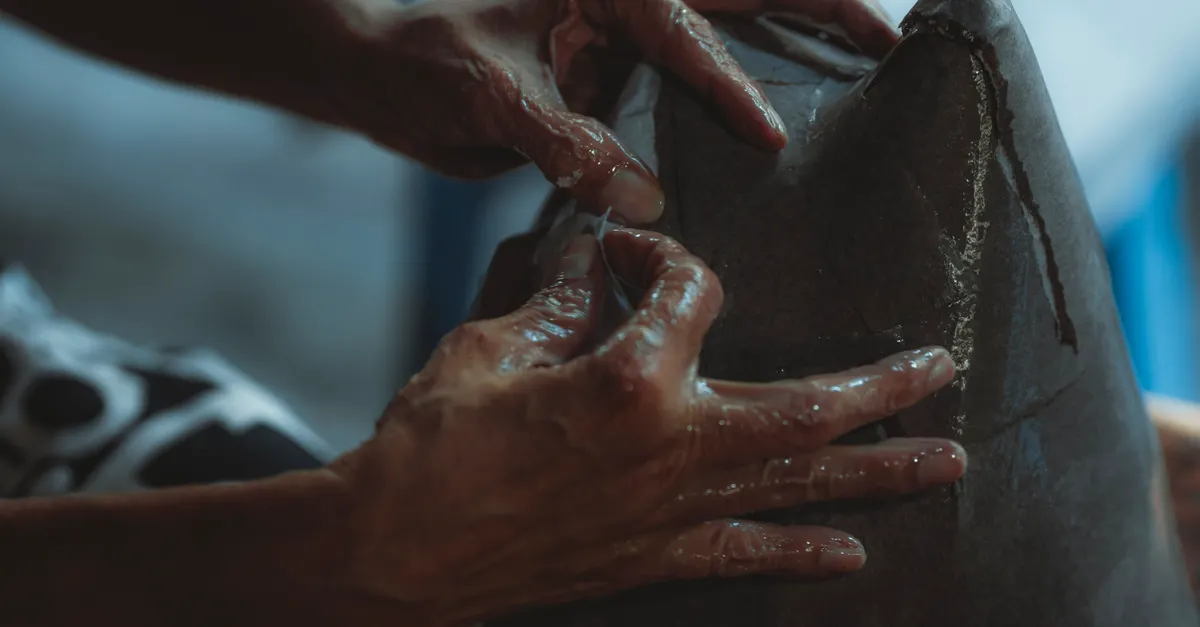
Metal shaping has long been at the heart of creative projects, from intricate sculptures to functional art and custom furniture. As artists and makers look for new ways to express themselves, understanding metal shaping techniques for creative projects becomes essential. Whether you’re an experienced craftsperson or just starting out, exploring the right methods, tools, and safety practices is key to unlocking the full potential of metal as a medium for artistic expression.

Understanding the Basics of Metal Shaping
At its core, metal shaping involves altering the form of metal sheets or rods into desired shapes through controlled force. For creative projects, the most common techniques include bending, stretching, shrinking, and planishing. Each method offers unique effects and is suited to different artistic goals.
- Bending: This is the process of forming metal into curves or angles using manual or powered tools. It’s fundamental for making frames, curves, or geometric designs.
- Stretching: By hammering or rolling, metal can be thinned and expanded, allowing for the creation of domes or organic shapes.
- Shrinking: The opposite of stretching, shrinking compresses metal, often used to create tight curves or to correct warping.
- Planishing: This finishing technique smooths out hammer marks and refines the surface, giving a polished look to the final piece.
These fundamental approaches form the building blocks for more advanced and innovative methods, and they are widely used in both traditional and modern metal art.
Essential Tools for Artistic Metalwork
Choosing the right metalworking tools can make a significant difference in both the quality and safety of your creative projects. Some of the most essential tools include:
- Hammers and Mallets: Used for shaping, texturing, and planishing. Different shapes and weights serve various purposes, from delicate tapping to heavy forming.
- English Wheel: According to established editorial sources, the English wheel is a key tool for creating smooth curves in metal. It works by rolling sheets between two wheels, gradually forming gentle, continuous curves—ideal for sculpture and custom panels.
- Metal Shears and Snips: These are crucial for cutting metal sheets to size before shaping begins.
- Forming Stakes and Anvils: Used as surfaces for hammering and shaping, stakes come in various profiles to support different curves and angles.
- Files and Sanding Tools: For refining edges and smoothing surfaces after shaping.
For beginners, starting with a basic set of hammers, a sturdy anvil, and a pair of metal shears can cover most entry-level projects. As skills develop, investing in specialized equipment like the English wheel or planishing hammers can expand creative possibilities.
Comparing Techniques for Different Metals
One of the most important considerations in metal shaping techniques for creative projects is understanding how different metals respond to various methods. Not all metals behave the same way; their physical properties influence which techniques are most effective.
| Metal Type | Properties | Best Shaping Techniques |
|---|---|---|
| Aluminium | Lightweight, malleable, soft | Stretching, bending, planishing |
| Stainless Steel | Strong, corrosion-resistant, harder to shape | Shrinking, heavy hammering, use of power tools |
| Copper | Very malleable, easily work-hardened | Texturing, repoussé, gentle bending |
| Brass | Moderately hard, good for decorative work | Bending, embossing, light stretching |
For example, aluminium is favored for its ease of shaping and light weight, making it ideal for large-scale art or functional objects. Stainless steel, while more challenging to work with, offers durability and a modern look. Copper and brass are popular in decorative arts for their color and workability. Knowing these differences helps in selecting the right material and technique for your project.
For those interested in how sustainability intersects with creative fabrication, exploring metal shaping techniques for sustainable practices can offer additional insights into eco-friendly approaches.
Innovative Approaches in Modern Metal Art
Contemporary artists and makers are constantly pushing the boundaries with innovative metal shaping methods. Some of the most creative approaches include:
- Hydroforming: Using water pressure to shape metal into complex forms, allowing for organic and intricate designs.
- Laser Cutting and Etching: Precision tools that enable detailed patterns and shapes, often used in combination with traditional shaping.
- 3D Forming with CNC Machines: Computer-controlled equipment can bend, cut, and shape metal with high accuracy, opening up new possibilities for custom art and design.
- Mixed Media Integration: Combining metal with other materials such as glass, wood, or recycled elements for unique, multi-textured pieces.
These methods allow for greater freedom in design and can be adapted for both small-scale and large installations. Artists often experiment with combining traditional hand techniques and modern technology to achieve their creative vision.
Getting Started: Beginner-Friendly Metal Shaping Projects
For those new to metal shaping techniques for creative projects, starting with simple, manageable projects is the best way to build confidence and skills. Here are a few beginner-friendly ideas:
- Decorative Wall Art: Use thin aluminium sheets to cut and bend simple shapes, then texture with a ball peen hammer for added dimension.
- Custom Jewelry: Brass or copper strips can be bent and twisted into rings, pendants, or earrings. Filing and sanding smooths the edges for safe wear.
- Garden Markers: Repurpose old metal utensils or cut small pieces of sheet metal, stamp them with plant names, and bend the ends for easy placement in soil.
While these projects are approachable, always prioritize safety and use appropriate personal protective equipment such as gloves and safety goggles. If a project involves welding, power tools, or unfamiliar equipment, consider seeking guidance from an experienced metalworker or enrolling in a workshop.
Safety First: Precautions and Professional Guidance
Working with metal and metalworking tools carries inherent risks, including sharp edges, flying debris, and the potential for burns or cuts. To ensure a safe and enjoyable creative process, follow these essential safety practices:
- Wear Protective Gear: Always use gloves, eye protection, and closed-toe shoes when shaping or cutting metal.
- Maintain a Clean Workspace: Keep your area free of clutter to prevent accidents and ensure you have enough room to maneuver materials safely.
- Use Tools Properly: Follow manufacturer instructions for all equipment, and never use a tool for a purpose it wasn’t designed for.
- Seek Professional Help When Needed: If a project requires welding, advanced machinery, or you feel unsure about a process, consult a professional or take a class. Organizations like Covell Creative Metalworking offer workshops and resources for all skill levels.
Remember, safety should never be compromised for the sake of creativity. Taking the right precautions not only protects you but also leads to better results in your work.

Conclusion: Embracing the Craft of Metal Shaping
Exploring metal shaping techniques for creative projects opens up a world of artistic potential. By understanding the basics, choosing the right tools, and respecting the properties of different metals, artists and makers can bring their visions to life. As you experiment with new methods and materials, always keep safety at the forefront and don’t hesitate to seek expert advice when tackling complex or unfamiliar projects. With patience and practice, metal shaping becomes not just a craft, but a rewarding form of creative expression.
Frequently Asked Questions
What are the most beginner-friendly metals for shaping?
Aluminium and copper are generally considered the easiest metals for beginners due to their softness and malleability. They require less force to shape and are forgiving for entry-level projects.
Can I shape metal at home without expensive equipment?
Yes, many basic metal shaping projects can be started with simple hand tools such as hammers, anvils, and metal shears. As your skills grow, you can gradually invest in more specialized equipment.
How do I know when to seek professional help with metal shaping?
If your project involves welding, advanced machinery, or you’re unsure about a particular technique, it’s wise to consult a professional or take a class. Safety risks increase with complexity, so expert guidance can prevent accidents and improve results.