
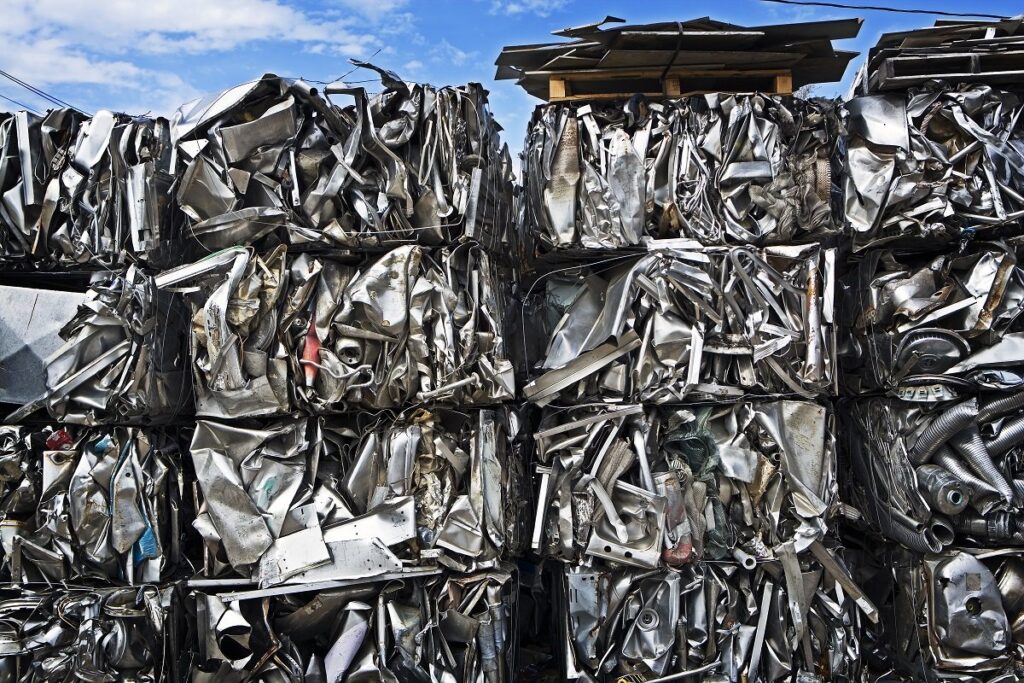
The landscape of metal recycling trends in 2025 is evolving rapidly, driven by technological advancements, regulatory changes, and growing environmental awareness. As industries and governments prioritize sustainability, the recycling sector is experiencing a wave of innovation aimed at increasing efficiency, reducing waste, and maximizing resource recovery. Understanding these shifts is essential for businesses, manufacturers, and consumers who want to stay ahead in a market where circular economy principles are becoming the norm.
This article explores the most significant developments shaping the future of metal recycling, including automation, digital tracking, and new processing methods. We’ll also examine the impact of global policies, the role of consumer behavior, and the benefits of adopting best practices for handling metals at every stage of their lifecycle. For those involved in related industries, such as stamping and fabrication, integrating these new approaches can offer both environmental and economic advantages. For example, following best practices for stamping coated steels helps ensure materials remain suitable for recycling, supporting a more sustainable supply chain.
Key Drivers Shaping the Future of Metal Recycling
Several factors are influencing the direction of metal recycling trends in 2025. Among the most prominent are stricter environmental regulations, rising demand for recycled materials, and the need to reduce carbon emissions across industries. As governments set ambitious targets for waste reduction and resource efficiency, recycling facilities are under pressure to modernize their operations.
The automotive, construction, and electronics sectors are particularly affected, as they rely heavily on metals like steel, aluminum, and copper. These industries are investing in closed-loop systems and advanced sorting technologies to ensure that valuable materials are recovered and reused efficiently. In addition, consumer awareness is driving demand for products made from recycled metals, encouraging manufacturers to increase the recycled content in their goods.
Technological Innovations Transforming Metal Recovery
One of the most significant shifts in the industry is the adoption of automation and artificial intelligence (AI) to streamline sorting and processing. Modern recycling plants are using robotics, machine vision, and sensor-based systems to identify and separate different types of metals with greater accuracy. This reduces contamination, improves yield, and lowers operational costs.
Digital tracking and blockchain technology are also gaining traction, enabling transparent supply chains and traceability for recycled materials. By recording each step in the recycling process, these tools help verify the origin and quality of metals, which is especially important for industries with strict compliance requirements.
Emerging Materials and Processing Techniques
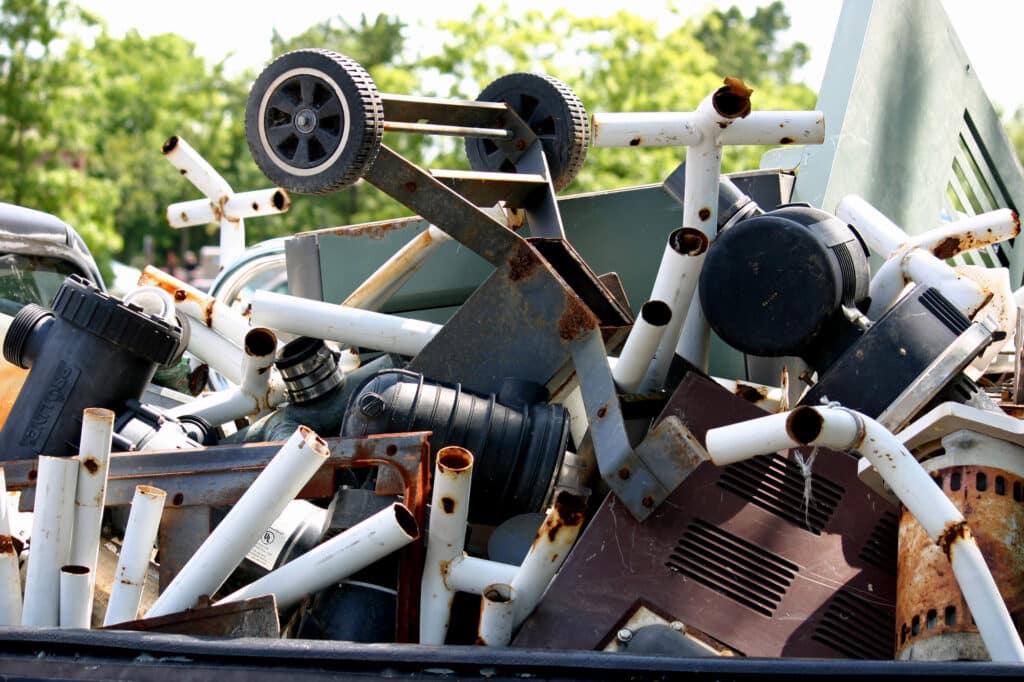
As the composition of consumer and industrial products evolves, recyclers must adapt to new materials and alloys. Lightweight metals, composites, and coated steels present unique challenges for traditional recycling methods. Innovations in shredding, separation, and purification are making it possible to recover these materials more effectively.
For example, advanced eddy current separators and laser-induced breakdown spectroscopy (LIBS) are being used to distinguish between similar-looking metals. These technologies help maximize recovery rates and ensure that high-value materials are not lost in the process. Facilities that invest in these solutions can better handle the increasing complexity of modern scrap streams.
Global Policy and Market Trends
International regulations and trade agreements are shaping the flow of recyclable metals across borders. Many countries are tightening export controls on scrap materials to encourage domestic processing and reduce environmental impacts. This shift is leading to increased investment in local recycling infrastructure and the development of regional supply chains.
At the same time, fluctuations in commodity prices and demand for green products are influencing the economics of recycling. Companies that can adapt to these market dynamics by improving efficiency and offering certified recycled content will be better positioned for long-term success.
Environmental and Economic Benefits of Modern Recycling
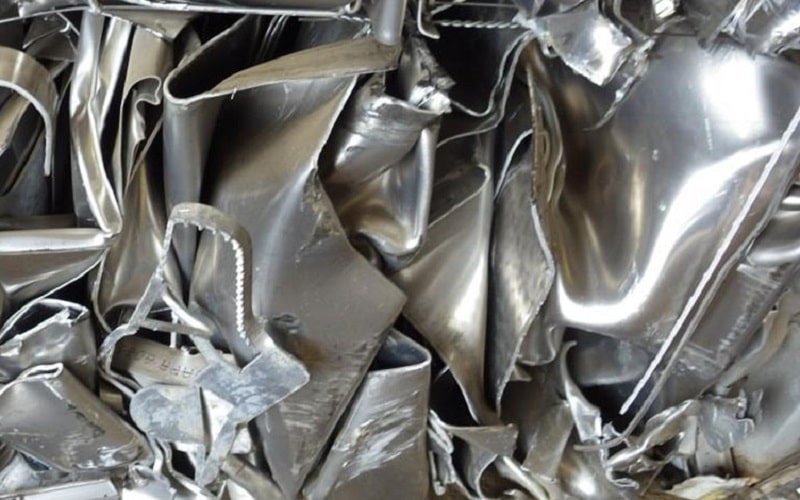
Embracing the latest metal recycling trends in 2025 offers significant environmental and financial rewards. Recycling metals requires far less energy than producing them from virgin ore, resulting in lower greenhouse gas emissions and reduced resource depletion. For businesses, these efficiencies translate into cost savings and new revenue streams from recovered materials.
According to research on the benefits of recycling metals, using recycled inputs can also enhance a company’s reputation and help meet sustainability targets. As more organizations adopt circular economy models, the ability to demonstrate responsible sourcing and recycling practices will become a key differentiator in the marketplace.
Best Practices for Adapting to Industry Changes
Staying competitive in the evolving recycling sector requires a proactive approach. Companies should regularly assess their processes, invest in staff training, and adopt new technologies as they become available. Collaborating with suppliers and customers to close material loops can further enhance efficiency and reduce waste.
For those in metalworking and fabrication, integrating knowledge from related fields—such as steel stamping edge quality optimization—can improve both product quality and recyclability. By designing products with end-of-life recovery in mind, manufacturers can support a more sustainable and profitable recycling ecosystem.
Frequently Asked Questions
What are the main innovations expected in metal recycling by 2025?
The most notable advancements include increased automation, AI-powered sorting, digital tracking for supply chain transparency, and improved separation techniques for complex materials. These innovations are making recycling more efficient and cost-effective.
How will global policies impact the recycling industry?
Stricter regulations and export controls are encouraging the development of local recycling infrastructure. This shift is expected to boost domestic processing capacity and create more resilient regional supply chains.
Why is it important for manufacturers to consider recyclability in product design?
Designing products for easier disassembly and material recovery helps maximize recycling rates, reduces environmental impact, and can lower production costs. It also supports compliance with emerging sustainability standards and consumer expectations.
As the industry continues to evolve, staying informed about the latest metal recycling trends in 2025 will be crucial for anyone involved in the production, use, or recovery of metals. By embracing innovation and best practices, businesses and individuals can contribute to a more sustainable and efficient future.