
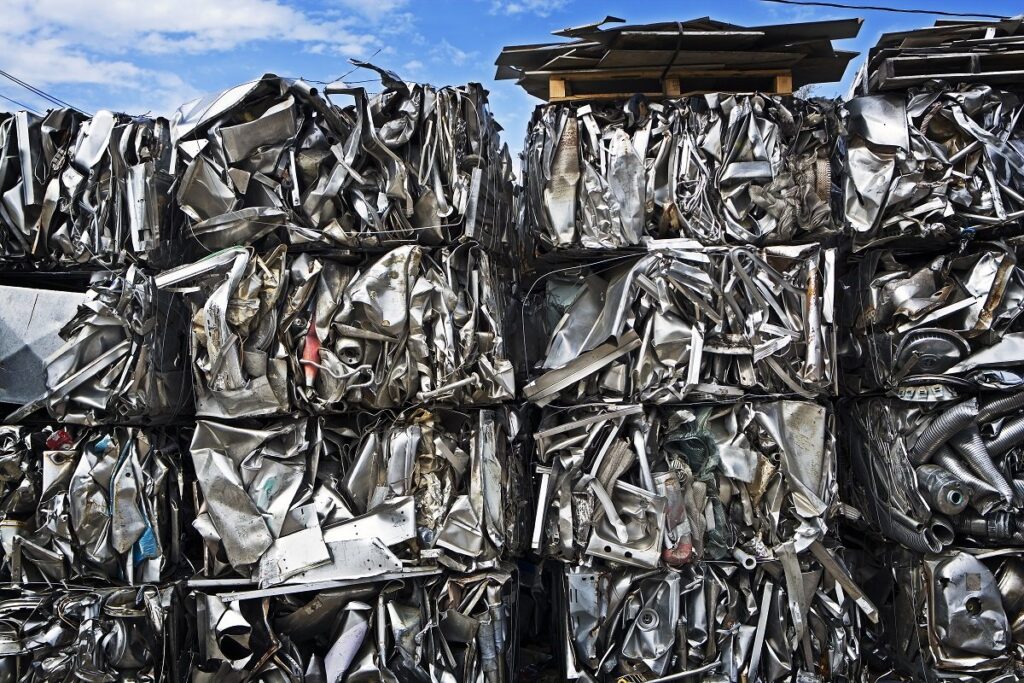
The automotive industry relies heavily on metals for vehicle production, from steel frames to aluminum body panels and copper wiring. As sustainability becomes a core focus, metal recycling in the automotive supply chain has emerged as a vital strategy for reducing environmental impact, conserving resources, and meeting regulatory demands. This article explores how recycled metals are integrated into automotive manufacturing, the benefits and challenges of this approach, and best practices for optimizing recycling processes throughout the supply chain.
By prioritizing the reuse of metals, automakers can lower costs, decrease carbon emissions, and support a circular economy. Understanding the flow of recycled materials—from collection and processing to incorporation in new vehicles—helps manufacturers, suppliers, and stakeholders make informed decisions that drive both economic and environmental value. For those involved in stamping and forming operations, resources like best practices for stamping coated steels can further enhance the quality and efficiency of working with recycled metals.
The Role of Recycled Metals in Automotive Manufacturing
The use of recycled metals in vehicle production is not new, but its importance has grown as manufacturers seek to reduce their environmental footprint. Steel, aluminum, and copper are the most commonly recycled metals in the automotive sector. These materials are recovered from end-of-life vehicles, manufacturing scrap, and other post-consumer sources, then processed and reintroduced into the supply chain.
Incorporating recycled content helps automakers meet sustainability targets, comply with regulations, and respond to consumer demand for greener products. In many cases, recycled metals offer comparable performance to virgin materials, making them suitable for a wide range of automotive components.
How Metal Recycling Supports a Sustainable Supply Chain
Integrating metal recycling in the automotive supply chain delivers several key benefits:
- Resource Conservation: Recycling metals reduces the need for mining and extraction, conserving natural resources and minimizing habitat disruption.
- Energy Savings: Producing metals from recycled sources typically requires less energy than processing raw ore. For example, recycled aluminum uses up to 95% less energy than primary production.
- Lower Emissions: By cutting energy use, recycling also decreases greenhouse gas emissions associated with metal production.
- Cost Efficiency: Using recycled metals can lower material costs, especially when commodity prices for virgin metals are high.
- Regulatory Compliance: Governments worldwide are introducing stricter recycling and sustainability requirements for manufacturers.
Collection and Processing of Automotive Scrap
The journey of recycled metals in the automotive sector begins with the collection of scrap. End-of-life vehicles are dismantled, and usable parts are removed. The remaining metal is sorted, shredded, and processed for reuse. Manufacturing facilities also generate scrap during stamping, cutting, and forming operations, which is collected and sent for recycling.
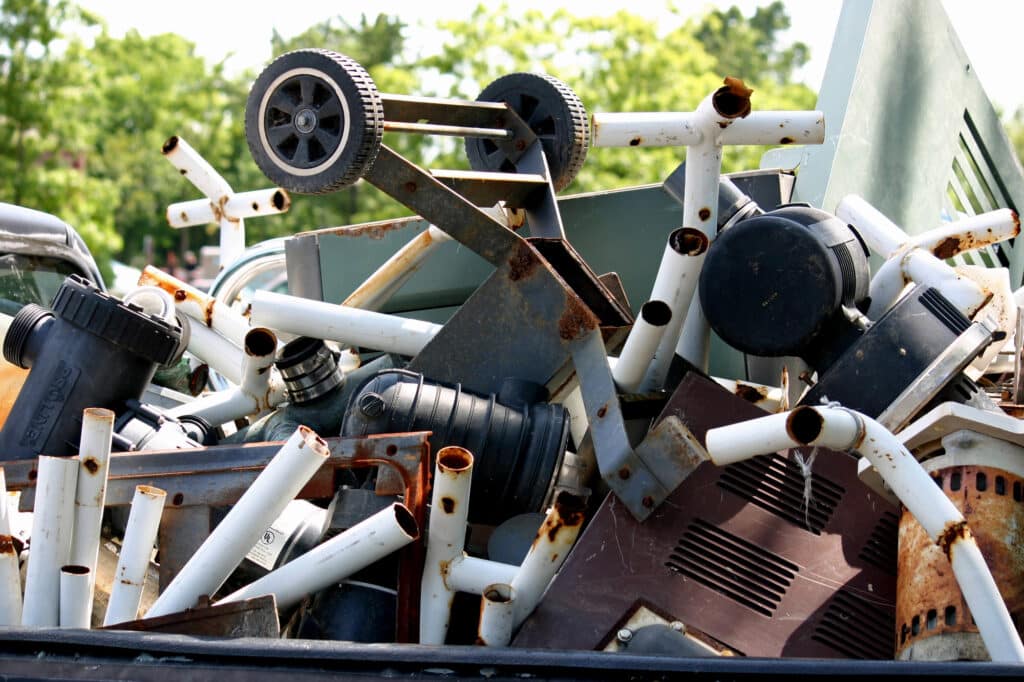
Advanced sorting technologies, such as magnetic separation and eddy current systems, help segregate ferrous and non-ferrous metals. This ensures that high-quality recycled material is available for reprocessing. The resulting metal is melted, refined, and cast into new forms, ready to be integrated into automotive parts.
Challenges in Implementing Metal Recycling Strategies
While the benefits are clear, there are challenges to maximizing recycled metal use in automotive manufacturing:
- Quality Control: Ensuring that recycled metals meet the stringent specifications required for automotive applications can be complex. Contaminants or inconsistent alloy composition may affect performance.
- Supply Chain Complexity: Coordinating the flow of recycled materials across multiple suppliers and facilities requires robust logistics and traceability systems.
- Economic Factors: Fluctuations in scrap metal prices and demand for virgin materials can impact the cost-effectiveness of recycling programs.
- Technological Barriers: Some advanced alloys and composite materials used in modern vehicles are more difficult to recycle efficiently.
Best Practices for Integrating Recycled Metals
To optimize the use of recycled metals, automotive companies can adopt several best practices:
- Establish partnerships with reliable scrap processors and recyclers to ensure a steady supply of high-quality material.
- Invest in advanced sorting and processing technologies to improve material purity and yield.
- Implement closed-loop recycling systems, where manufacturing scrap is collected and reused within the same facility or supply network.
- Monitor and document recycled content in products to support sustainability reporting and compliance.
- Train staff on handling and processing recycled metals to maintain quality and safety standards. For more on this, see how to train operators for steel stamping safety.
Types of Metals Commonly Recycled in Automotive Production
The most frequently recycled metals in automotive manufacturing include:
- Steel: Used for chassis, body panels, and structural components. Steel is highly recyclable and retains its properties through multiple cycles.
- Aluminum: Valued for its light weight and corrosion resistance, aluminum is used in engine parts, wheels, and body structures.
- Copper: Essential for electrical wiring and components, copper is easily recovered and reused.
- Other Metals: Lead (from batteries), platinum group metals (from catalytic converters), and magnesium are also recycled, though in smaller quantities.
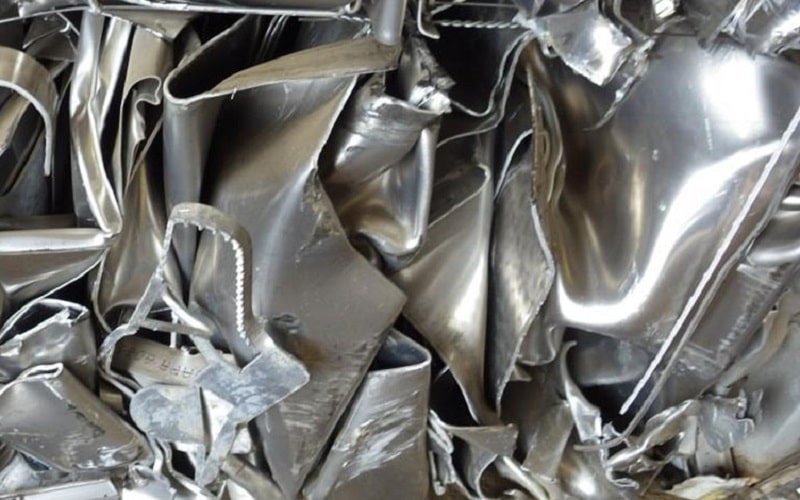
For a detailed overview of which metals can be recycled and their applications, visit this comprehensive guide to recyclable metals.
Future Trends in Automotive Metal Recycling
As the automotive sector evolves, several trends are shaping the future of recycling:
- Increased Use of Lightweight Alloys: The shift toward electric vehicles and fuel efficiency is driving demand for lightweight, recyclable materials like aluminum and magnesium.
- Digital Traceability: Blockchain and other digital tools are being used to track recycled content and ensure transparency throughout the supply chain.
- Design for Recycling: Automakers are increasingly designing vehicles with end-of-life disassembly and material recovery in mind.
- Collaboration Across Industries: Partnerships between automakers, recyclers, and technology providers are accelerating innovation in recycling processes.
Frequently Asked Questions
What are the main benefits of using recycled metals in car manufacturing?
Utilizing recycled metals conserves natural resources, reduces energy consumption, lowers greenhouse gas emissions, and can decrease production costs. It also helps manufacturers comply with environmental regulations and meet consumer expectations for sustainability.
How is quality maintained when using recycled metals in vehicles?
Quality is ensured through advanced sorting, cleaning, and refining processes. Recycled metals are tested for purity and alloy composition to meet the strict standards required for automotive components.
Which metals are most commonly recycled in the automotive industry?
Steel, aluminum, and copper are the most widely recycled metals in automotive production. Other materials, such as lead from batteries and precious metals from catalytic converters, are also recovered and reused.
Are there any challenges to increasing recycled metal usage in cars?
Yes, challenges include maintaining consistent quality, managing complex supply chains, fluctuating scrap prices, and recycling advanced alloys or composites. Ongoing innovation and collaboration are helping to address these issues.
By embracing metal recycling in the automotive supply chain, the industry can make significant strides toward sustainability, cost savings, and regulatory compliance. As technologies and best practices continue to evolve, the role of recycled metals will only grow in importance for the future of automotive manufacturing.