
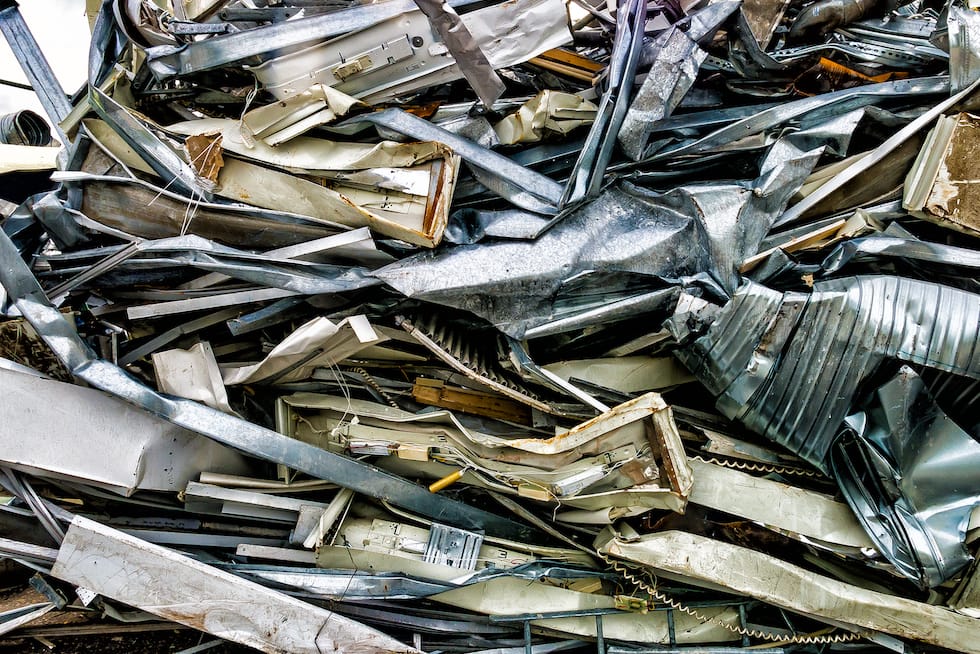
The construction industry generates a significant amount of waste, with metals making up a large portion of the debris left behind after demolition, renovation, or new builds. Efficiently managing and reusing these materials is not only an environmental responsibility but also a practical approach to resource conservation and cost savings. Metal recycling from construction debris plays a crucial role in reducing landfill waste, conserving natural resources, and supporting a circular economy.
Understanding how to properly sort, process, and recycle metals from construction sites can benefit contractors, project managers, and property owners alike. This guide explores the steps, benefits, and best practices for handling scrap metals, helping you make informed decisions that positively impact both your bottom line and the environment.
For a broader perspective on how reclaiming metals helps reduce landfill impact, see how metal recycling reduces landfill waste.
Why Reclaim Metals From Construction Sites?
Construction and demolition activities generate substantial quantities of metal waste, including steel beams, copper wiring, aluminum siding, and more. Recovering these materials offers several advantages:
- Environmental protection: Recycling metals reduces the need for raw material extraction, lowering greenhouse gas emissions and conserving energy.
- Cost savings: Selling scrap metals can offset project expenses, while reducing landfill disposal fees.
- Regulatory compliance: Many regions have mandates or incentives for diverting construction waste from landfills.
- Resource efficiency: Recycled metals can be processed and reused in new construction, manufacturing, or infrastructure projects.
Types of Metals Commonly Found in Construction Debris
Not all metals are the same when it comes to recycling. Construction debris typically contains a mix of ferrous and non-ferrous metals, each with its own recycling process and market value.
- Ferrous metals: These contain iron and are magnetic. Examples include steel beams, rebar, and cast iron pipes. Ferrous metals are widely recycled and often used in new construction materials.
- Non-ferrous metals: These do not contain iron and are generally more valuable. Examples include copper wiring, aluminum window frames, brass fixtures, and stainless steel. Non-ferrous metals are prized for their resistance to corrosion and conductivity.
For a detailed overview of how different metals are processed for reuse, you can refer to this comprehensive guide to metal types and their recycling process.
Sorting and Preparing Metal Scrap on Construction Sites
Effective metal recycling from construction debris begins with proper sorting and preparation. The cleaner and more separated your scrap, the higher its value and the easier it is to recycle.
- Identify and separate metals: Use magnets to distinguish ferrous from non-ferrous metals. Keep materials like copper, aluminum, and brass in separate bins.
- Remove contaminants: Strip insulation from wiring, remove screws or fasteners, and clean off concrete or other debris attached to metal pieces.
- Cut or break down large items: Reducing the size of scrap metal makes transportation and processing more efficient. Specialized tools or shredding machines can help with this step.
- Store safely: Use labeled containers or designated areas to keep sorted metals organized and prevent cross-contamination.
How Construction Metal Is Collected and Processed
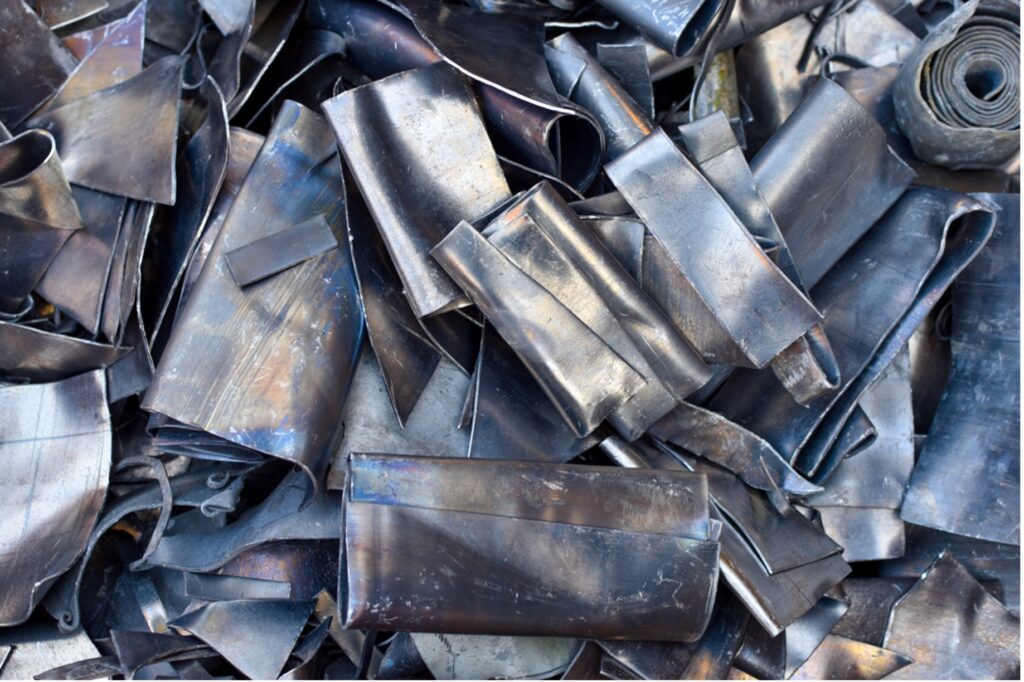
Once sorted, scrap metal from building projects is typically collected by recycling companies or delivered to local scrap yards. The process generally involves:
- Weighing and grading: Scrap is weighed and assessed for purity and type, which determines its value.
- Shredding and shearing: Large pieces are broken down into smaller, manageable sizes using industrial shredders or shears.
- Further separation: Advanced facilities use magnets, eddy currents, and other technologies to further separate metals and remove impurities.
- Melting and purification: Metals are melted in furnaces, then purified and cast into new forms for reuse. Learn more about these steps in how metal is melted and purified.
Best Practices for Maximizing Metal Recovery
To get the most out of metal recycling from construction debris, consider these practical strategies:
- Plan for recycling early: Integrate waste management and recycling plans into project specifications and contracts from the start.
- Train your crew: Educate workers on how to identify, sort, and handle different types of metals.
- Partner with reputable recyclers: Work with certified recycling companies that offer transparent pricing and responsible processing.
- Track your results: Keep records of the quantities and types of metals recycled to measure environmental impact and cost savings.

Challenges and Solutions in Construction Scrap Metal Recycling
While the benefits are clear, there are some obstacles to efficient metal recycling from construction debris:
- Mixed materials: Construction waste often contains a mix of metals, plastics, wood, and concrete. Investing in on-site sorting and using shredding equipment can help.
- Contamination: Paint, insulation, and other residues can lower scrap value. Cleaning and prepping metals before recycling is essential.
- Logistics: Transporting bulky or heavy scrap can be costly. Coordinating with local recyclers and using efficient collection methods can reduce expenses.
- Market fluctuations: Scrap metal prices can vary. Staying informed about market trends and working with reliable partners helps maintain profitability.
For insights on the broader role of recycling in the industry, see metal recycling in construction industry.
Environmental and Economic Impact
Diverting metals from construction waste streams has a measurable impact. Recycling just one ton of steel saves over 1,000 kilograms of iron ore, conserves energy, and reduces carbon emissions. For businesses, these efforts can lead to LEED certification points, improved public image, and direct financial returns from scrap sales.
Additionally, supporting the recycling industry creates jobs and stimulates local economies. Foundries and processing plants rely on a steady supply of scrap metal to produce new products, as discussed in the role of foundries in recycling.
Frequently Asked Questions
What metals are most valuable to recycle from construction debris?
Non-ferrous metals such as copper, brass, and aluminum typically fetch the highest prices due to their properties and demand. However, ferrous metals like steel and iron are also widely recycled and contribute significantly to resource conservation.
How can I ensure my construction site maximizes metal recovery?
Start by planning for recycling from the outset, train your crew to sort materials properly, use labeled bins, and partner with reputable recycling companies. Investing in shredding or cutting equipment can also improve efficiency.
Is it necessary to clean metals before recycling?
Yes, removing contaminants such as insulation, paint, or concrete increases the value of your scrap and ensures smoother processing at recycling facilities.
Where can I learn more about recovering metals from electronic waste?
For information on recycling metals from electronics, see how electronic waste metals are recovered.