
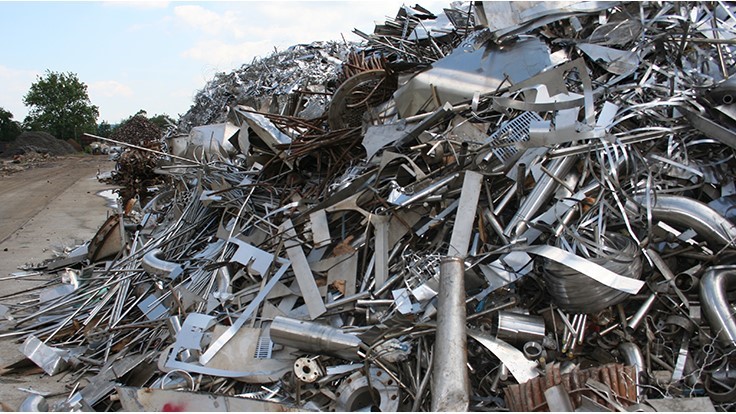
The process of how metal is melted and purified is a cornerstone of modern recycling and sustainable manufacturing. By transforming discarded metal into reusable material, industries can reduce waste, conserve natural resources, and lower energy consumption. Understanding the steps involved in this transformation helps clarify why recycled metals play such a vital role in today’s economy and environmental efforts.
This guide explores the journey of scrap metal from collection to its rebirth as a high-quality resource. We’ll cover the main stages, from sorting and preparation to melting, purification, and the final casting into new forms. Along the way, you’ll discover the technologies, safety measures, and environmental benefits that shape the world of metal recycling.
For a deeper look at what happens after scrap is collected, see what happens to scrap metal for a step-by-step overview of post-collection processes.
Why Melting and Purifying Metal Matters
Recycling metal is more than just an environmental responsibility; it’s a practical necessity for many industries. The process of melting and purifying metals ensures that recycled materials meet the same standards as new, mined metals. This enables manufacturers to use recycled content in everything from construction beams to electronics, reducing the need for raw ore extraction.
The benefits include:
- Energy savings – Melting scrap requires significantly less energy than producing metal from ore.
- Resource conservation – Recycling preserves finite natural resources for future generations.
- Waste reduction – Purification removes contaminants, making recycled metal suitable for high-quality applications.
- Lower emissions – The process produces fewer greenhouse gases compared to primary metal production.
Preparing Scrap for the Furnace
Before scrap metal can be melted, it must be properly sorted and prepared. This step is crucial for ensuring the efficiency and quality of the final product.
- Sorting: Metals are separated by type (ferrous and non-ferrous) using magnets, sensors, and manual inspection. For tips on identifying different types, check out how to identify recyclable metals.
- Cleaning: Contaminants like paint, oil, and plastic are removed. This may involve washing, shredding, or chemical treatments.
- Shredding: Large pieces are broken down into smaller, uniform sizes for easier handling and more consistent melting.
Melting Metal: Furnaces and Techniques
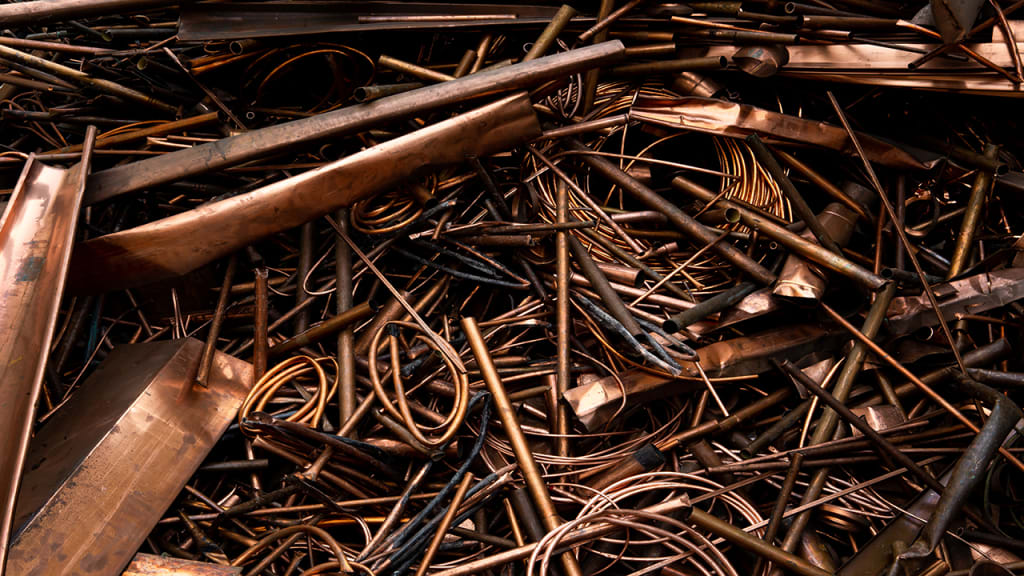
Once prepared, the scrap is ready for melting. The choice of furnace and technique depends on the type of metal and the desired purity level.
Common Furnace Types
- Blast Furnaces: Used mainly for iron and steel, these large, high-temperature furnaces use coke as a fuel and reducing agent.
- Electric Arc Furnaces (EAF): Common in steel recycling, EAFs use electrical energy to melt scrap quickly and efficiently.
- Induction Furnaces: Ideal for non-ferrous metals like aluminum and copper, these use electromagnetic fields to generate heat.
- Reverberatory Furnaces: Often used for aluminum, these rely on radiant heat reflected from the furnace roof.
The melting process raises the temperature of the metal above its melting point, turning it into a liquid. Impurities and lighter materials float to the surface as slag, which can be skimmed off.
Purification: Removing Impurities from Molten Metal
Purifying molten metal is essential for ensuring the recycled product meets quality standards. Several methods are used to achieve this:
- Flux Addition: Chemicals called fluxes are added to bind with impurities, making them easier to remove as slag.
- Electrolysis: For metals like copper and aluminum, passing an electric current through the molten metal separates pure metal from contaminants.
- Vacuum Degassing: Removing gases like hydrogen and oxygen from molten steel improves strength and ductility.
- Filtration: Molten metal is passed through ceramic or mesh filters to trap solid impurities.
The choice of purification method depends on the metal type and the intended use of the recycled material. For example, industrial uses of recycled aluminum often require high purity levels, making advanced purification techniques essential.
Casting and Solidifying the Purified Metal
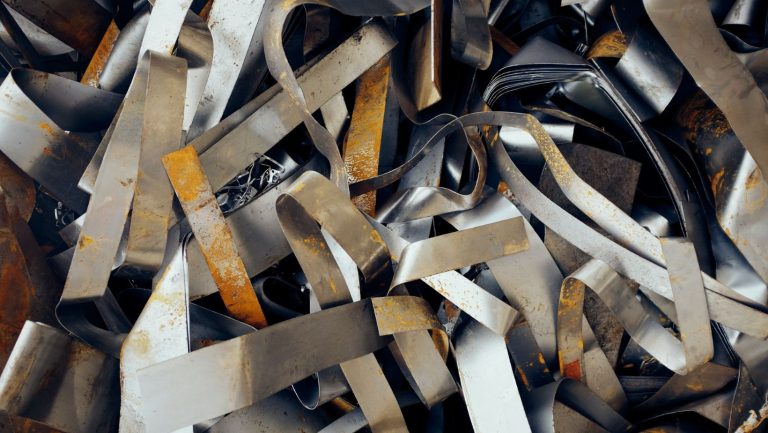
After purification, the molten metal is ready to be cast into new shapes. This step transforms the liquid back into a solid form that can be used in manufacturing.
- Pouring: The purified metal is poured into molds or continuous casting machines.
- Cooling: Controlled cooling solidifies the metal, preventing defects and ensuring consistent properties.
- Finishing: Once solidified, the metal may undergo further processing, such as rolling, cutting, or surface treatment.
The resulting ingots, billets, or sheets are then ready for use in new products, completing the recycling loop.
Environmental and Economic Impact
The environmental benefits of how metal is melted and purified for reuse are significant. Recycling metals reduces the demand for mining, lowers greenhouse gas emissions, and minimizes landfill waste. Economically, it provides a steady supply of raw materials at a lower cost than virgin metal production.
Innovations in metal recycling technologies continue to improve the efficiency and sustainability of these processes, making recycled metals an increasingly attractive option for manufacturers worldwide.
For a broader perspective on the role of recycled materials in manufacturing, see can recycled metal replace new metal for insights into industry trends and challenges.
Safety Measures and Industry Standards
The melting and purification of metals involve high temperatures, hazardous materials, and complex machinery. Strict safety protocols are essential to protect workers and the environment:
- Personal protective equipment (PPE) such as heat-resistant clothing, gloves, and face shields
- Ventilation systems to control fumes and dust
- Regular equipment maintenance and inspections
- Compliance with environmental regulations and industry standards
Adhering to these measures ensures that the recycling process remains safe, efficient, and environmentally responsible.
Frequently Asked Questions
What types of metals can be recycled through melting and purification?
Most metals, including steel, aluminum, copper, brass, and lead, can be recycled using these methods. The specific process may vary depending on the metal’s properties and intended use.
How does recycled metal compare to new metal in quality?
When properly melted and purified, recycled metal can match or even exceed the quality of newly mined metal. Advanced purification techniques remove contaminants, ensuring high performance in manufacturing applications.
Are there any environmental downsides to melting and purifying metals?
While recycling is far more sustainable than mining, it still requires energy and can produce emissions. However, modern facilities use energy-efficient furnaces and pollution controls to minimize environmental impact.
Where can I learn more about the basics of metal recycling?
For an introductory overview, visit this comprehensive introduction to metal recycling for background and industry insights.