
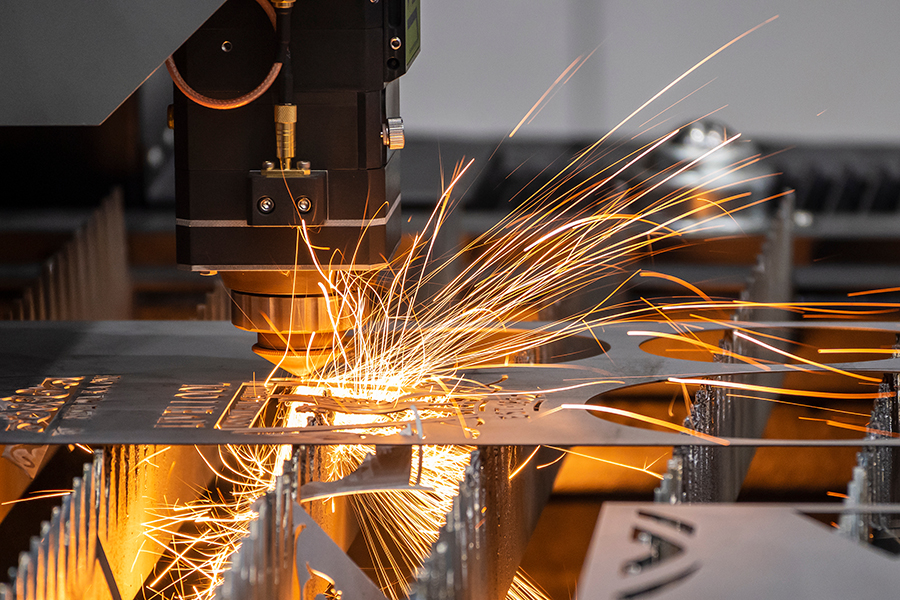
Efficient metal recycling and waste management are essential for modern factories aiming to reduce costs, comply with environmental regulations, and support sustainability goals. As industrial operations generate significant amounts of scrap and byproducts, adopting robust strategies for handling these materials is no longer optional—it’s a necessity for operational excellence and corporate responsibility.
This guide explores practical approaches for manufacturers to optimize their recycling processes, minimize waste, and unlock value from materials that might otherwise be discarded. By implementing best practices and leveraging the latest technologies, factories can not only reduce their environmental footprint but also improve profitability and reputation.
For manufacturers looking to further enhance their sustainability initiatives, exploring supplier waste reduction programs metals can offer additional opportunities for resource optimization and cost savings.
Why Industrial Metal Waste Management Matters
Factories are among the largest producers of metal scrap, including steel, aluminum, copper, and other alloys. Without proper systems in place, this waste can accumulate, leading to increased disposal costs, safety hazards, and environmental liabilities. On the other hand, effective metal recycling and waste management programs help factories:
- Reduce raw material expenses by reusing and recycling valuable metals
- Comply with local and international environmental regulations
- Minimize landfill usage and associated fees
- Enhance workplace safety by keeping production areas clear of debris
- Strengthen their reputation as responsible, sustainable manufacturers
Integrating these practices is not just about compliance—it’s a strategic move that can drive efficiency and support long-term business growth.
Key Steps for Effective Scrap Metal Handling
To maximize the benefits of recycling, factories should establish clear protocols for collecting, sorting, and processing metal waste. Here are some foundational steps:
- Segregation at Source: Separate different types of metals as early as possible in the production process. This improves recycling yields and reduces contamination.
- Proper Storage: Use designated bins or containers for each metal type. Ensure these are clearly labeled and placed in accessible locations to encourage compliance among staff.
- Regular Collection: Schedule frequent pickups to prevent overflow and maintain a safe, organized workspace.
- Documentation: Keep detailed records of scrap volumes, types, and destinations. This data supports regulatory reporting and helps identify areas for improvement.
For advanced guidance on improving recycling outcomes, consider reviewing scrap metal sorting techniques that can boost recovery rates and reduce waste.
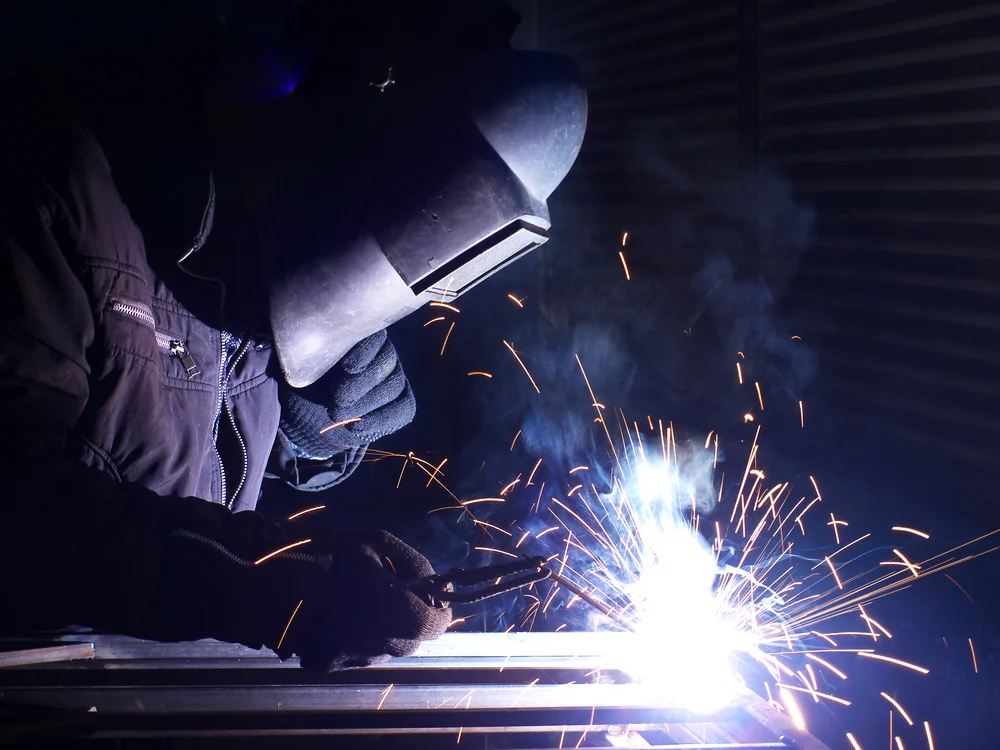
Technologies Transforming Factory Recycling Programs
Modern factories are leveraging technology to streamline metal recycling and waste management processes. Some of the most impactful solutions include:
- Automated Sorting Systems: These use sensors and AI to identify and separate metals with high precision, reducing manual labor and improving purity.
- On-site Shredders and Compactors: By reducing the volume of scrap, these machines lower transportation costs and make storage more efficient.
- Real-Time Monitoring: IoT devices can track bin fill levels, collection schedules, and material flows, enabling proactive management and reducing downtime.
- Data Analytics: Advanced software helps factories analyze waste streams, identify inefficiencies, and set measurable targets for improvement.
Adopting these technologies not only enhances recycling rates but also supports compliance with increasingly stringent environmental standards.
Strategies to Reduce Metal Waste Generation
While recycling is crucial, the most sustainable approach is to prevent waste from occurring in the first place. Factories can minimize scrap generation by:
- Optimizing production processes to reduce offcuts and defects
- Implementing lean manufacturing principles
- Training staff on efficient material usage and handling
- Collaborating with suppliers to improve raw material quality and packaging
For a deeper dive into minimizing waste at the source, explore metal recovery from industrial waste and related process improvements.
Partnering with Certified Recyclers and Waste Managers
Choosing the right recycling partners is essential for ensuring that scrap metals are processed responsibly and in compliance with regulations. When evaluating service providers, consider the following:
- Certifications and compliance with local, national, and international standards
- Transparent reporting and documentation practices
- Ability to handle a wide range of metal types and volumes
- Reputation for ethical and environmentally sound operations
Working with experienced partners can also provide access to market insights, helping factories maximize the value of their recyclable materials.
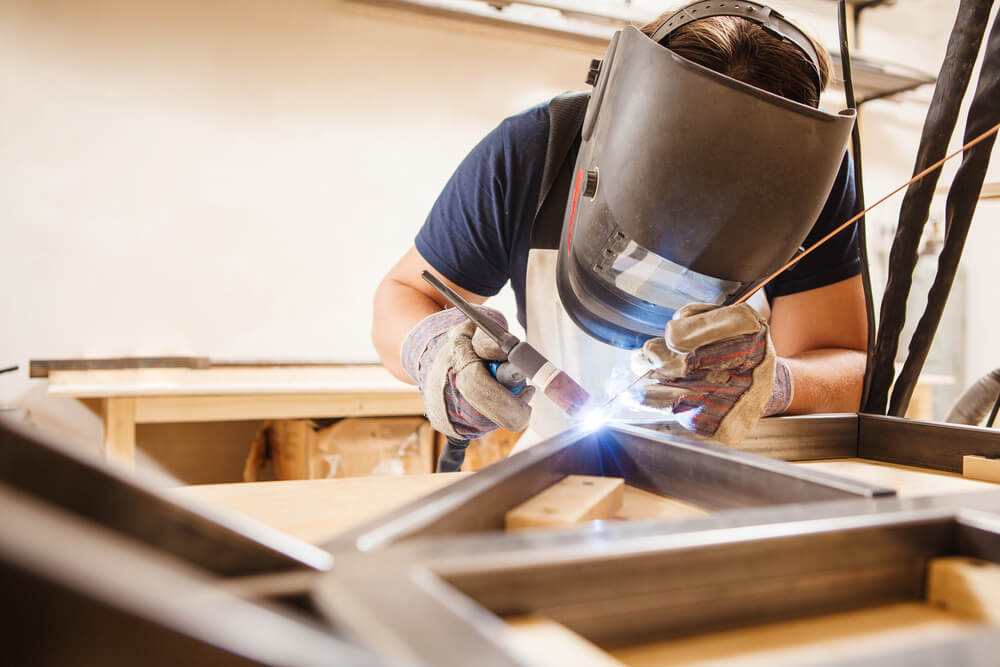
Compliance, Reporting, and Sustainability Benefits
Regulatory compliance is a critical aspect of industrial waste management. Factories must adhere to guidelines regarding storage, transport, and disposal of scrap metals. Accurate record-keeping and transparent reporting are essential for audits and for demonstrating commitment to environmental stewardship.
Beyond compliance, robust recycling programs contribute to broader sustainability goals. They help conserve natural resources, reduce greenhouse gas emissions, and support the circular economy. Manufacturers can also leverage their achievements in waste reduction and recycling for marketing and stakeholder engagement.
Continuous Improvement and Industry Best Practices
Successful metal recycling and waste management programs are built on a foundation of continuous improvement. Factories should regularly review their processes, set measurable goals, and stay informed about industry trends. Learning from peers and adopting best practices—such as those outlined in steel industry sustainability practices—can help manufacturers stay ahead of regulatory changes and market demands.
For additional strategies on minimizing waste and maximizing recovery, manufacturers can benefit from resources like how to reduce waste in industrial scrap metal processing, which offers actionable insights for the industrial sector.
FAQ: Metal Recycling and Waste Management in Manufacturing
What are the main benefits of recycling metal waste in factories?
Recycling metal waste helps factories reduce raw material costs, comply with environmental regulations, minimize landfill use, and improve workplace safety. It also supports sustainability goals and enhances the company’s public image.
How can factories improve the efficiency of their recycling programs?
Efficiency can be improved by segregating metals at the source, investing in automated sorting technologies, maintaining clear documentation, and partnering with certified recyclers. Regular training and process reviews also contribute to better outcomes.
What should manufacturers look for when choosing a recycling partner?
Key considerations include certifications, transparent reporting, the ability to handle various metal types, and a strong reputation for ethical practices. Reliable partners help ensure compliance and maximize the value of recyclable materials.