
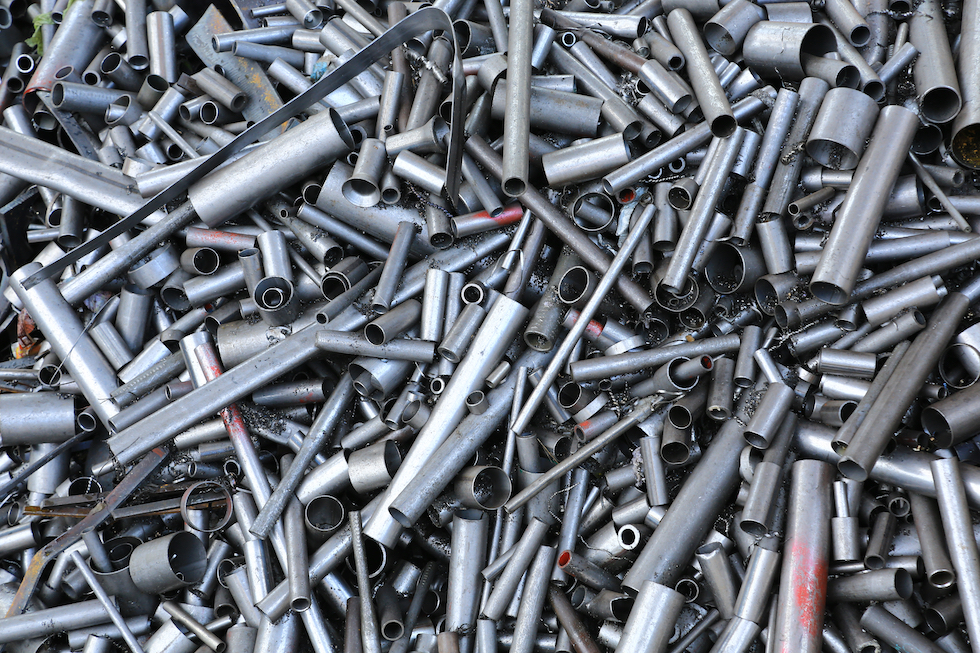
As the demand for raw materials increases and environmental concerns become more pressing, metal recycling and sustainability have taken center stage in modern industry. Recycling metals not only conserves natural resources but also reduces energy consumption and greenhouse gas emissions. This guide explores the essential practices that drive sustainable metal recovery, the benefits of adopting these methods, and how businesses and individuals can contribute to a more circular economy.
Understanding the full lifecycle of metals—from extraction to reuse—reveals why responsible recycling is crucial. By examining the latest industry standards and innovative approaches, we can see how these efforts support both environmental goals and economic growth. For those interested in the specific processes involved, learning about the steps in metal recycling provides valuable insight into how metals are collected, sorted, and repurposed.
Why Sustainable Metal Recovery Matters
The importance of metal recycling and sustainability extends far beyond environmental protection. Metals such as steel, aluminum, and copper are finite resources. Extracting virgin materials requires significant energy and often leads to habitat destruction, water pollution, and increased carbon emissions. By reprocessing scrap metal, industries can drastically reduce their ecological footprint.
According to recent studies, recycling aluminum saves up to 95% of the energy needed to produce new aluminum from ore. Similarly, steel recycling conserves about 60-74% of the energy compared to primary production. These savings translate into lower costs for manufacturers and reduced environmental impact for communities.
Beyond energy conservation, sustainable metal recovery supports a circular economy. This model keeps materials in use for as long as possible, minimizing waste and promoting resource efficiency. As more companies and municipalities adopt these principles, the global supply chain becomes more resilient and less dependent on volatile raw material markets.
Core Practices in the Metal Recycling Industry
Effective recycling relies on a series of coordinated steps, each designed to maximize material recovery and minimize contamination. Here are some of the most important industry practices:
- Collection and Transportation: Gathering scrap metal from households, businesses, and demolition sites is the first step. Efficient logistics ensure that materials reach processing facilities quickly and safely.
- Sorting and Separation: Advanced sorting technologies, such as magnetic separators and eddy current systems, help distinguish between ferrous and non-ferrous metals. For a deeper dive into these methods, see how metals are sorted for recycling.
- Processing and Shredding: Once sorted, metals are cleaned and shredded into smaller pieces. This increases surface area and makes melting more efficient. Investing in the right equipment, like a dedicated shredding machine, can streamline this stage.
- Melting and Purification: The shredded metal is melted in large furnaces. Impurities are removed through various refining techniques, ensuring the recycled product meets industry standards.
- Repurposing and Manufacturing: Purified metal is cast into new shapes or products, ready to re-enter the supply chain. This closed-loop process is key to sustainable manufacturing.
Innovations Advancing Metal Recycling and Sustainability
The recycling sector continues to evolve, with new technologies and strategies making metal recovery more efficient and environmentally friendly. Some notable advancements include:
- Automated Sorting: Artificial intelligence and robotics are increasingly used to identify and separate different metal types with high precision, reducing contamination and improving yield.
- Cleaner Processing Methods: Innovations in furnace design and emissions control help minimize air pollutants and energy use during melting and refining.
- Product Design for Recycling: Manufacturers are now designing products with end-of-life recycling in mind, using fewer mixed materials and more easily separable components.
- Data-Driven Optimization: Real-time monitoring and analytics allow facilities to track material flows, energy consumption, and emissions, leading to smarter decision-making.

Environmental and Economic Benefits of Responsible Metal Recovery
Adopting best practices in metal recycling and sustainability delivers significant environmental and economic advantages. Some of the most impactful benefits include:
- Reduced Landfill Waste: Diverting metals from landfills decreases the volume of waste and prevents hazardous substances from leaching into soil and water.
- Lower Carbon Footprint: Recycling metals emits far less CO2 than primary production, helping industries meet climate targets.
- Resource Conservation: By reusing existing materials, we preserve finite mineral reserves for future generations.
- Economic Growth: The recycling industry creates jobs, supports local economies, and reduces reliance on imported raw materials.
- Cost Savings: Manufacturers benefit from lower material and energy costs, which can be passed on to consumers.
For a closer look at how these benefits play out in practice, explore the environmental impact of metal recycling and how it helps reduce waste on a large scale.
How Businesses and Individuals Can Support Sustainable Metal Use
Everyone has a role to play in advancing metal recycling and sustainability. Here are some actionable steps for both organizations and individuals:
- Source Responsibly: Choose products made from recycled metals whenever possible and support companies with strong sustainability commitments.
- Sort and Clean Scrap: Properly separating metals and removing contaminants makes recycling more efficient and increases the value of recovered materials.
- Invest in Efficient Equipment: Businesses can improve their recycling operations by using modern shredders and sorting systems. For those looking to upgrade, consider specialized machines designed for metal processing.
- Educate and Advocate: Raise awareness about the importance of metal recovery in your community or workplace. Encourage participation in local recycling programs.
- Stay Informed: Keep up with industry trends and best practices by reading authoritative resources, such as this comprehensive overview of sustainable metal recycling.

Frequently Asked Questions
What metals can be recycled, and are there any limitations?
Most common metals—including steel, aluminum, copper, brass, and lead—are highly recyclable. However, items containing mixed materials, hazardous coatings, or electronic components may require special handling. It’s important to consult local recycling guidelines to ensure proper disposal.
How does recycling metal help reduce environmental impact?
Recycling metals conserves natural resources, reduces energy consumption, and lowers greenhouse gas emissions compared to extracting and processing virgin materials. This process also minimizes landfill waste and pollution, supporting a healthier environment.
What are the main steps involved in the metal recycling process?
The typical process includes collection, sorting, cleaning, shredding, melting, and refining. Each step is designed to maximize recovery and ensure the final product meets quality standards. For a detailed breakdown, see the how aluminum is recycled guide.
How can businesses improve their metal recycling practices?
Companies can enhance their recycling efforts by investing in efficient equipment, training staff on proper sorting, and partnering with reputable recycling facilities. Adopting a sustainability policy and tracking performance metrics can also drive continuous improvement.