
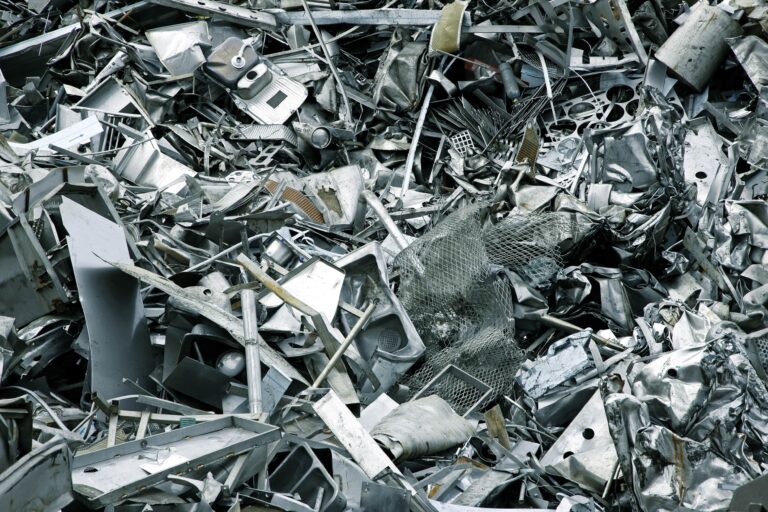
The intersection of metal recycling and environmental compliance is increasingly important for businesses, municipalities, and individuals seeking to manage waste responsibly. As regulations become stricter and sustainability goals more ambitious, understanding how to recycle metals in a way that aligns with environmental standards is essential. This guide explores the practical steps, legal considerations, and best practices for achieving both effective metal recovery and regulatory adherence.
By following proper recycling protocols, organizations can reduce landfill waste, conserve natural resources, and avoid costly penalties. For those interested in the broader impact, learning about how metal recycling reduces landfill waste provides valuable context on the environmental benefits of these efforts.
Understanding the Importance of Responsible Metal Recovery
Metals such as aluminum, copper, steel, and iron are valuable resources that can be recycled repeatedly without losing quality. However, improper handling or disposal can lead to environmental harm, including soil and water contamination. Regulatory bodies at the local, national, and international levels have established frameworks to ensure that the recycling process minimizes negative impacts and maximizes resource efficiency.
Compliance with these regulations is not just a legal obligation—it also supports a circular economy by keeping materials in use and reducing the need for virgin mining. Companies and individuals who prioritize responsible recycling practices contribute to cleaner communities and a healthier planet.
Key Regulations Governing Metal Recycling
Navigating the regulatory landscape is a critical aspect of maintaining environmental compliance in metal recycling. Laws and guidelines vary by region but often include requirements for:
- Proper sorting and storage of recyclable materials
- Safe transportation and documentation of scrap metal
- Prevention of hazardous substance release during processing
- Reporting and record-keeping for traceability
- Obtaining permits for operating recycling facilities
For example, the Resource Conservation and Recovery Act (RCRA) in the United States regulates the management of hazardous and non-hazardous waste, including certain types of metal scrap. The European Union’s Waste Framework Directive sets similar standards for member states. Staying informed about applicable laws is essential for avoiding fines and ensuring safe operations.
Best Practices for Achieving Compliance in Metal Recycling
Adopting best practices helps organizations meet regulatory requirements and operate efficiently. Here are several strategies to enhance both recycling outcomes and compliance:
- Conduct Regular Training: Ensure that staff are educated about safe handling, sorting, and storage procedures. Training should cover the identification of hazardous materials and emergency response protocols.
- Implement Robust Documentation: Maintain detailed records of incoming and outgoing materials, including origin, type, and quantity. This documentation supports traceability and simplifies reporting to authorities.
- Invest in Proper Equipment: Using specialized machinery, such as shredders and separators, can improve efficiency and reduce the risk of environmental contamination. For those seeking to upgrade their operations, consider options like a metal shredding machine.
- Monitor and Audit Processes: Regularly review recycling workflows to identify potential compliance gaps. Internal audits can catch issues before they result in violations or environmental harm.
- Engage with Certified Partners: Collaborate with licensed transporters and downstream processors who adhere to environmental standards. This ensures that materials are handled responsibly throughout the recycling chain.

Environmental Benefits of Proper Metal Recycling
When metal recycling is performed in accordance with environmental standards, the positive impacts are significant. Properly managed recycling processes help:
- Reduce greenhouse gas emissions by lowering the need for raw material extraction
- Conserve energy, as recycled metals require less processing than virgin ores
- Minimize landfill use and prevent leaching of hazardous substances
- Preserve natural habitats by decreasing mining activities
For a deeper look at the advantages, see this comprehensive overview of the benefits of recycling metals. These outcomes not only support regulatory compliance but also contribute to broader sustainability goals.
Challenges and Solutions in Meeting Regulatory Standards
Despite the clear benefits, achieving full compliance can be challenging. Common obstacles include rapidly changing regulations, the complexity of sorting mixed materials, and the risk of contamination from hazardous substances. To address these issues:
- Stay updated on legal requirements through industry associations and government resources
- Invest in advanced sorting technologies to improve material separation
- Establish clear protocols for handling items that may contain hazardous components, such as electronics or batteries
- Consult with environmental compliance experts when expanding or modifying recycling operations
Understanding the processes for recovering metals from electronic waste can help recyclers manage complex streams more effectively and avoid regulatory pitfalls.

Integrating Compliance into Everyday Operations
Making regulatory adherence a core part of daily activities is the most effective way to ensure ongoing success. This means embedding compliance checks into routine workflows, empowering employees to report concerns, and fostering a culture of environmental responsibility.
Many organizations find it helpful to use checklists or digital tracking systems to monitor compliance tasks. Regular communication with local authorities and participation in industry forums can also provide early warnings about regulatory changes or emerging best practices.
For those in construction or manufacturing, understanding the role of metal recycling in the construction industry can reveal additional compliance opportunities and industry-specific guidelines.
Frequently Asked Questions
What are the main environmental regulations affecting metal recycling?
Key regulations include waste management laws such as the Resource Conservation and Recovery Act (RCRA) in the U.S., the European Union’s Waste Framework Directive, and various local ordinances. These rules address safe handling, storage, transportation, and processing of scrap metals to prevent environmental harm.
How can businesses ensure they remain compliant with recycling laws?
Businesses should stay informed about current regulations, provide regular staff training, maintain accurate records, and work with certified recycling partners. Periodic audits and consultations with environmental experts can help identify and address compliance gaps.
What are the benefits of following environmental compliance in metal recycling?
Adhering to regulations reduces the risk of fines and legal issues, protects the environment, conserves resources, and enhances a company’s reputation. It also supports broader sustainability initiatives and can improve operational efficiency.
Conclusion
Aligning metal recycling practices with environmental standards is essential for legal, ethical, and practical reasons. By understanding regulations, implementing best practices, and staying proactive about compliance, organizations and individuals can contribute to a cleaner environment and a more sustainable future. For those interested in the technical side, exploring topics like how metal is melted and purified or the role of foundries in recycling can provide further insight into the full lifecycle of recycled metals.