
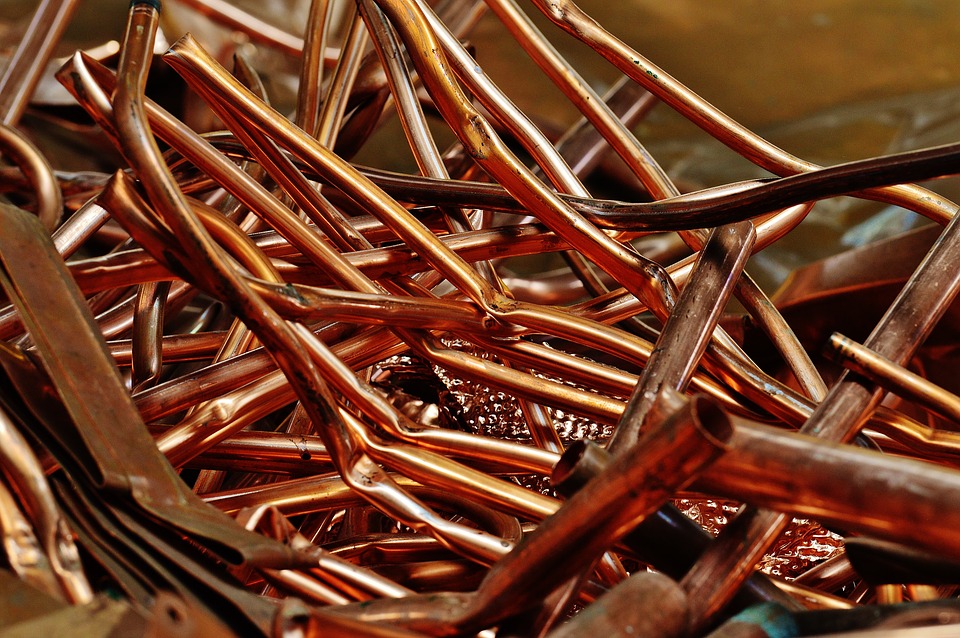
As the world faces mounting environmental challenges, the role of metal recycling and climate change mitigation has become increasingly important. Industrial growth and urbanization have led to a surge in demand for metals, but traditional mining and processing methods are energy-intensive and contribute significantly to greenhouse gas emissions. By reusing and repurposing metals, industries and communities can reduce their carbon footprint, conserve natural resources, and support a more sustainable future.
This article explores how reprocessing metals helps combat global warming, the environmental and economic benefits it brings, and practical ways businesses and individuals can participate. For those working with metals, understanding the environmental impact of manufacturing processes is crucial. If you’re interested in optimizing production while minimizing waste, you may find insights in our guide on best practices for stamping coated steels.
The Environmental Impact of Metal Waste
Discarded metals, if not properly managed, can have a lasting impact on the environment. Mining virgin ores not only depletes finite resources but also leads to deforestation, soil erosion, and water pollution. The extraction and refinement of metals like aluminum, copper, and steel are energy-intensive processes, often powered by fossil fuels. This results in substantial carbon dioxide emissions, contributing to global warming.
Landfills filled with metal waste pose additional risks. Metals can leach into the soil and groundwater, causing contamination that affects both ecosystems and human health. By prioritizing the reuse of metals, we can significantly reduce these negative effects and move towards a circular economy.
How Metal Recycling Reduces Greenhouse Gas Emissions
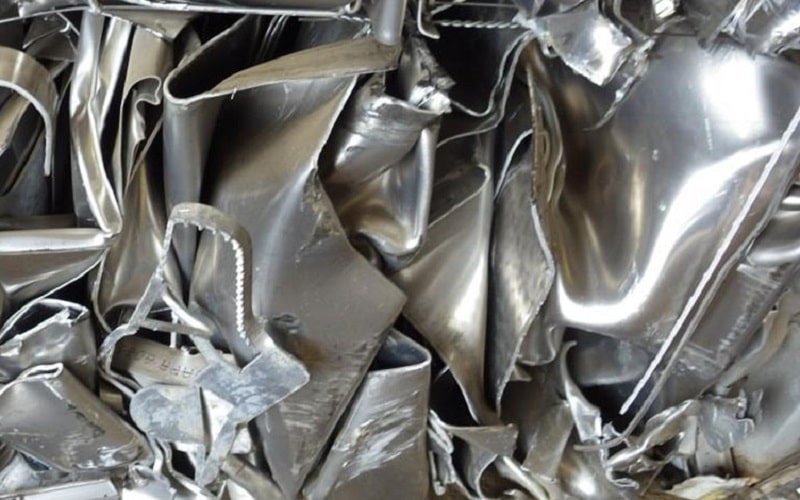
One of the most direct ways that metal recycling supports climate action is by lowering greenhouse gas emissions. Reprocessing metals requires far less energy compared to extracting and refining raw materials. For example, recycling aluminum saves up to 95% of the energy needed to produce it from bauxite ore. This dramatic reduction in energy use translates into fewer emissions released into the atmosphere.
The benefits extend beyond aluminum. Steel, copper, and other metals also see significant energy savings when recycled. According to the EPA, recycling one ton of steel conserves 2,500 pounds of iron ore, 1,400 pounds of coal, and 120 pounds of limestone. These savings add up, making a measurable difference in the fight against climate change.
Types of Metals Commonly Recycled
Many metals can be efficiently recovered and reused, each offering unique benefits for sustainability. The most commonly recycled metals include:
- Aluminum: Found in cans, automotive parts, and construction materials. Highly recyclable and energy-efficient to process.
- Steel: Used in appliances, vehicles, and infrastructure. Recycling steel reduces the need for new iron ore mining.
- Copper: Essential for electrical wiring and plumbing. Reusing copper conserves resources and reduces mining impacts.
- Brass and Bronze: Frequently recovered from fixtures, valves, and decorative items.
For a deeper look at what can be recovered, see this overview of recyclable metal types.
Economic Advantages of Reusing Metals
Beyond environmental benefits, reprocessing metals offers significant economic incentives. Manufacturing products from recycled materials often costs less than using virgin resources. This cost reduction can be passed on to consumers and supports the growth of green jobs in collection, sorting, and processing facilities.
Additionally, recycling helps stabilize the supply of critical materials, reducing dependence on imports and minimizing price volatility. Businesses that adopt sustainable practices often see improved brand reputation and increased customer loyalty, further enhancing their competitive edge.
Challenges and Solutions in the Metal Recycling Industry
While the advantages are clear, there are challenges to scaling up metal recovery efforts. Contamination, inefficient sorting, and lack of public awareness can reduce the quality and quantity of recycled materials. Advanced technologies, such as automated sorting systems and improved shredding machines, are helping to address these issues.

Public education campaigns and incentives for proper sorting at the source can further boost recycling rates. Businesses can also benefit from learning about steel stamping edge quality optimization to maximize material use and minimize waste.
How Individuals and Businesses Can Support Sustainable Practices
Everyone has a role to play in supporting environmental protection through responsible metal management. Here are some practical steps:
- Separate metals from other waste streams at home and in the workplace.
- Participate in local collection programs and drop-off events.
- Purchase products made from recycled materials whenever possible.
- Encourage suppliers and partners to adopt sustainable sourcing and production methods.
- Invest in efficient equipment, such as shredders, to streamline the recycling process.
By making these changes, both individuals and organizations contribute to a cleaner environment and help slow the pace of climate change.
Frequently Asked Questions
What are the main environmental benefits of reprocessing metals?
The primary environmental benefits include reduced greenhouse gas emissions, conservation of natural resources, and less pollution from mining and landfilling. Reusing metals also helps protect ecosystems and reduces the overall energy demand of manufacturing.
How does metal recycling compare to other climate change solutions?
While not the only solution, reusing metals is a highly effective way to cut emissions and resource use. It complements other strategies like renewable energy adoption and energy efficiency improvements, forming a key part of a holistic climate action plan.
Can all metals be recycled indefinitely?
Most metals, including aluminum and steel, can be recycled repeatedly without losing quality. However, some alloys and products with mixed materials may require specialized processes to recover usable metal.
Conclusion
The connection between metal recycling and climate change mitigation is clear: by prioritizing the recovery and reuse of metals, we can significantly reduce emissions, conserve resources, and build a more sustainable future. Whether you’re a manufacturer, business owner, or consumer, supporting responsible metal management is a practical and impactful way to contribute to global climate goals.