
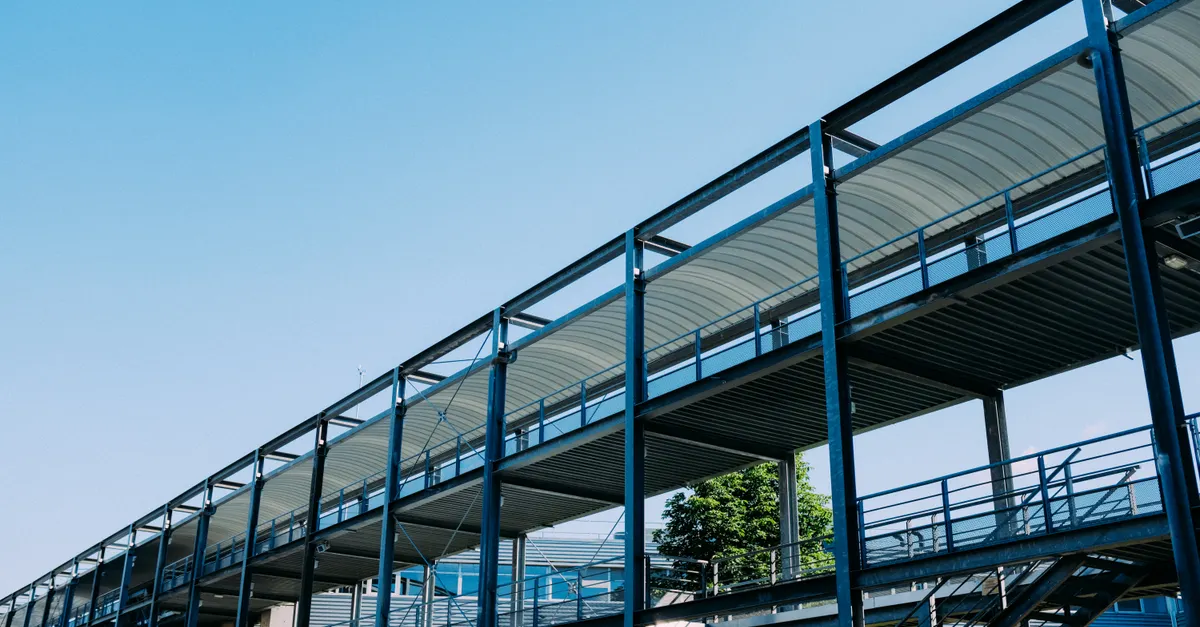
Securing the right insurance coverage is a critical step for anyone investing in metal building systems. These structures, known for their durability and versatility, are used for everything from warehouses to event spaces and even residential projects. However, the process of insuring metal buildings involves unique considerations compared to traditional construction. Understanding the specific requirements, legal implications, and the importance of professional guidance can help owners protect their assets and ensure compliance with local and state regulations.
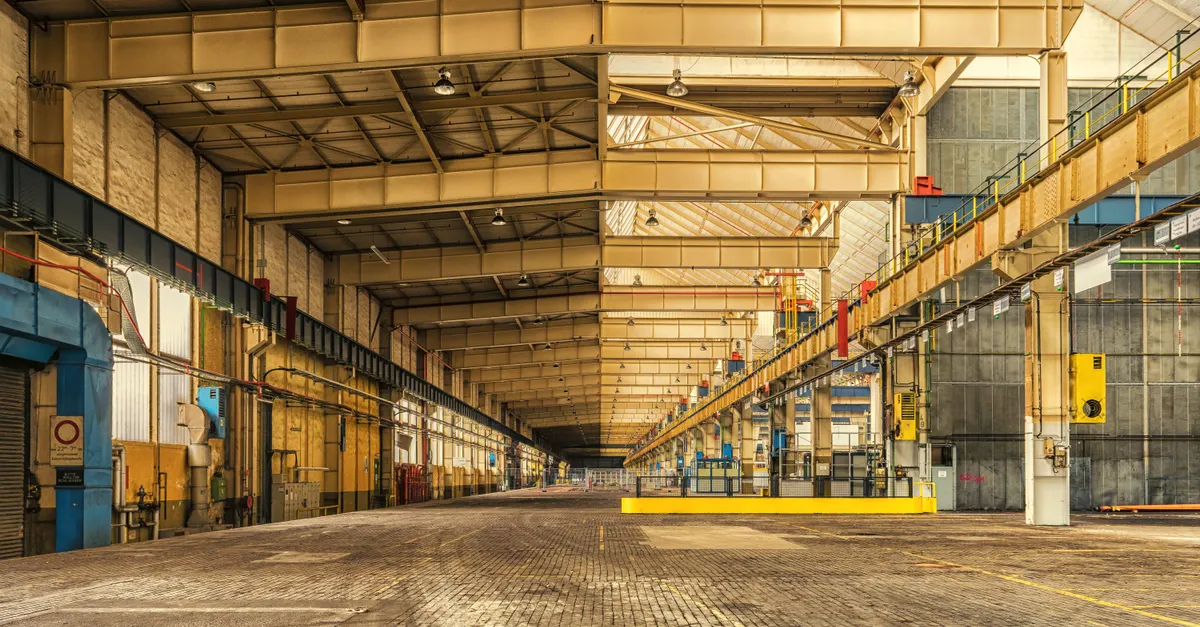
Why Insurance Matters for Metal Building Systems
Insurance serves as a safeguard against unforeseen events that could damage or destroy a metal building, such as fire, severe weather, theft, or liability claims. For owners and operators, having adequate coverage is not just about financial protection—it is often a prerequisite for obtaining financing, meeting legal obligations, and ensuring business continuity. The types of insurance relevant to metal buildings typically include property insurance, liability insurance, and Builder’s Risk insurance during the construction phase. Each policy addresses different risks and stages of the building’s life cycle.
General Insurance Requirements for Metal Buildings
When it comes to metal building systems insurance requirements, insurers generally look for certain baseline criteria before issuing a policy. These requirements are designed to assess the risk profile of the structure and determine the appropriate level of coverage and premium rates. Some of the most common factors include:
- Building materials: The use of steel and other non-combustible materials often results in lower fire risk, which can positively influence insurance premiums. However, insurers will also consider the quality of construction and any additional fire-resistant features.
- Intended use: Whether the building is used for storage, manufacturing, commercial, or residential purposes affects the risk assessment. For example, a facility storing flammable materials may face higher premiums.
- Location: The geographic area, including proximity to fire stations, flood zones, or regions prone to severe weather, plays a significant role in determining coverage needs and costs.
- Security features: The presence of alarms, surveillance systems, and secure access points can reduce the likelihood of theft or vandalism, which may lower premiums.
It’s important to note that while metal buildings are often seen as resilient, insurers may have specific requirements regarding the structure’s foundation, roof type, and compliance with local building codes. Owners should work closely with their insurance provider to ensure all aspects of the building are properly documented and covered.
State-Specific Insurance Considerations
One area often overlooked is the impact of state regulations on insurance requirements for metal building systems. States like California, Florida, Georgia, and Texas each have unique regulatory environments and risk factors that can significantly influence insurance policies.
California
In California, seismic activity is a major concern. Insurers may require additional earthquake coverage for metal buildings, especially in high-risk zones. Compliance with state-mandated seismic building codes is essential, and failure to meet these standards can result in denied claims or higher premiums.
Florida
Florida’s exposure to hurricanes and tropical storms means that wind resistance and storm-proofing are critical. Insurance providers may require documentation that a metal building meets stringent wind-load standards. In some cases, additional flood insurance may be necessary if the property is located in a designated flood zone.
Georgia
Georgia’s insurance requirements for metal buildings are generally influenced by local weather patterns, including the risk of tornadoes and heavy rain. Insurers may look for reinforced construction and proper drainage systems. State-specific regulations may also dictate minimum coverage levels for certain types of commercial or agricultural buildings.
Texas
Texas presents a mix of challenges, from hailstorms to high winds and even wildfires in some regions. Insurance policies may require proof that the metal building system is designed to withstand these hazards. Additionally, Texas has its own set of building codes and insurance standards, particularly for agricultural and industrial structures.
Because regulations and risks vary so widely, it’s essential to consult with a licensed insurance agent familiar with the requirements in your state. This ensures that your policy addresses all relevant risks and complies with local laws.
How Building Materials and Construction Affect Insurance
The choice of materials and construction methods has a direct impact on insurance premiums for metal buildings. Steel structures are often considered lower risk for fire and pest damage compared to wood-framed buildings. However, insurers will evaluate more than just the main frame:
- Roofing: Metal roofs are generally more durable and fire-resistant, which can help reduce premiums. However, insurers may scrutinize the installation quality and maintenance history.
- Wall panels and insulation: The use of non-combustible wall panels and proper insulation can improve energy efficiency and reduce fire risk, both of which are favorable from an insurance perspective.
- Foundation: A properly engineered foundation not only supports the structure but also minimizes risk from shifting soils or water intrusion, which can affect insurability.
For those interested in innovative approaches to construction, exploring modular metal building systems can offer additional benefits in terms of speed, cost, and potentially even insurance considerations, depending on how these systems are engineered and certified.
The Role of Permits and Code Compliance in Insurance
Obtaining the correct building permits and adhering to local code requirements are not just bureaucratic steps—they play a pivotal role in securing and maintaining insurance for metal building systems. Insurers often require proof that a structure was built in accordance with all applicable codes and that the necessary inspections were passed. This documentation can be critical in the event of a claim.
Non-compliance with permits or building codes can lead to serious consequences, including:
- Denial of insurance claims if damage is linked to unapproved modifications or code violations
- Potential fines or legal action from local authorities
- Difficulty obtaining or renewing insurance coverage
Owners should ensure that all construction and modifications are properly permitted and inspected. Keeping detailed records of permits, inspections, and code compliance can streamline the insurance process and provide peace of mind.
Common Exclusions and Limitations in Metal Building Insurance
While insurance policies for metal buildings offer broad protection, there are often exclusions and limitations that owners should be aware of. Common exclusions may include:
- Wear and tear or gradual deterioration
- Damage from unpermitted work or code violations
- Certain natural disasters not covered under standard policies (e.g., earthquakes, floods)
- Intentional damage or neglect
Understanding these exclusions is essential when reviewing policy documents. In some cases, additional riders or specialty policies may be necessary to cover specific risks, such as flood or earthquake insurance.
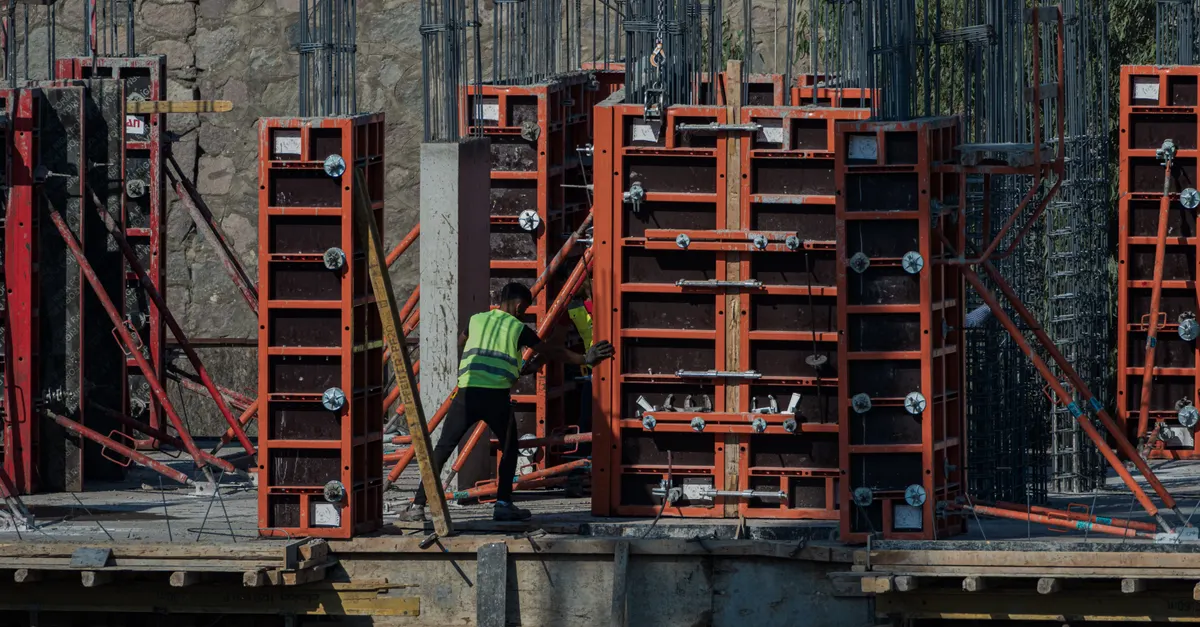
Conclusion and Recommendations
Insuring a metal building system involves more than simply purchasing a standard property policy. Owners must consider general requirements, state-specific regulations, the impact of construction materials, and the importance of permits and code compliance. The best approach is to work with an experienced insurance professional who understands the nuances of metal building systems and the legal landscape in your state.
Key recommendations include:
- Document all aspects of your building’s construction and compliance
- Consult with a licensed insurance agent familiar with local and state regulations
- Review your policy for exclusions and consider additional coverage as needed
- Stay informed about changes in building codes and insurance requirements that may affect your coverage
By taking these steps, owners can ensure their investment is protected and compliant with all relevant legal and insurance standards.
Frequently Asked Questions
What are the general insurance requirements for metal building systems?
General requirements typically include property insurance to cover physical damage, liability insurance for accidents or injuries, and Builder’s Risk insurance during construction. Insurers will assess the building’s materials, intended use, location, and compliance with local codes when determining coverage and premiums.
How do building materials and construction affect insurance premiums?
Metal buildings often benefit from lower premiums due to their fire resistance and durability. However, insurers also consider the quality of construction, type of roof, insulation, and foundation. Features that enhance safety and reduce risk, such as non-combustible materials and secure roofing, can help lower insurance costs.
Are there specific insurance requirements for metal buildings in states like California, Florida, Georgia, and Texas?
Yes, each state has unique regulations and risk factors. For example, California may require earthquake coverage, Florida focuses on wind and flood protection, Georgia considers tornado and rain risks, and Texas addresses hail, wind, and wildfire hazards. Consulting with a local insurance expert is essential to ensure compliance and adequate protection.