
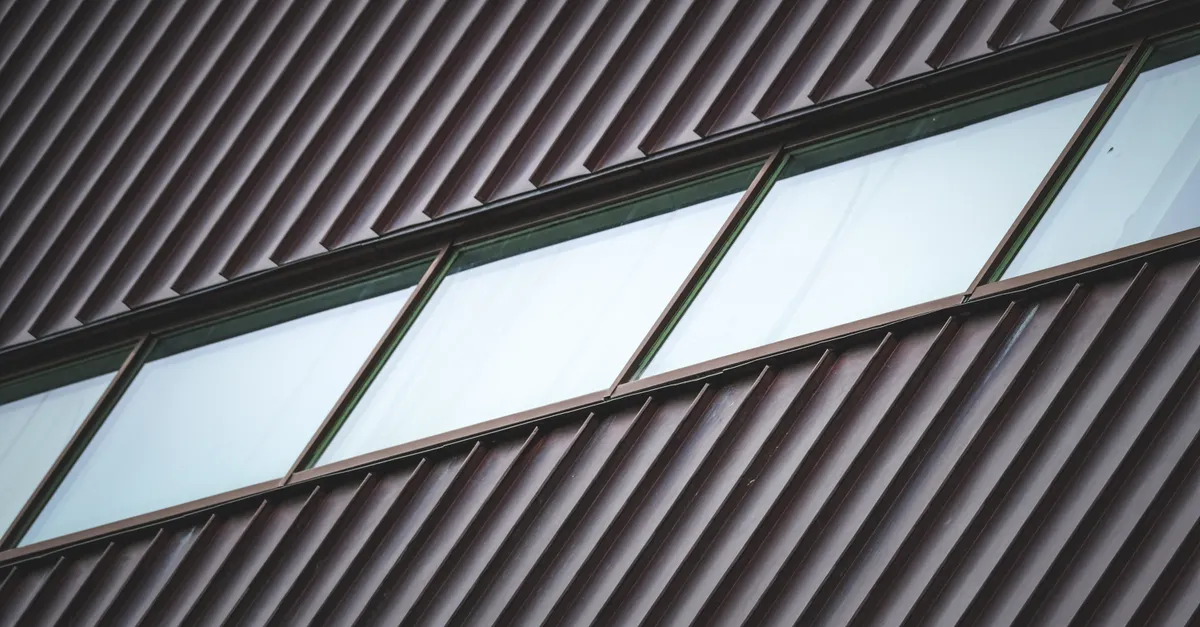
Modular metal building systems have become a popular choice in modern construction, offering a blend of efficiency, durability, and flexibility. These systems are designed to streamline the building process by using prefabricated components that can be quickly assembled on-site. As more industries seek cost-effective and sustainable solutions, understanding the advantages and features of these structures is essential for anyone considering a new construction project.
What Are Modular Metal Building Systems?
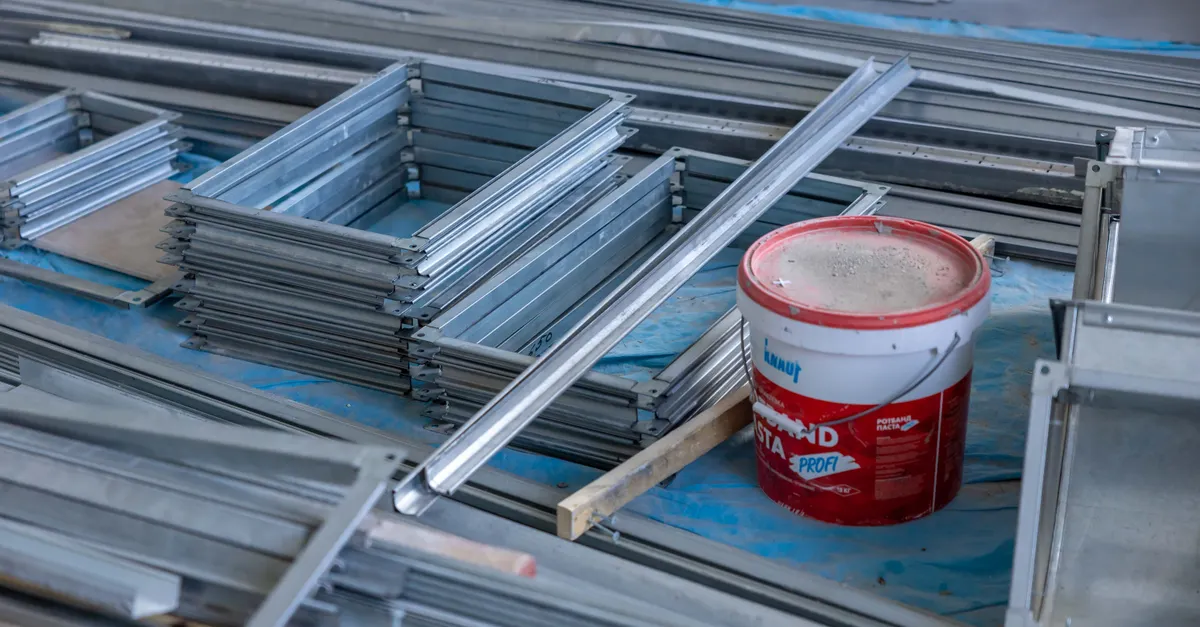
Modular metal building systems refer to structures built from prefabricated metal components, typically steel, that are manufactured off-site and then transported to the construction location for assembly. Unlike traditional construction, where materials are brought to the site and built from the ground up, modular systems use factory-made sections or modules. These modules are engineered for precise fit and function, allowing for rapid installation and minimal on-site labor.
Key industry terms often associated with this approach include prefabricated metal buildings, steel building kits, and systems from well-known manufacturers like Nucor Building Systems, RHINO Steel Building Systems, and Metallic Building Systems. The modular approach is valued for its consistency, quality control, and ability to meet a wide range of design requirements.
Benefits of Modular Metal Building Systems
Choosing modular metal construction offers several notable advantages over conventional building methods. These benefits make them an attractive option for businesses, organizations, and individuals looking for reliable and adaptable structures.
- Cost Efficiency: Prefabrication reduces labor costs and construction time, which often leads to significant savings compared to traditional builds.
- Faster Project Completion: Since modules are produced in a controlled environment and assembled on-site, weather delays and scheduling conflicts are minimized, resulting in quicker project delivery.
- Design Flexibility: Modular systems can be customized to suit various needs, from simple storage units to complex commercial facilities.
- Sustainability: Many modular metal buildings use recyclable materials and generate less waste during construction, supporting environmentally friendly practices.
- Durability: Steel and other metals used in these systems are resistant to pests, fire, and extreme weather, providing long-lasting performance.
For those interested in maximizing energy efficiency, integrating insulated metal building systems can further enhance thermal performance and reduce operational costs.
Comparing Modular Metal Building Systems with Traditional Construction
A detailed comparison between modular metal building systems and conventional construction methods highlights several important differences. Understanding these distinctions can help decision-makers choose the best approach for their needs.
| Aspect | Modular Metal Systems | Traditional Construction |
|---|---|---|
| Construction Time | Significantly reduced due to off-site fabrication and rapid on-site assembly. | Longer timelines, often subject to weather and site conditions. |
| Cost | Lower overall costs from reduced labor and faster completion. | Higher labor and material costs, with potential for overruns. |
| Quality Control | Consistent quality from factory-controlled processes. | Variable, depending on site conditions and labor skill. |
| Environmental Impact | Less waste, more recyclable materials, and energy-efficient options. | More on-site waste and higher resource consumption. |
| Design Flexibility | Highly customizable, with modular expansion possible. | Flexible but may require more time and cost for changes. |
When weighing the pros and cons, modular metal systems often stand out for their speed, cost savings, and sustainability. However, traditional methods may still be preferred for highly specialized or architecturally unique projects.
Pros
- Faster construction and reduced downtime
- Lower labor and material costs
- Consistent quality and fewer defects
- Environmentally friendly with less waste
Cons
- Limited to designs that fit modular parameters
- Initial planning and engineering must be precise
- May require specialized transportation for large modules
Common Applications Across Industries
The versatility of modular metal building systems allows them to be used in a wide array of applications. Their adaptability and durability make them suitable for many sectors:
- Agriculture: Barns, equipment storage, and livestock shelters benefit from the strength and weather resistance of metal structures.
- Commercial: Warehouses, retail outlets, and office spaces can be quickly constructed and easily expanded as business needs change.
- Education: Schools and training centers often use modular metal buildings for classrooms and auxiliary facilities, as seen in solutions like metal building systems for schools.
- Industrial: Manufacturing plants and distribution centers require robust, open spaces that modular metal systems can provide.
- Residential: Some homeowners choose modular metal buildings for garages, workshops, or even modern living spaces.
- Storage: Self-storage facilities and warehouses benefit from the scalability and security of metal construction.
These examples demonstrate the broad utility of modular metal buildings, which can be tailored to meet the demands of virtually any industry.
Key Features to Consider When Choosing a System
Selecting the right modular metal building system involves evaluating several important features. Understanding these aspects ensures the final structure meets both immediate and long-term needs.
- Customization: Look for systems that offer a range of sizes, layouts, and finishing options. Customization allows the building to fit specific operational or aesthetic requirements.
- Durability: High-quality steel and protective coatings enhance resistance to corrosion, pests, and fire, ensuring longevity.
- Ease of Installation: Pre-engineered components should be straightforward to assemble, reducing the need for specialized labor.
- Maintenance: Consider systems that require minimal upkeep, with accessible components for routine inspections and repairs.
- Energy Efficiency: Insulated panels and energy-saving design features can lower heating and cooling costs.
- Expansion Capability: Modular designs should allow for future additions or reconfiguration as needs evolve.
When evaluating options, it’s also helpful to compare prefabricated metal building systems for their specific features and benefits, especially if your project requires rapid deployment or specialized layouts.
Conclusion
Modular metal building systems offer a compelling alternative to traditional construction, combining speed, cost-effectiveness, and sustainability. Their adaptability makes them suitable for a wide range of applications, from agriculture and industry to education and residential use. By understanding the unique benefits and key features of these systems, decision-makers can confidently select solutions that align with their goals and operational requirements. As the demand for efficient and environmentally conscious construction grows, modular metal systems are poised to play an increasingly important role in shaping the built environment.
Frequently Asked Questions
What are the main differences between modular metal buildings and traditional construction?
Modular metal buildings are assembled from prefabricated components, resulting in faster construction times, lower costs, and consistent quality. Traditional construction builds structures on-site from raw materials, which can take longer and may be more susceptible to delays and variable workmanship.
Are modular metal building systems customizable?
Yes, most modular metal systems offer a range of customization options, including size, layout, finishes, and insulation. This flexibility allows them to meet diverse needs across different industries and applications.
What maintenance is required for modular metal buildings?
Maintenance for modular metal buildings is generally minimal. Regular inspections, cleaning, and occasional touch-ups to protective coatings are usually sufficient to keep the structure in good condition. The durability of steel also reduces the risk of issues like pest damage or rot.