
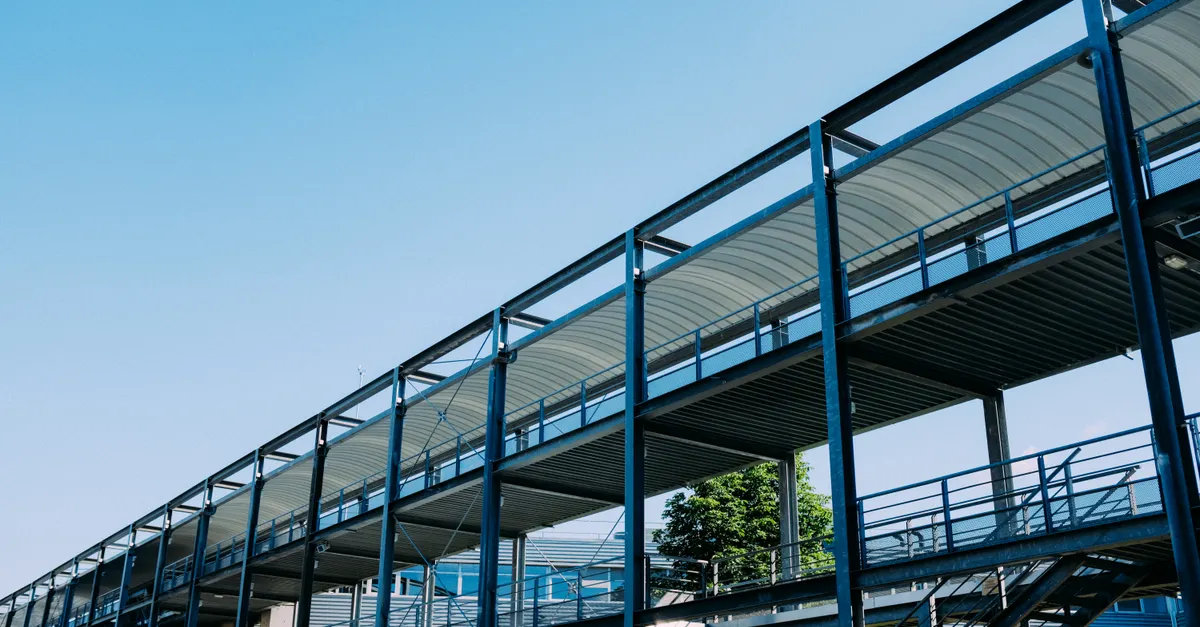
Industrial facilities require structures that are not only robust and long-lasting but also adaptable to changing operational needs. Over recent decades, metal building systems for industrial use have emerged as a preferred solution, offering a blend of cost savings, structural reliability, and design flexibility. This article explores the core benefits of these systems, how they compare to traditional construction methods, and why they are increasingly chosen for a wide range of industrial applications.
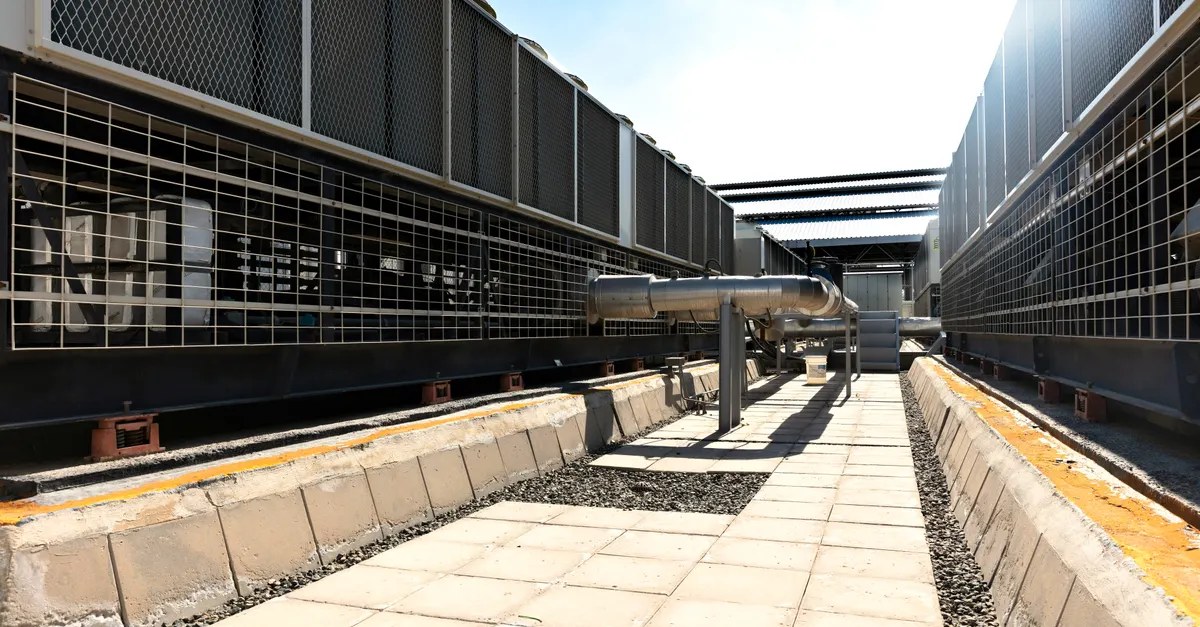
Understanding Metal Building Systems in Industrial Settings
A metal building system refers to a pre-engineered structure primarily composed of steel components that are fabricated off-site and assembled on location. These systems are designed to meet specific project requirements, making them particularly suited to the demands of industrial environments such as manufacturing plants, warehouses, and distribution centers. Their modular nature allows for rapid construction and easy expansion, which is a significant advantage for industries that anticipate growth or operational changes.
The relevance of these systems in industrial contexts lies in their ability to deliver large, unobstructed interior spaces and withstand heavy usage, all while maintaining cost efficiency and durability.
Key Benefits of Metal Building Systems for Industrial Use
When considering construction options for industrial facilities, several advantages set metal building systems apart:
Energy Efficiency and Sustainability
Modern metal building systems are engineered for energy efficiency. According to Nucor Building Systems, these structures can be designed with high-performance insulation and reflective roofing, which help regulate internal temperatures and reduce energy consumption. This not only lowers operational costs but also supports sustainability goals—a growing priority in the industrial sector. For more on this topic, readers can explore further details about metal building systems energy efficiency and how it impacts long-term facility management.
Design Flexibility and Customization
One of the most significant advantages is the design flexibility offered by metal building systems. Industrial operators can customize layouts to accommodate specialized equipment, workflow requirements, or future expansions. Features such as clear-span interiors (spaces without interior columns), variable ceiling heights, and adaptable floor plans make these systems suitable for a broad range of industrial uses.
Structural Stability and Safety
Metal buildings are engineered to meet rigorous safety and stability standards. The use of high-quality steel ensures resistance to fire, pests, and extreme weather conditions. This structural integrity is especially important in industrial settings where heavy machinery, inventory, or hazardous materials may be present.
Speed of Construction
Pre-engineered metal building systems are manufactured off-site, which significantly reduces on-site construction time. This accelerated timeline means industrial operations can begin sooner, minimizing downtime and allowing businesses to respond quickly to market demands.
Cost-Effectiveness
The efficient use of materials and reduced labor requirements make metal building systems a cost-effective choice for industrial projects. Lower maintenance needs and energy savings further contribute to long-term financial benefits.
Comparing Metal Building Systems to Traditional Construction Methods
A crucial consideration for any industrial project is how metal building systems for industrial use stack up against traditional materials like concrete, brick, or wood. Here’s a closer look at the main differences:
Cost Comparison
- Initial Investment: Metal building systems typically have a lower upfront cost due to streamlined manufacturing and assembly processes.
- Lifecycle Costs: Reduced maintenance and repair needs, combined with energy savings, make metal systems more economical over the building’s lifespan.
Durability and Maintenance
- Metal: Resistant to corrosion (when properly coated), pests, fire, and severe weather. Requires minimal maintenance beyond periodic inspections and cleaning.
- Traditional Materials: Concrete and brick are durable but can be prone to cracking, moisture damage, or pest intrusion. Wood requires ongoing treatment to prevent rot and insect damage.
Construction Speed
- Metal: Pre-fabrication allows for rapid assembly, reducing construction time by weeks or even months compared to traditional builds.
- Traditional: On-site construction is often slower, with more variables that can delay project completion.
Flexibility and Expansion
- Metal: Modular design enables easy expansion or reconfiguration as industrial needs evolve.
- Traditional: Modifications can be costly and disruptive, often requiring significant demolition and reconstruction.
Pros and Cons at a Glance
Pros of Metal Building Systems:
- Lower construction and maintenance costs
- Faster project completion
- Superior durability and safety
- Flexible design and easy expansion
- Improved energy efficiency
Cons of Metal Building Systems:
- Potential for corrosion if not properly maintained
- May require specialized contractors for assembly
- Limited aesthetic options compared to some traditional materials
Customization Options for Industrial Facilities
Industrial operations often have unique requirements, and customization options are a major strength of metal building systems. Facilities can be tailored to support specific processes, storage needs, or safety protocols. Some of the most common custom features include:
- Clear-span interiors for unobstructed workspaces
- Variable roof pitches and wall heights
- Specialized doors, windows, and loading bays
- Integrated crane systems or mezzanines
- Insulation packages for temperature-sensitive operations
- Exterior finishes and architectural details to match corporate branding
These options allow industrial users to create environments optimized for efficiency, safety, and future scalability. For a deeper dive into the latest innovations, readers may find value in exploring metal building systems design trends.
Industrial Applications Best Suited to Metal Building Systems
The versatility of metal building systems for industrial use makes them ideal for a wide range of applications, including:
- Manufacturing plants requiring open floor plans and heavy equipment support
- Warehouses and distribution centers needing large, clear-span storage areas
- Workshops and fabrication facilities with specialized ventilation or crane systems
- Cold storage or temperature-controlled environments
- Vehicle maintenance garages and fleet storage
Their adaptability ensures that as operational needs change, the building can be modified or expanded with minimal disruption.
Frequently Asked Questions
What are the main advantages of metal building systems in industrial settings?
The primary benefits include cost savings, rapid construction, durability, and the ability to customize layouts for specific industrial processes. Energy efficiency and low maintenance requirements also make them attractive for long-term use.
How do metal building systems compare to traditional materials in terms of durability?
Metal systems are engineered for strength and resilience, offering superior resistance to fire, pests, and weather compared to wood or unreinforced masonry. With proper coatings and maintenance, they can outlast many traditional structures.
Are metal building systems environmentally friendly?
Yes, many metal building systems are designed with sustainability in mind. They often use recycled steel, incorporate energy-efficient insulation, and can be fitted with solar panels or other green technologies. For more on this, see the discussion of metal building systems environmental impact.
Conclusion
For industrial operators seeking a balance of performance, adaptability, and cost control, metal building systems present a compelling solution. Their combination of energy efficiency, structural reliability, and customizable design makes them well-suited to the demands of modern industry. By carefully weighing these advantages against traditional construction methods, businesses can make informed decisions that support both immediate operational needs and long-term growth.