
Modern engineering demands solutions that balance strength, efficiency, and sustainability. As industries push for lighter, more durable products, lightweight metal design strategies have become a cornerstone for innovation across automotive, aerospace, construction, and consumer goods sectors. This article explores practical approaches to reducing weight without sacrificing performance, highlighting material selection, advanced manufacturing, and environmental considerations.
Engineers today face increasing pressure to optimize both the function and environmental impact of their designs. By leveraging advanced methods and materials, professionals can achieve substantial weight reductions, lower costs, and meet stringent regulatory requirements. For those interested in the broader sustainability context, our guide on industrial sustainability case studies metals offers real-world examples of successful implementation in the metals industry.
Core Principles of Lightweight Metal Engineering
At the heart of effective lightweighting is a deep understanding of both material science and structural mechanics. The goal is to minimize mass while maintaining or improving strength, durability, and safety. This often involves a combination of the following principles:
- Material substitution: Replacing traditional metals with lighter alternatives such as aluminum, magnesium, or titanium alloys.
- Topology optimization: Using simulation and modeling to remove unnecessary material from non-critical areas.
- Hybrid structures: Combining metals with composites or polymers for optimal performance-to-weight ratios.
- Manufacturing innovation: Employing advanced forming, joining, and additive manufacturing techniques.
Choosing the Right Materials for Weight Reduction
Selecting the appropriate metal is a critical step in any lightweighting project. Each material offers unique benefits and trade-offs:
- Aluminum alloys: Widely used for their excellent strength-to-weight ratio, corrosion resistance, and formability. Common in automotive frames, aircraft structures, and consumer electronics.
- Magnesium alloys: Even lighter than aluminum, magnesium is ideal for applications where extreme weight savings are necessary. However, it requires careful handling due to its reactivity and lower ductility.
- Titanium alloys: Known for their high strength, low density, and exceptional corrosion resistance. Titanium is often chosen for aerospace, medical, and high-performance sports equipment.
- Advanced high-strength steels (AHSS): These steels provide significant weight reduction compared to conventional grades while maintaining cost-effectiveness and manufacturability.
Material selection should always consider factors such as mechanical properties, cost, availability, recyclability, and compatibility with existing manufacturing processes.
Design Optimization Techniques for Lightweight Metals
To fully realize the benefits of lightweight metals, engineers employ a range of optimization strategies throughout the design process. These include:
- Finite Element Analysis (FEA): Simulating stress, strain, and deformation to identify areas for material reduction without compromising safety.
- Topology optimization: Algorithmic removal of non-essential material, resulting in organic, efficient shapes that are often manufactured using additive techniques.
- Sectional redesign: Replacing solid sections with hollow profiles, ribs, or honeycomb structures to maintain rigidity while reducing mass.
- Joining and fastening innovation: Using advanced welding, riveting, or adhesive bonding methods to connect dissimilar materials or thin-walled sections effectively.
These approaches not only reduce weight but can also lower production costs and improve product performance. For further insights on minimizing waste during fabrication, see our article on best practices for metal waste reduction.
Manufacturing Advances Supporting Lightweighting
Recent progress in manufacturing technologies has made it easier to implement lightweight metal design strategies at scale. Notable advancements include:
- Additive manufacturing (3D printing): Enables the creation of complex, weight-optimized geometries that are impossible with traditional subtractive methods.
- Hydroforming and superplastic forming: Allow for the efficient shaping of thin-walled metal components with minimal joins and high strength.
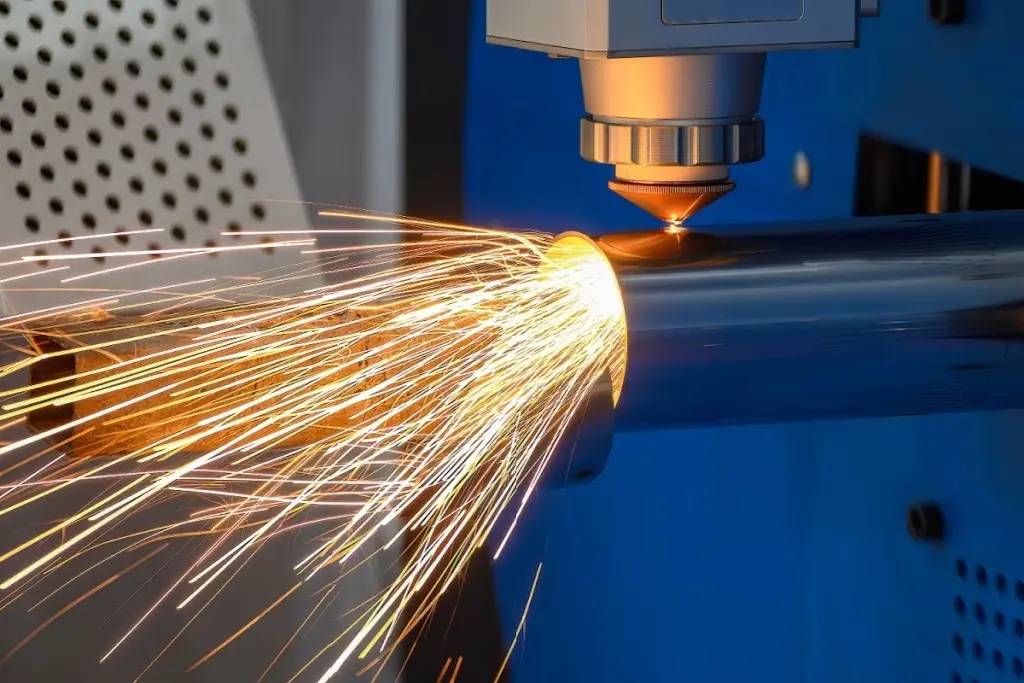
- Laser welding and friction stir welding: Provide strong, precise joints for lightweight alloys, reducing the need for heavy fasteners.
- Automated quality control: Digital inspection tools ensure that lightweight components meet strict tolerances and performance criteria.
By integrating these technologies, manufacturers can deliver lighter, more efficient products with shorter lead times and greater design flexibility.
Environmental and Sustainability Considerations
Reducing the weight of metal products not only improves efficiency but also supports environmental goals. Lighter vehicles, for example, consume less fuel and emit fewer greenhouse gases. In construction, using less material means lower embodied energy and resource consumption.
Sustainability in lightweighting goes beyond just material savings. Responsible sourcing, recycling, and end-of-life management are essential. For a deeper dive into responsible practices, our environmental responsibility in steel companies guide provides actionable steps for engineers and manufacturers.
Recycling is a key part of the sustainability equation. Engineers should design products for easy disassembly and recycling, and consider the use of recycled metals where possible. For more on this topic, see how to recycle metal and reduce industrial waste for practical strategies that can be integrated into the design process.
Case Studies: Real-World Lightweighting Success
Many industries have already realized significant benefits from adopting lightweight design principles:
- Automotive: The shift to aluminum and high-strength steel has enabled automakers to meet fuel efficiency standards without compromising safety or performance.
- Aerospace: Aircraft manufacturers use titanium and composite-metal hybrids to reduce weight, increase payloads, and lower operating costs.
- Consumer electronics: Lighter, more durable casings made from magnesium and aluminum alloys improve portability and user experience.
For more examples of how these principles are applied in practice, explore our article on advanced materials recovery systems for insights into resource efficiency and innovation in metal plants.
Frequently Asked Questions
What are the main benefits of lightweight metal design?
The primary advantages include improved energy efficiency, reduced material costs, enhanced product performance, and easier compliance with environmental regulations. Lighter components also contribute to lower transportation costs and a smaller carbon footprint.
How do engineers ensure strength is not compromised when reducing weight?
Engineers use simulation tools like FEA, select high-performance alloys, and optimize geometry to maintain or even improve structural integrity. Advanced joining and manufacturing techniques further support the creation of robust, lightweight assemblies.
Are lightweight metals more expensive than traditional materials?
While some lightweight alloys may have higher upfront costs, the overall savings from reduced material usage, improved efficiency, and lower lifecycle expenses often offset the initial investment. Additionally, advances in manufacturing and recycling are making these materials more accessible and cost-effective.
Conclusion
Adopting lightweight metal design strategies is essential for engineers aiming to create efficient, sustainable, and high-performing products. By carefully selecting materials, optimizing designs, and embracing advanced manufacturing, professionals can meet the demands of modern industry while supporting environmental goals. For those seeking to stay ahead in the field, continuous learning and collaboration with material scientists, manufacturers, and sustainability experts will be key to future success.