
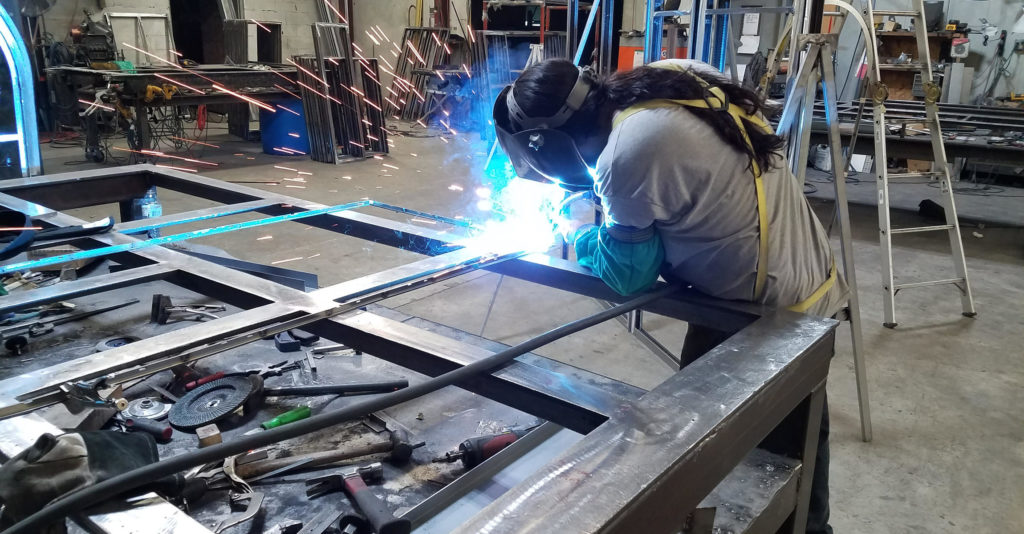
When evaluating laser cutting vs plasma cutting environment factors, it’s important to understand how each process impacts the workspace, operator safety, and overall sustainability. Both technologies are widely used for metal fabrication, but their environmental requirements and effects differ significantly. This article explores these differences to help manufacturers, shop owners, and engineers make informed decisions based on real-world considerations.
In addition to technical performance, the choice between these two cutting methods can influence air quality, noise levels, energy consumption, and even regulatory compliance. Understanding these aspects is crucial for businesses aiming to optimize productivity while maintaining a safe and eco-friendly workplace. For those interested in related fabrication processes, reviewing best practices for stamping coated steels can provide further insight into maintaining material quality and safety.
Key Environmental Considerations for Laser and Plasma Cutting
Both laser and plasma cutting systems require careful planning regarding their environmental impact. The main areas of concern include air quality, noise, energy use, and waste management. Each technology has unique characteristics that affect these factors differently.
- Air Quality: Fume and particulate generation varies between the two methods.
- Noise Levels: The amount of noise produced can influence operator comfort and regulatory compliance.
- Energy Consumption: Power requirements affect operational costs and sustainability.
- Waste and Byproducts: The type and amount of waste generated differ by process.
Air Quality and Fume Extraction
One of the most significant differences in the laser cutting vs plasma cutting environment is the type and quantity of fumes produced. Laser systems, especially those using fiber lasers, tend to generate less particulate matter compared to plasma systems. However, both processes require effective fume extraction and filtration to protect operators and maintain compliance with workplace safety regulations.
Laser Cutting: Cleaner Air, Lower Emissions
Laser machines typically use a focused beam to vaporize or melt material, resulting in minimal dross and relatively low fume production. The fumes produced are often finer and may contain vaporized metal and other compounds, depending on the material being cut. High-quality extraction systems with HEPA filters are recommended to capture these particles and prevent them from entering the workspace.
Plasma Cutting: Heavier Fume and Dust Generation
Plasma systems operate at higher temperatures and use ionized gas to cut through metal, which can create more visible smoke, dust, and larger particulate matter. This means that plasma cutting environments require more robust ventilation and extraction solutions. In some cases, water tables are used beneath the cutting area to help capture particulates and reduce airborne contaminants.
Noise Levels and Operator Comfort
Another important aspect of the laser cutting vs plasma cutting environment is noise. Excessive noise not only affects operator comfort but can also lead to hearing loss and increased stress if not properly managed.
Laser Cutting: Quieter Operation
Laser cutters are generally much quieter than plasma cutters. The primary sources of noise are the movement of the cutting head and the ventilation system, both of which are usually well-contained. This makes laser systems suitable for environments where noise control is a priority, such as educational facilities or workshops located near office spaces.
Plasma Cutting: Higher Decibel Levels
Plasma cutting is inherently louder due to the high-velocity gas and arc used to cut through metal. The noise can exceed safe exposure limits, requiring operators to use hearing protection and, in some cases, additional soundproofing measures in the workspace. This is a critical consideration for shops located in noise-sensitive areas or those seeking to improve overall working conditions.
Energy Consumption and Sustainability
Energy use is a growing concern for manufacturers seeking to reduce costs and minimize their environmental footprint. The power requirements for each cutting method can vary significantly, impacting both operational expenses and sustainability goals.
Laser Cutting: Efficient Power Usage
Modern fiber laser systems are known for their energy efficiency. They convert a high percentage of input power into the cutting process, resulting in lower electricity consumption per unit of material processed. This efficiency can translate into cost savings and a smaller carbon footprint, especially for high-volume operations.
Plasma Cutting: Higher Power Demand
Plasma cutters, particularly older or less advanced models, tend to use more electricity. The process requires significant energy to generate and maintain the plasma arc, which can increase utility costs and environmental impact. For businesses prioritizing sustainability, investing in newer, more efficient plasma systems or considering alternative cutting methods may be worthwhile.
For more information on sustainable practices in metal fabrication, resources such as eco-friendly manufacturing strategies can provide valuable guidance on reducing environmental impact.
Waste Management and Byproducts
The type and volume of waste generated by each cutting method also play a role in environmental planning. Laser systems typically produce less dross and slag, resulting in cleaner cuts and less post-processing waste. Plasma cutting, on the other hand, often leaves more residue that must be collected and disposed of properly.
- Laser Cutting: Minimal dross, less cleanup, and easier recycling of scrap material.
- Plasma Cutting: More slag and dross, requiring additional handling and disposal measures.
Effective waste management not only improves shop cleanliness but also supports compliance with environmental regulations and reduces disposal costs.
Workplace Safety and Compliance
Safety is a top priority in any fabrication environment. Both laser and plasma cutting require protective measures, but the risks differ. Laser systems pose hazards related to high-intensity light and potential eye injury, necessitating the use of proper shielding and eye protection. Plasma systems, meanwhile, present risks from hot metal, sparks, and higher noise levels.
Ensuring that all operators are trained in safe handling procedures and that the workspace is equipped with appropriate safety gear is essential. For those managing steel stamping or secondary operations, reviewing steel stamping secondary operation considerations can further enhance workplace safety protocols.
Choosing the Right Cutting Environment for Your Needs
Selecting between these two cutting technologies depends on a combination of factors, including the type of materials processed, desired cut quality, production volume, and environmental priorities. Laser systems are often preferred for precision work, lower emissions, and quieter operation, while plasma systems may be chosen for their speed and ability to handle thicker materials, despite higher noise and fume production.
Ultimately, the best choice will align with your facility’s specific requirements for air quality, energy efficiency, waste management, and operator safety. Regularly reviewing and updating your shop’s environmental controls and safety practices will help maintain compliance and support long-term productivity.
Frequently Asked Questions
Which cutting method is more environmentally friendly?
Laser cutting is generally considered more environmentally friendly due to its lower energy consumption, reduced fume production, and minimal waste. However, the overall impact depends on the specific equipment and processes used.
How can I improve air quality in my cutting shop?
Investing in high-quality fume extraction and filtration systems is essential for both laser and plasma cutting environments. Regular maintenance of these systems and proper shop ventilation will further enhance air quality and operator safety.
What safety measures are required for operators?
Operators should use appropriate personal protective equipment, including eye protection for laser systems and hearing protection for plasma systems. Training on safe operation, emergency procedures, and regular equipment inspections are also critical for maintaining a safe workplace.