
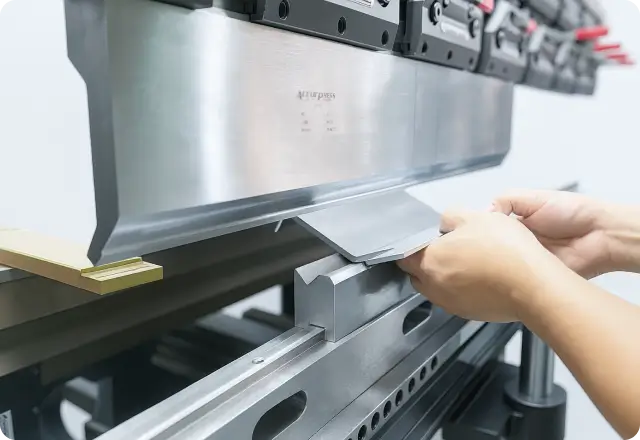
The rapid evolution of manufacturing is being shaped by the integration of digital technologies and a growing emphasis on environmental responsibility. Industry 4.0 sustainable fabrication represents this convergence, where smart automation, data-driven processes, and eco-friendly practices are transforming how products are designed, produced, and delivered. This article explores the core concepts, benefits, and real-world applications of these advanced manufacturing methods, helping businesses and professionals understand how to adapt and thrive in a greener industrial landscape.
As companies seek to reduce waste, lower emissions, and optimize resource use, the adoption of intelligent systems and sustainable strategies has become essential. Whether you are involved in metalworking, electronics, automotive, or any other sector, understanding these trends is crucial for long-term competitiveness and compliance with evolving regulations.
For those working in steel stamping and related fields, exploring how to optimize scrap chute angles can further enhance both efficiency and sustainability within modern fabrication environments.
Key Principles of Smart and Sustainable Manufacturing
At the heart of Industry 4.0 sustainable fabrication are several foundational principles that drive innovation and efficiency. These include:
- Digitalization: The use of sensors, cloud computing, and real-time data analytics enables precise monitoring and control of manufacturing processes.
- Automation: Robotics and intelligent machinery reduce manual intervention, minimize errors, and improve consistency.
- Resource Optimization: Advanced planning tools and simulation software help manufacturers use materials and energy more efficiently, reducing waste and costs.
- Eco-friendly Materials: The shift toward recyclable, biodegradable, or low-impact materials supports circular economy goals.
- Lifecycle Thinking: Considering the environmental impact of products from design through end-of-life encourages responsible production and recycling.
These principles are not just theoretical—they are being implemented in factories worldwide, leading to measurable improvements in both productivity and environmental performance.
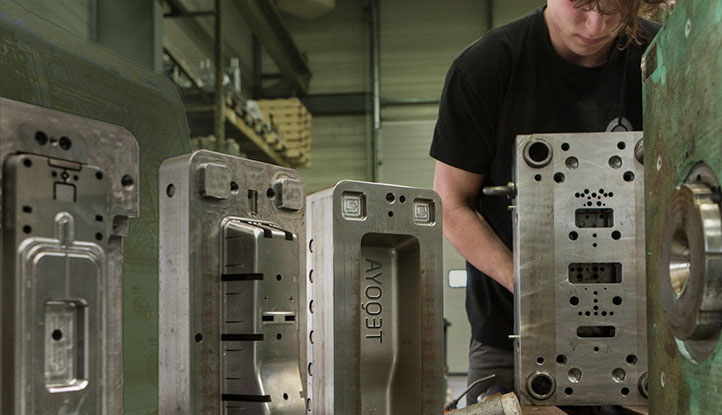
Technologies Powering the Next Generation of Fabrication
Modern manufacturing relies on a suite of interconnected technologies that enable both smart operations and sustainability. Some of the most impactful innovations include:
Internet of Things (IoT) and Real-Time Monitoring
IoT devices collect and transmit data from machines, tools, and products throughout the production line. This information allows for predictive maintenance, energy management, and rapid response to quality issues, all of which contribute to more sustainable operations.
Artificial Intelligence and Machine Learning
AI-driven analytics help manufacturers identify inefficiencies, forecast demand, and optimize supply chains. Machine learning algorithms can also suggest process improvements that reduce energy consumption and material waste.
Advanced Robotics and Automation
Robots equipped with AI and vision systems can handle complex tasks with high precision. This reduces scrap rates, improves product quality, and allows for safer, more ergonomic workplaces.
Additive Manufacturing (3D Printing)
3D printing enables the creation of parts with minimal material waste and supports the use of recycled or bio-based feedstocks. It also allows for rapid prototyping and on-demand production, reducing inventory and transportation needs.
Digital Twins and Simulation
Digital twins are virtual replicas of physical assets or processes. They allow manufacturers to simulate changes, predict outcomes, and test sustainability strategies before implementing them in the real world.
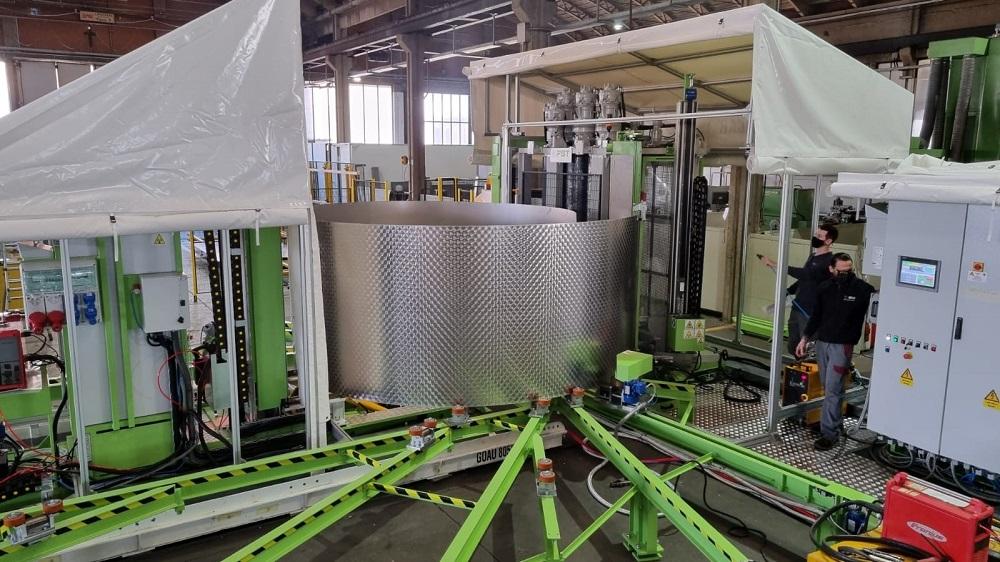
Environmental Benefits of Digital Fabrication Approaches
Adopting Industry 4.0 sustainable fabrication methods brings tangible environmental advantages. These include:
- Reduced Energy Consumption: Smart sensors and AI-driven controls optimize machine usage, cutting down on unnecessary power use.
- Lower Material Waste: Precision manufacturing and real-time quality checks minimize defects and scrap.
- Cleaner Production: Automation reduces the need for hazardous chemicals and manual handling, improving workplace safety and air quality.
- Improved Recycling and Reuse: Digital tracking of materials and parts supports closed-loop systems, where resources are recovered and reused.
For example, companies in the metalworking sector are increasingly adopting greener approaches to crafting metal, leveraging digital tools to monitor emissions, manage scrap, and select more sustainable alloys.
Challenges and Considerations for Implementation
While the benefits are clear, transitioning to advanced, eco-friendly manufacturing is not without its hurdles. Key challenges include:
- Upfront Investment: The cost of new equipment, software, and training can be significant, especially for small and medium-sized enterprises.
- Integration Complexity: Connecting legacy systems with new digital platforms often requires careful planning and technical expertise.
- Data Security: Increased connectivity raises concerns about cybersecurity and the protection of proprietary information.
- Workforce Skills: Employees need ongoing training to operate and maintain advanced machinery and interpret data analytics.
Despite these obstacles, many manufacturers find that the long-term savings, regulatory compliance, and market advantages outweigh the initial challenges. Adopting best practices, such as those outlined in best practices for stamping coated steels, can help ease the transition and maximize the benefits of digital transformation.
Real-World Applications and Success Stories
Across industries, companies are demonstrating how smart, sustainable fabrication can deliver both environmental and business value. Examples include:
- Automotive: Automakers are using digital twins to optimize assembly lines, reducing energy use and emissions while improving vehicle quality.
- Electronics: Manufacturers employ AI-driven defect detection to minimize scrap and ensure responsible sourcing of rare materials.
- Metal Fabrication: Sheet metal shops implement IoT-enabled machines for real-time monitoring, leading to better yield and less waste.
- Consumer Goods: Brands leverage additive manufacturing to produce customized products on demand, reducing overproduction and inventory waste.
These case studies highlight the versatility and impact of digital, eco-conscious manufacturing strategies in today’s competitive market.
Future Trends in Eco-Friendly Manufacturing
The journey toward smarter, greener production is ongoing. Emerging trends to watch include:
- Decentralized Manufacturing: Distributed production networks, enabled by digital platforms, reduce transportation emissions and support local economies.
- AI-Driven Sustainability: Advanced analytics will play a greater role in optimizing supply chains and predicting environmental impacts.
- Greater Material Circularity: Closed-loop systems and improved recycling technologies will further reduce resource consumption.
- Collaborative Robotics: Human-robot teams will enhance flexibility and safety, supporting both productivity and sustainability goals.
Staying informed about these developments and continuously improving processes will be key for manufacturers aiming to lead in the era of digital, sustainable production.
Frequently Asked Questions
What is the main goal of Industry 4.0 sustainable fabrication?
The primary objective is to combine advanced digital technologies with environmentally responsible practices, resulting in efficient, low-impact manufacturing processes that benefit both businesses and the planet.
How does automation contribute to sustainability in manufacturing?
Automation reduces manual errors, optimizes resource use, and enables precise control over production. This leads to less waste, lower energy consumption, and improved product quality.
Can small manufacturers benefit from adopting these technologies?
Yes, even small and medium-sized enterprises can see significant gains by implementing digital tools and sustainable practices. Many solutions are scalable and can be tailored to fit different budgets and production needs.
As the landscape of manufacturing continues to evolve, embracing Industry 4.0 sustainable fabrication is not just a trend but a necessity for those seeking to remain competitive, compliant, and environmentally responsible. By leveraging digital innovation and eco-friendly strategies, manufacturers can unlock new levels of efficiency and contribute to a more sustainable future.