
Efficient recycling depends on more than just collecting waste—how materials are separated and prepared for processing plays a pivotal role in the overall success of recycling systems. The importance of sorting in recycling efficiency is often underestimated, yet it is fundamental for maximizing resource recovery, reducing contamination, and ensuring that recycled materials meet quality standards for reuse in manufacturing. Understanding the principles and benefits of proper sorting can help businesses, municipalities, and individuals contribute to a more sustainable and cost-effective recycling process.
For those involved in metalworking or industrial manufacturing, sorting is especially critical. It not only impacts the quality of recycled output but also influences operational costs and compliance with environmental regulations. If you’re interested in optimizing your own processes, you may also want to review best practices for stamping coated steels to minimize material loss and damage during production.
Why Material Separation Matters in Recycling
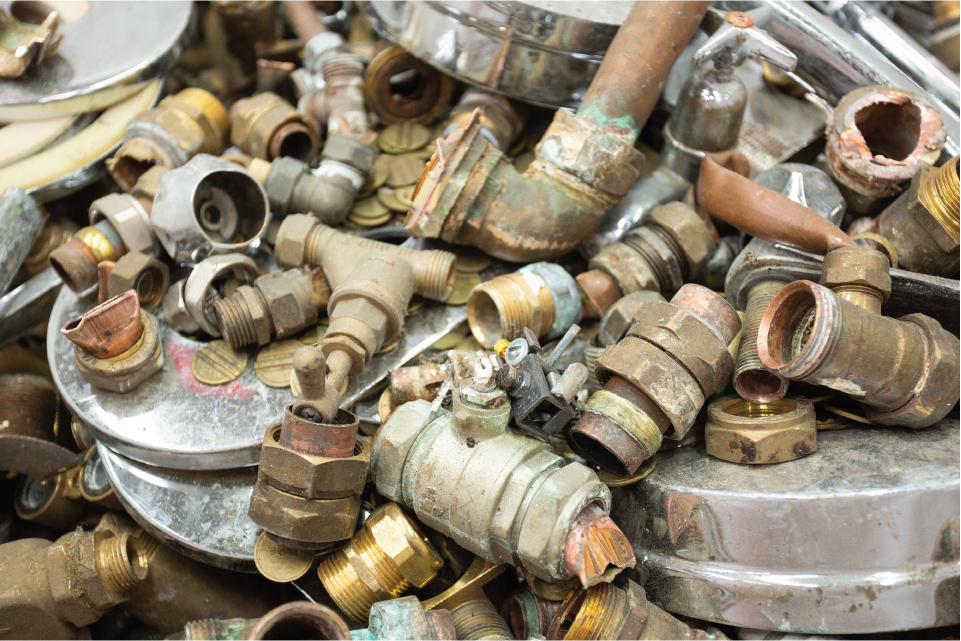
The process of sorting waste materials—whether at the source or at a recycling facility—directly affects the efficiency and effectiveness of recycling operations. When materials are properly separated, contamination is minimized, which leads to higher-quality recycled products and greater market value. Contaminated loads, on the other hand, can result in entire batches being sent to landfill, negating the environmental benefits of recycling.
In the context of metals, for example, mixing ferrous and non-ferrous metals can complicate the recycling process, requiring additional labor and machinery to separate them later. This not only increases operational costs but also reduces the purity and usability of the final recycled product.
Key Benefits of Proper Sorting for Enhanced Recycling Efficiency
Implementing effective sorting strategies brings several advantages to both recycling facilities and the broader environment. Here are some of the most significant benefits:
- Reduced Contamination: Keeping materials like plastics, metals, glass, and paper separate ensures that each stream remains clean and suitable for processing.
- Higher Recovery Rates: Well-sorted recyclables are more likely to be fully processed and reused, reducing the volume of waste sent to landfills.
- Lower Processing Costs: When materials arrive pre-sorted, facilities can process them more efficiently, saving on labor and equipment expenses.
- Improved Product Quality: Manufacturers using recycled materials benefit from higher-quality inputs, which can enhance the performance and durability of their products.
- Environmental Impact: Efficient sorting conserves natural resources, reduces greenhouse gas emissions, and supports a circular economy.
How Sorting Improves the Recycling of Metals
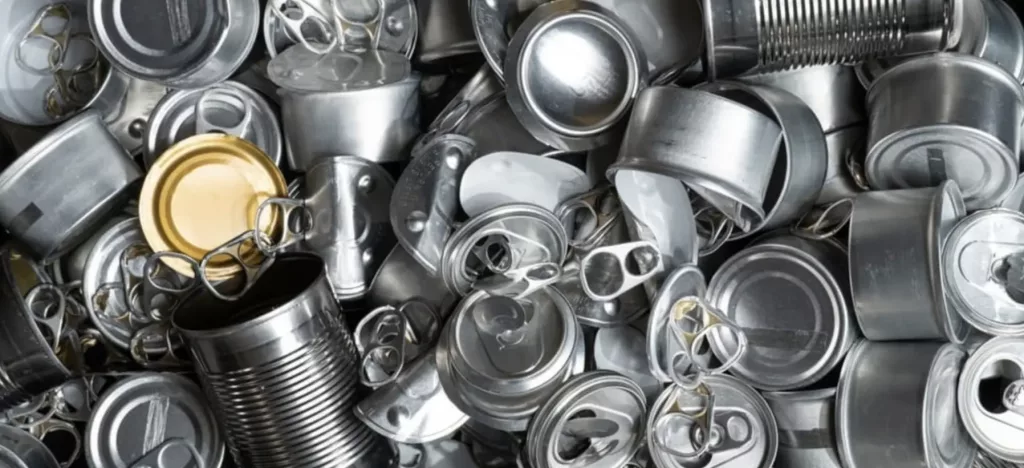
Metals are among the most valuable and widely recycled materials worldwide. However, their value and reusability depend heavily on how well they are sorted before processing. For example, separating aluminum from steel or copper from brass ensures that each metal can be melted down and repurposed with minimal loss of quality.
According to industry resources on the benefits of recycling metals, efficient sorting not only conserves energy but also reduces the need for virgin ore extraction, which is both environmentally damaging and resource-intensive. Proper separation also allows for the recovery of rare or precious metals that might otherwise be lost in mixed waste streams.
Sorting Technologies and Methods for Better Recycling Outcomes
Modern recycling facilities employ a combination of manual and automated sorting techniques to maximize efficiency. Some of the most common methods include:
- Manual Sorting: Workers visually inspect and separate materials on conveyor belts, removing contaminants and ensuring proper categorization.
- Magnetic Separation: Magnets are used to extract ferrous metals from mixed waste streams.
- Eddy Current Separation: This technique uses magnetic fields to separate non-ferrous metals like aluminum and copper.
- Optical Sorting: Advanced sensors and cameras identify materials based on color, shape, and composition, allowing for precise separation of plastics, glass, and metals.
- Density-Based Separation: Materials are sorted based on their weight and density, which is particularly useful for separating different types of plastics or metals.
The integration of these technologies not only improves the speed and accuracy of sorting but also reduces the reliance on manual labor, lowering costs and minimizing human error.
Challenges and Solutions in Achieving High Sorting Standards
Despite the clear advantages, achieving optimal sorting is not without its challenges. Common obstacles include lack of public awareness, inadequate infrastructure, and the presence of complex or composite materials that are difficult to separate. For businesses in the metalworking sector, investing in staff training and modern equipment can make a significant difference.
For example, understanding how to train operators for steel stamping safety can help prevent contamination and improve the quality of scrap metal collected for recycling. Similarly, adopting best practices in secondary operations and runoff management can further enhance the purity and value of recyclable materials.
Practical Steps to Improve Sorting for Better Recycling Efficiency
Whether you’re managing a recycling facility, running a manufacturing plant, or simply sorting waste at home, there are several practical steps you can take to boost the effectiveness of your efforts:
- Educate staff and the public on the importance of separating materials at the source.
- Label bins clearly to reduce confusion and contamination.
- Invest in modern sorting equipment, such as shredders and separators, to automate and streamline the process.
- Regularly audit your sorting practices to identify areas for improvement.
- Stay informed about new technologies and industry standards for recycling and material recovery.
By following these steps, organizations and individuals can contribute to a more efficient and sustainable recycling ecosystem.
Frequently Asked Questions
What types of materials benefit most from proper sorting in recycling?
Metals, plastics, glass, and paper all benefit significantly from being sorted before recycling. Proper separation ensures that each material can be processed efficiently and reused in manufacturing without contamination.
How does sorting impact the quality of recycled products?
Sorting directly affects the purity and usability of recycled materials. Clean, well-separated streams result in higher-quality recycled products, which are more valuable and suitable for a wider range of applications.
Are there automated solutions for sorting recyclables?
Yes, many modern facilities use automated technologies such as optical sorters, magnetic separators, and eddy current systems to enhance the speed and accuracy of material separation. These technologies help reduce labor costs and improve overall recycling efficiency.