
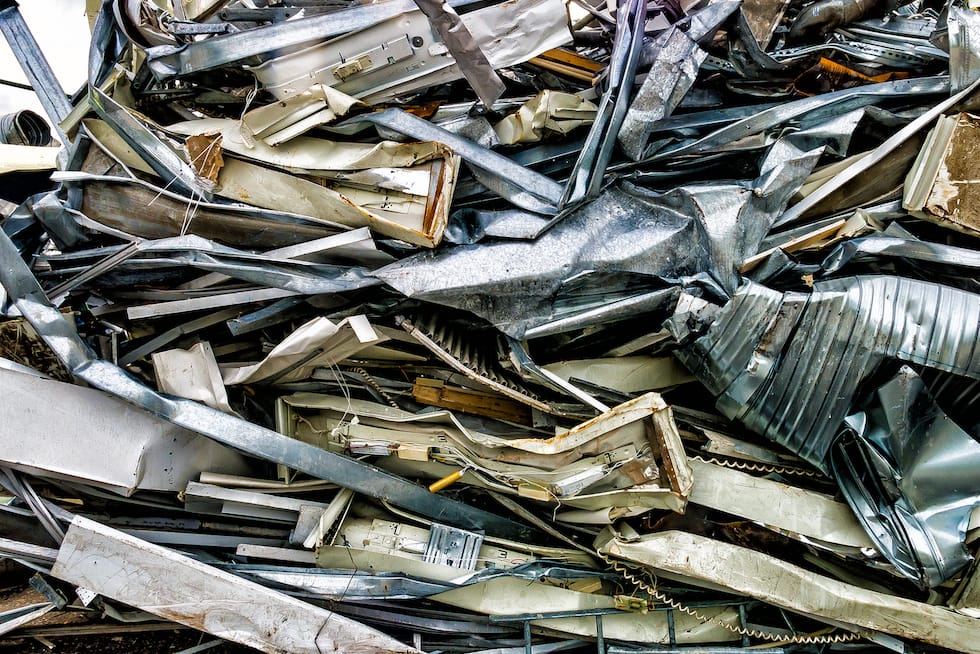
The metal recycling sector is a cornerstone of sustainable manufacturing, resource conservation, and environmental stewardship. As global demand for metals continues to rise, the need for efficient and responsible recycling practices becomes more critical. One of the most significant factors driving progress in this field is the importance of partnerships in recycling industry operations. By collaborating across the supply chain, companies can unlock new efficiencies, improve quality, and address complex challenges that no single organization can solve alone.
Building strong alliances—whether between recyclers, manufacturers, technology providers, or logistics firms—enables the sharing of expertise, resources, and innovative solutions. These relationships not only streamline operations but also help meet regulatory requirements and sustainability goals. For those looking to deepen their understanding of technical aspects, exploring topics like best practices for stamping coated steels can provide valuable context for how partnerships impact various stages of metal processing.
Collaboration as a Catalyst for Growth
In the competitive landscape of metal recycling, companies that prioritize collaboration often gain a significant edge. By forming strategic alliances, organizations can pool resources, share market intelligence, and co-develop solutions to common challenges. This approach is especially valuable when navigating fluctuating commodity prices, evolving environmental regulations, and the increasing complexity of materials being recycled.
For example, partnerships between scrap collectors and processing facilities ensure a steady flow of high-quality materials. Meanwhile, collaborations with technology providers can introduce advanced sorting and shredding equipment, enhancing efficiency and reducing contamination. These synergies not only improve profitability but also contribute to a more resilient and adaptable recycling ecosystem.
Enhancing Efficiency Through Strategic Partnerships
The importance of partnerships in recycling industry operations is evident in the way they streamline logistics and processing. Coordinated efforts between transportation companies and recyclers help optimize collection routes, reduce fuel consumption, and minimize environmental impact. When manufacturers and recyclers work closely, they can design products with end-of-life recycling in mind, simplifying disassembly and material recovery.
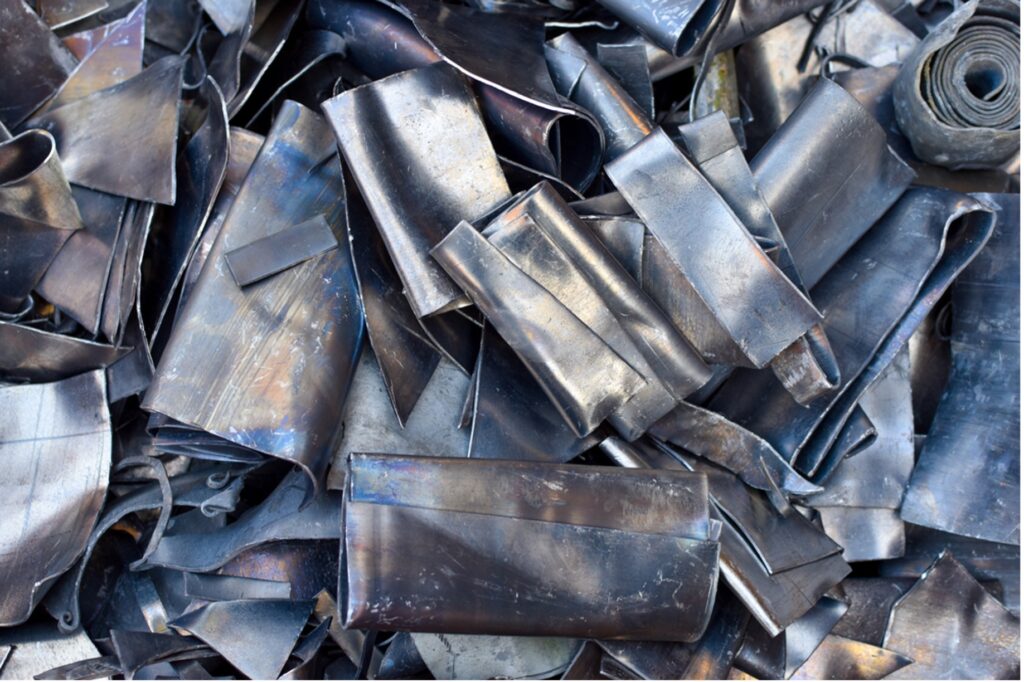
Technology partnerships are particularly impactful. By integrating state-of-the-art shredders, magnets, and optical sorters, facilities can process a wider range of metals with greater precision. This not only increases the yield of valuable materials but also reduces waste and operational costs. Companies that invest in such collaborations are better positioned to adapt to market changes and regulatory demands.
Driving Innovation and Sustainability
The drive toward a circular economy places even greater emphasis on the importance of partnerships in recycling industry innovation. Joint research and development initiatives can lead to breakthroughs in material recovery, energy efficiency, and emissions reduction. By working together, stakeholders can pilot new processes, share risk, and accelerate the adoption of best practices across the sector.
For instance, alliances between recyclers and academic institutions often result in the development of advanced separation techniques or the discovery of new uses for recycled metals. These innovations not only benefit the environment but also open up new revenue streams for participating companies.
Quality Assurance and Regulatory Compliance
Maintaining high standards is essential in metal recycling, especially as end-users demand greater transparency and traceability. Partnerships play a crucial role in ensuring quality assurance throughout the supply chain. By establishing clear communication channels and shared protocols, companies can minimize contamination, improve product consistency, and meet stringent regulatory requirements.
Working with certification bodies and industry associations further strengthens compliance efforts. These collaborations help organizations stay informed about evolving standards and implement necessary changes efficiently. As a result, participants can build trust with customers and regulators alike, safeguarding their reputation and market position.
Expanding Market Access and Customer Value
The ability to access new markets and serve a broader customer base often hinges on effective partnerships. By joining forces with distributors, brokers, and international trading firms, recyclers can expand their reach and diversify revenue streams. These relationships also facilitate the exchange of market intelligence, enabling companies to anticipate trends and respond proactively.
Customer partnerships are equally important. By engaging with clients to understand their needs and expectations, recyclers can tailor services, improve responsiveness, and foster long-term loyalty. This customer-centric approach is essential for building a resilient and sustainable business.
Knowledge Sharing and Workforce Development
The fast-paced evolution of recycling technologies and regulations requires ongoing education and training. Partnerships with educational institutions, industry associations, and training providers help companies keep their workforce up to date. Knowledge sharing through workshops, seminars, and collaborative projects ensures that employees are equipped with the latest skills and insights.
For those interested in operational safety and compliance, resources like how to train operators for steel stamping safety offer practical guidance that can be adapted for recycling environments. By investing in workforce development, companies not only improve productivity but also enhance safety and job satisfaction.
Overcoming Challenges Through Joint Efforts
The metal recycling industry faces a range of challenges, from volatile markets to technical barriers and regulatory complexity. Collaborative problem-solving is often the most effective way to address these issues. By sharing data, pooling expertise, and coordinating advocacy efforts, industry players can influence policy, develop new business models, and drive sector-wide improvements.
For a comprehensive overview of metal recycling fundamentals and the role of collaboration, the article An Introduction to Metal Recycling provides valuable background and context.
Frequently Asked Questions
How do partnerships improve efficiency in metal recycling?
Collaborations enable companies to share resources, optimize logistics, and implement advanced technologies. This leads to faster processing, reduced costs, and higher-quality recycled materials.
What are the environmental benefits of industry collaboration?
Joint efforts help reduce waste, lower emissions, and conserve natural resources. By working together, organizations can develop and adopt best practices that have a positive impact on the environment.
How can companies find the right partners in the recycling sector?
Identifying suitable partners involves networking at industry events, joining trade associations, and leveraging existing business relationships. Clear communication of goals and expectations is key to building successful alliances.
Conclusion
The future of metal recycling depends on the strength and depth of partnerships across the industry. By embracing collaboration, companies can drive innovation, improve efficiency, and achieve sustainability goals that benefit both business and society. Whether through technology integration, knowledge sharing, or joint market development, these alliances are essential for navigating the challenges and opportunities of a rapidly evolving sector.