
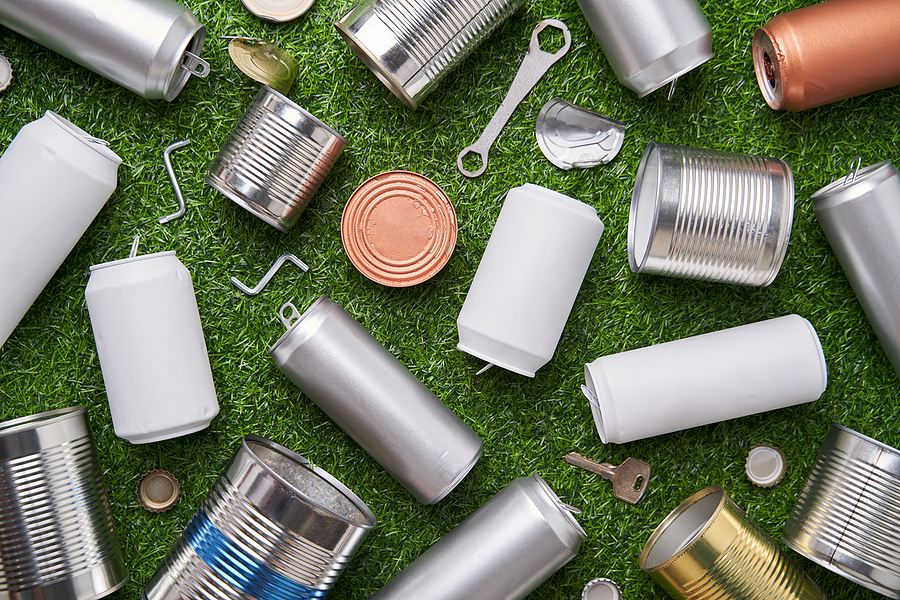
The importance of clean scrap in recycling cannot be overstated for industries and communities aiming to maximize both environmental and economic benefits. Clean scrap refers to metal waste that is free from contaminants such as paint, oil, plastics, or other non-metallic materials. When scrap is properly sorted and cleaned before entering the recycling stream, it leads to higher quality recycled metals, reduced processing costs, and a more sustainable recycling process overall.
As global demand for metals continues to rise, efficient recycling practices are essential for conserving natural resources and reducing the carbon footprint of manufacturing. Facilities that prioritize clean scrap not only improve their own operational efficiency but also contribute to a more circular economy. For those working in metal fabrication, stamping, or manufacturing, understanding how to prepare and manage scrap is crucial for maintaining high standards and optimizing returns.
For those interested in optimizing their metalworking operations, exploring topics like best practices for stamping coated steels can provide further insights into minimizing contamination and improving overall process quality.
Why Clean Scrap Matters for Metal Recycling Efficiency
Clean scrap is the foundation of a reliable and cost-effective recycling process. When scrap metal is free from impurities, recyclers can process it more quickly and with less energy. This not only saves money but also reduces the environmental impact associated with additional cleaning, sorting, or chemical treatments.
- Higher Purity Output: Clean scrap leads to higher quality recycled metals, which are more valuable and suitable for a wider range of applications.
- Lower Processing Costs: Removing contaminants at the source means less time and fewer resources are needed during recycling.
- Reduced Environmental Impact: Fewer chemicals and less energy are required, resulting in lower emissions and waste.
According to an introduction to metal recycling, the presence of non-metallic materials can significantly hinder the recycling process, leading to increased costs and lower quality end products.
Common Contaminants and Their Impact on Scrap Quality
The most frequent contaminants found in scrap metal include paint, oil, rubber, plastic, and even dirt or moisture. These substances can cause several issues:
- Paint and Coatings: These can introduce unwanted chemicals during melting, affecting the purity of the recycled metal.
- Oils and Lubricants: Residual oils can create smoke and hazardous fumes, requiring additional filtration and safety measures.
- Plastics and Rubber: Non-metallic materials must be separated before melting, which is labor-intensive and costly.
- Moisture: Water can cause dangerous reactions in furnaces, including explosions or excessive steam.
By ensuring scrap is as clean as possible before it reaches the recycling facility, these risks and costs are minimized, and the overall process becomes safer and more predictable.
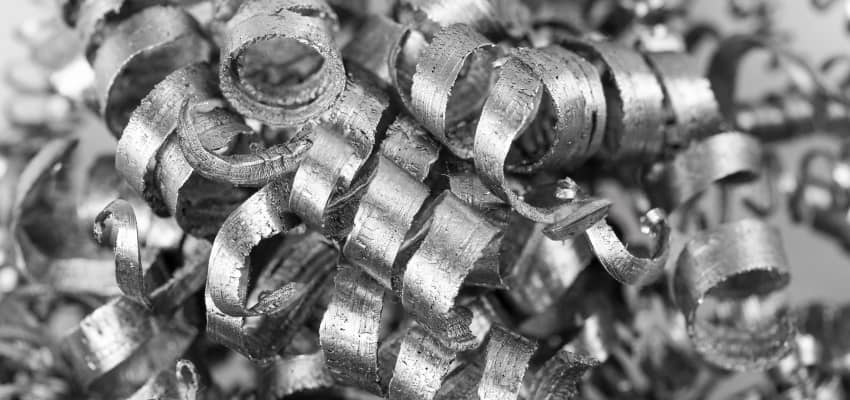
Best Practices for Preparing Clean Scrap
Achieving clean scrap starts at the source. Manufacturers and metalworkers can adopt several strategies to ensure their scrap is ready for efficient recycling:
- Segregate Materials: Separate different types of metals and remove non-metallic attachments before collection.
- Remove Surface Contaminants: Use mechanical or chemical cleaning methods to eliminate oils, paints, and coatings.
- Minimize Mixed Loads: Avoid mixing metals with plastics, rubber, or other debris in storage bins.
- Educate Staff: Train employees on the value of clean scrap and proper handling techniques to prevent contamination.
- Use the Right Equipment: Employ shredders, shears, and magnets to facilitate efficient sorting and cleaning.
Adopting these practices helps ensure that scrap is as pure as possible, which translates directly into better recycling outcomes and higher returns for businesses.
Economic and Environmental Benefits of Clean Scrap
The economic advantages of clean scrap are clear: recyclers pay more for uncontaminated material, and processing costs are lower. For manufacturers, this means higher revenue from scrap sales and reduced waste disposal expenses.
From an environmental perspective, clean scrap supports a more sustainable recycling loop. Less energy is needed for processing, and fewer emissions are produced. This helps companies meet regulatory requirements and sustainability goals, while also conserving natural resources by reducing the need for virgin metal extraction.
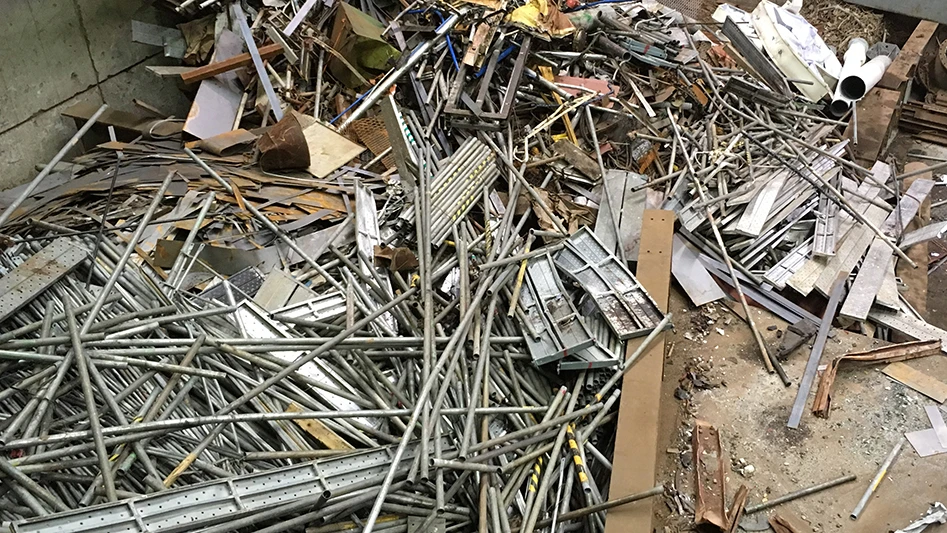
Integrating Clean Scrap Practices Into Metalworking Operations
For businesses involved in metal stamping, fabrication, or manufacturing, integrating clean scrap protocols into daily operations is essential. This includes not only the physical handling of scrap but also developing systems for quality control and continuous improvement.
Companies can benefit from reviewing their processes regularly and staying updated on industry standards. For example, learning about steel stamping edge quality optimization can help identify ways to reduce contamination at the source and improve the overall quality of both finished products and scrap.
Collaboration with recycling partners is also important. By communicating requirements and expectations, manufacturers can ensure their scrap meets the standards needed for efficient processing and maximum value.
Frequently Asked Questions
What qualifies as clean scrap in metal recycling?
Clean scrap is metal waste that is free from contaminants such as paint, oil, plastic, rubber, and other non-metallic materials. It should be sorted by metal type and not mixed with debris or moisture.
How does clean scrap affect recycling costs?
Clean scrap reduces recycling costs by minimizing the need for additional sorting, cleaning, or chemical treatments. This leads to lower energy consumption and higher efficiency, making the process more cost-effective for recyclers and suppliers alike.
Can clean scrap improve the quality of recycled metal products?
Yes, using uncontaminated scrap results in higher purity recycled metals. This improves the quality and performance of new products made from recycled materials, expanding their potential applications and increasing their market value.
Conclusion
The practice of maintaining clean scrap is a cornerstone of efficient and sustainable metal recycling. By understanding the importance of clean scrap in recycling and implementing best practices, manufacturers, recyclers, and communities can achieve better economic returns, reduce environmental impact, and support a more circular economy. Staying informed about related topics, such as how to manage lubrication runoff in stamping, can further enhance operational efficiency and environmental compliance.