
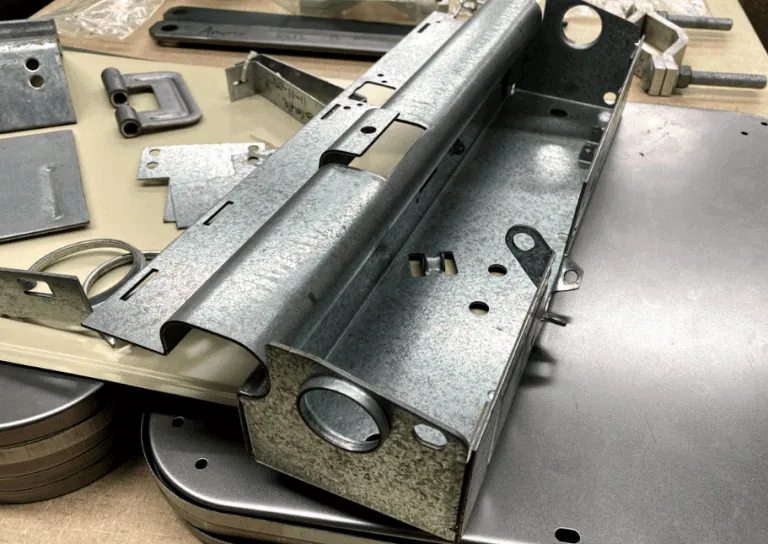
In metal stamping operations, the dimensions of a press bed play a pivotal role in shaping a manufacturer’s ability to adapt to changing production demands. As the industry faces increasing requirements for part variety, shorter lead times, and cost efficiency, understanding the impact of press bed size on production flexibility becomes essential for both engineers and production managers. The right press bed configuration can determine not only what parts can be produced, but also how quickly and efficiently a shop can respond to new orders or design changes.
This article explores how bed size influences die selection, part layout, tooling options, and overall operational agility. We’ll also highlight practical considerations for choosing the optimal press bed size, address common challenges, and provide insights to help you make informed decisions for your stamping line.
For those interested in optimizing other aspects of their stamping process, our guide on stamping press vibration control tips offers additional strategies for improving precision and consistency.
How Press Bed Dimensions Influence Stamping Operations
The size of a press bed directly affects the range of dies and part sizes that can be accommodated. A larger bed allows for bigger dies and more complex part layouts, while a smaller bed restricts the maximum die footprint and may limit production options. This relationship is a fundamental aspect of the impact of press bed size on production flexibility.
- Die Accommodation: Larger beds can house multi-stage or progressive dies, enabling the production of intricate or multiple parts in a single press cycle.
- Part Variety: With more space, manufacturers can run larger or multiple smaller parts simultaneously, increasing throughput and reducing changeover times.
- Tooling Options: A spacious bed provides greater freedom in die design and placement, supporting creative solutions for complex parts.
Benefits of Larger Press Beds for Flexible Production
Investing in a press with a generous bed size can unlock several advantages for manufacturers seeking to enhance their adaptability:
- Increased Die Versatility: The ability to use a wider range of dies—including tandem, transfer, and progressive types—means a single press can handle diverse product lines.
- Faster Changeovers: More space allows for easier die installation and removal, reducing downtime between jobs and supporting just-in-time manufacturing.
- Batch Processing: Multiple dies or part nests can be run in parallel, boosting output and making it easier to fulfill large or varied orders.
- Future-Proofing: As customer requirements evolve, a larger bed provides the flexibility to take on new projects without major equipment upgrades.
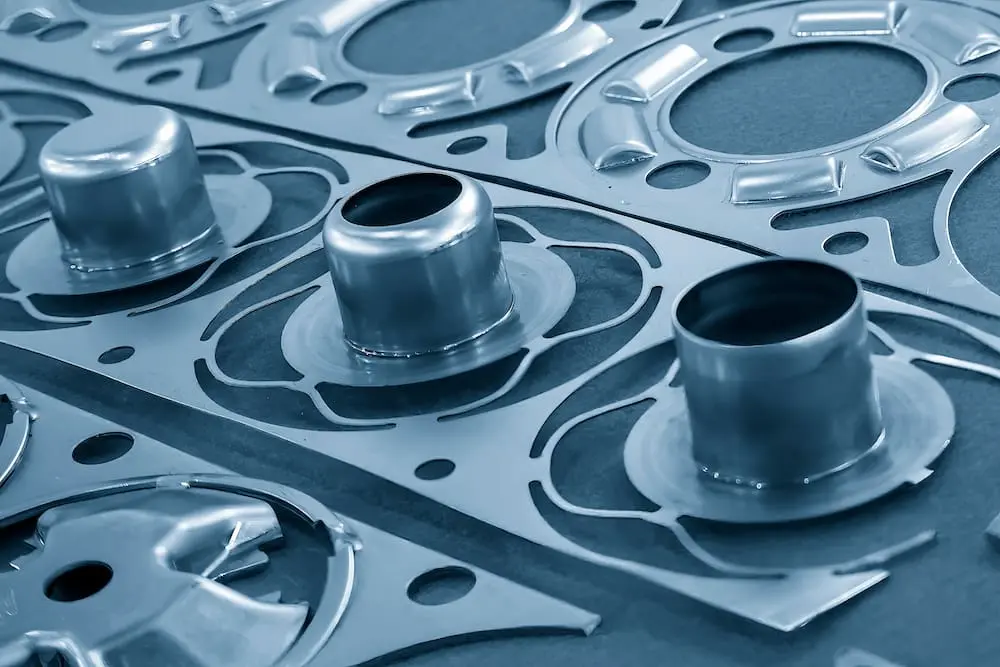
Limitations and Considerations with Larger Press Beds
While a spacious press bed offers clear advantages, it is not without trade-offs. Manufacturers should weigh these factors when selecting equipment:
- Higher Initial Investment: Larger presses typically require more capital outlay, both for the machine itself and for supporting infrastructure such as foundations and safety systems.
- Space Requirements: Bigger presses occupy more floor space, which can be a limiting factor in smaller facilities.
- Energy Consumption: Operating a larger press may increase power usage, especially if the full bed capacity is not regularly utilized.
- Maintenance Complexity: More substantial equipment can mean more involved maintenance routines and longer service intervals.
For those balancing press bed size with other process variables, it’s helpful to consider related topics such as the impact of press speed on part accuracy and steel stamping surface finish requirements.
Optimizing Die Layout and Tooling for Maximum Flexibility
The flexibility of a stamping operation is not determined by bed size alone. How dies and tooling are arranged on the bed can significantly affect efficiency and adaptability. Here are some strategies for making the most of available space:
- Die Nesting: Arranging multiple dies or part cavities within the same bed area can maximize material utilization and reduce waste.
- Quick-Change Tooling: Modular die sets and standardized mounting systems enable rapid swaps, supporting high-mix, low-volume production runs.
- Progressive and Transfer Dies: These die types benefit from larger beds, as they require more space for strip feeding and part transfer mechanisms.
For more on optimizing die performance, see our article on how to select a steel stamping lubricant for your die.
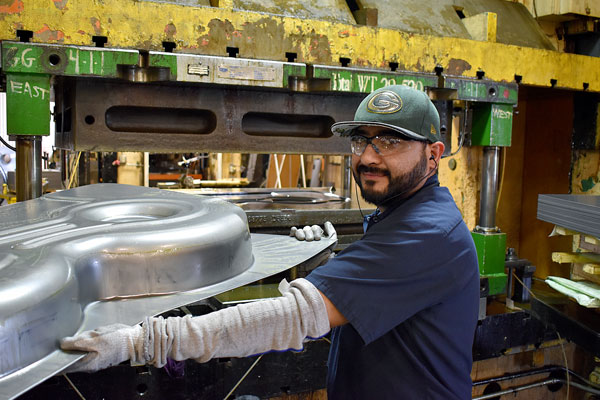
Balancing Press Bed Size with Production Needs
Selecting the right press bed size is a balancing act between current production requirements and future growth. Here are some practical tips for making this decision:
- Assess Part Portfolio: Review the range of parts you produce, including maximum dimensions and die requirements.
- Plan for Growth: Consider upcoming projects or market trends that may require larger or more complex dies.
- Evaluate Facility Constraints: Ensure your facility can accommodate the press size, including floor space, ceiling height, and access for material handling.
- Analyze Cost-Benefit: Weigh the increased flexibility and potential for new business against higher equipment and operating costs.
- Consult with Suppliers: Work with die and press manufacturers to identify solutions that match your unique production profile.
Safety and Maintenance Considerations
Larger presses come with unique safety and maintenance challenges. Ensuring proper guarding, operator training, and regular inspections is critical. For a deeper look at best practices, see this resource on safety in the metal stamping industry.
Maintenance routines should be adjusted to account for the increased complexity and size of the equipment. This includes checking for proper alignment, lubrication, and wear on both the press and dies.
FAQ: Press Bed Size and Production Flexibility
How does press bed size affect the types of parts that can be stamped?
The bed size determines the maximum die dimensions that can be installed, which in turn limits the largest part or group of parts that can be produced in a single operation. A larger bed allows for bigger or multiple dies, enabling more complex or varied part production.
Is a larger press bed always better for flexibility?
Not necessarily. While a larger bed increases versatility, it also comes with higher costs and space requirements. The ideal size balances current and future production needs with available resources and budget.
What are some alternatives if facility space limits press bed size?
Manufacturers can use modular dies, quick-change tooling, or multiple smaller presses to achieve flexibility without requiring a single large press. Optimizing die layout and investing in efficient material handling can also help maximize the utility of a smaller bed.
How does press bed size relate to die maintenance and longevity?
Larger beds often accommodate more complex dies, which may require more frequent inspection and maintenance. However, the extra space can also make it easier to access and service dies, potentially improving maintenance efficiency.
Conclusion
The dimensions of a stamping press bed are a key factor in determining a manufacturer’s ability to adapt to changing production requirements. By carefully considering the impact of press bed size on production flexibility, manufacturers can select equipment that supports both current operations and future growth. Balancing bed size with cost, space, and operational needs ensures that your stamping line remains agile, efficient, and ready for evolving market demands.