
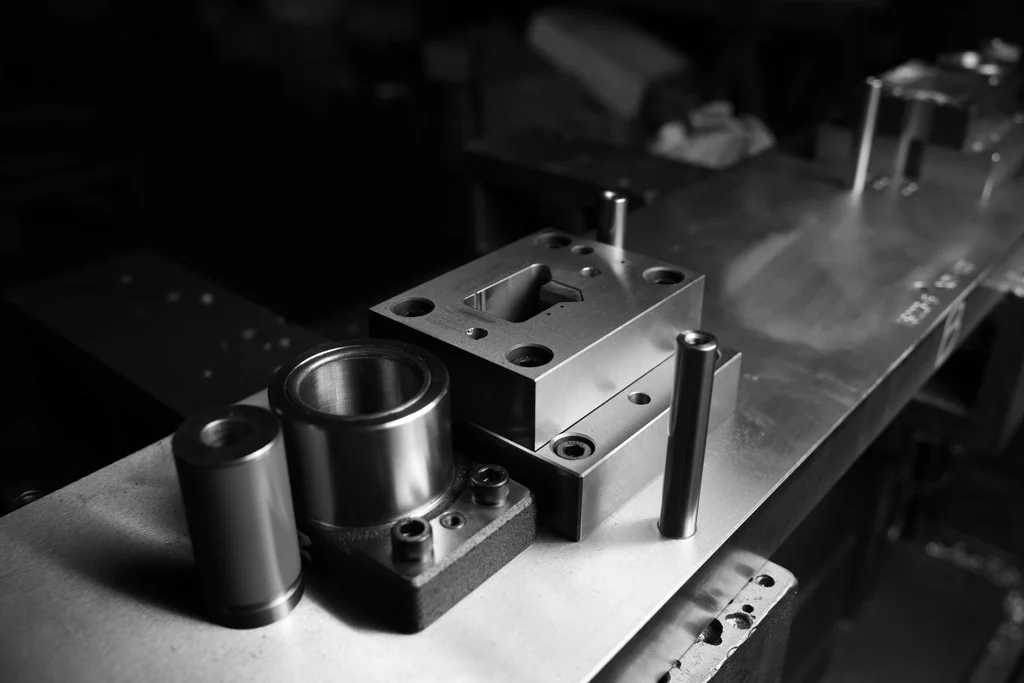
In the world of metal fabrication, tool wear is a persistent challenge—especially when working with thick steel materials. As production demands rise and tolerances tighten, minimizing die and punch degradation becomes critical for both cost control and part quality. Understanding how to reduce tool wear in heavy gauge stamping can help manufacturers extend tool life, maintain consistent output, and avoid costly downtime.
This article explores practical strategies, material considerations, and process optimizations that can help fabricators achieve longer-lasting tools in demanding steel stamping operations. We’ll also highlight related process improvements, such as steel stamping lubrication application methods, to further support your production goals.
Understanding Tool Wear in Heavy Gauge Steel Stamping
Tool wear refers to the gradual loss of material or change in geometry of stamping dies and punches due to repeated contact with workpieces. In heavy gauge steel applications, the forces involved are significantly higher than with thinner metals, leading to faster abrasion, galling, and even chipping of tool surfaces. The main contributors to wear include:
- Abrasive wear from hard steel particles and scale
- Adhesive wear (galling) due to friction and metal transfer
- Thermal fatigue from repeated heating and cooling cycles
- Mechanical overload from improper alignment or excessive force
Recognizing these mechanisms is the first step toward implementing effective countermeasures in your stamping process.
Material Selection and Tool Design for Longevity
Choosing the right tool steel and optimizing die geometry are foundational to minimizing wear. For heavy gauge applications, high-alloy tool steels such as D2, M2, or powdered metallurgy grades offer improved resistance to abrasion and chipping. Surface treatments, including nitriding or physical vapor deposition (PVD) coatings, can further enhance durability by reducing friction and hardening the tool surface.
In addition to material upgrades, consider the following design adjustments:
- Increase punch-to-die clearance to reduce side loading and galling
- Incorporate generous radii at corners to minimize stress concentrations
- Use modular die inserts for easy replacement of high-wear sections
These design strategies, when combined with robust tool steels, can significantly extend the service life of stamping tools.
Process Optimization: Lubrication, Cooling, and Alignment
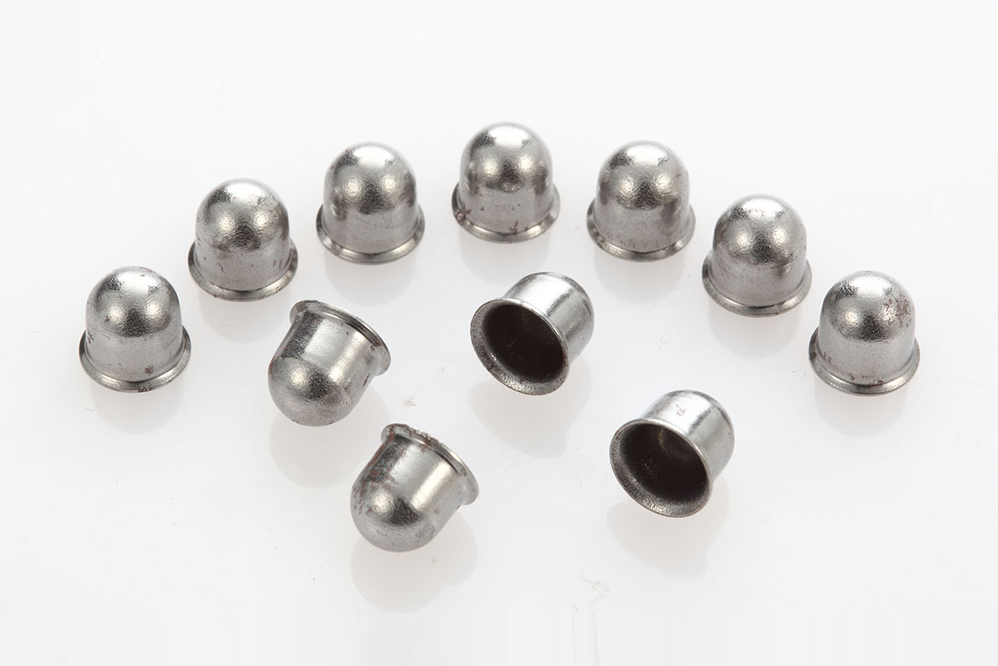
Beyond tool material and design, process variables play a major role in controlling wear. Effective lubrication is essential for reducing friction and preventing galling, especially in high-force operations. Applying lubricants consistently and in the right quantity can make a measurable difference in tool longevity. For more on this, see our guide to steel stamping lubrication application methods.
Cooling methods are equally important. Excessive heat buildup can soften tool surfaces and accelerate wear. Implementing air or liquid cooling, or scheduling regular pauses for tool temperature recovery, helps maintain optimal tool hardness. For advanced strategies, refer to resources on steel stamping cooling methods.
Proper press alignment and die setup are also critical. Misalignment increases side loads, causing uneven wear and premature tool failure. Routine inspection and maintenance of press components ensure consistent, repeatable results.
Monitoring and Maintenance Practices
Proactive monitoring of tool condition allows for timely intervention before catastrophic failure occurs. Key practices include:
- Regular visual inspections for cracks, chipping, or excessive wear
- Measuring critical dimensions to detect gradual loss of material
- Documenting tool life cycles and tracking wear patterns
- Implementing scheduled regrinding or polishing to restore edge sharpness
Integrating these checks into your maintenance routine supports longer tool life and more predictable production schedules. For more on quality assurance, review our article on how to inspect stamped steel parts for quality.
Operator Training and Safe Practices
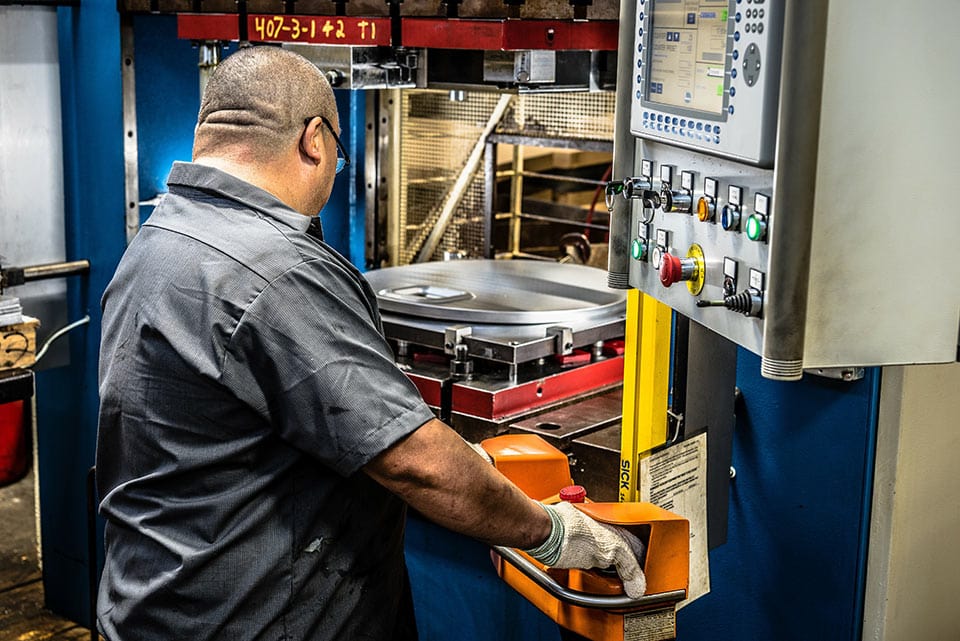
Even the best-designed tools and optimized processes can fall short without skilled operators. Training staff on correct setup, press operation, and tool handling minimizes accidental damage and ensures that best practices are consistently followed. Emphasizing safety and precision in daily routines helps protect both personnel and equipment.
For additional guidance on maintaining a safe and efficient stamping environment, consider the safe practices of a precision metal stamper as outlined by industry experts.
Environmental and Economic Benefits of Minimizing Tool Wear
Extending the lifespan of stamping tools not only reduces direct tooling costs but also supports sustainability goals. Fewer tool replacements mean less material waste and lower energy consumption in manufacturing new dies and punches. Efficient tool use also decreases production interruptions, improving throughput and profitability.
To learn more about the broader impact of process improvements, explore our article on the environmental impact of steel stamping processes.
FAQ: Reducing Wear in Heavy Gauge Steel Stamping
What are the most common causes of tool wear in thick steel stamping?
The primary causes include abrasive wear from hard steel particles, adhesive wear (galling) due to friction, thermal fatigue from repeated heating and cooling, and mechanical overload from misalignment or excessive force. Addressing these factors with proper tool materials, lubrication, and maintenance can significantly reduce wear.
How can lubrication help extend tool life in heavy-duty stamping?
Lubrication reduces friction between the tool and workpiece, minimizing heat generation and preventing metal-to-metal adhesion (galling). Consistent and appropriate lubricant application is essential for protecting tool surfaces and achieving longer tool life in demanding operations.
Is tool coating necessary for all heavy gauge stamping projects?
While not mandatory for every application, advanced coatings such as PVD or nitriding can greatly enhance tool surface hardness and reduce friction, especially in high-volume or high-force environments. The decision depends on production volume, material type, and cost considerations.
Conclusion
Minimizing tool wear in heavy gauge steel stamping requires a holistic approach that includes selecting robust materials, optimizing tool design, maintaining precise process controls, and investing in operator training. By implementing these strategies, manufacturers can achieve longer tool life, higher part quality, and greater operational efficiency.