

Managing and minimizing scrap is a major concern for manufacturing plants and industrial facilities. As production volumes increase, so does the potential for leftover materials, offcuts, and unusable byproducts. How to reduce metal waste in factories is a question that impacts not only operational costs but also environmental responsibility and compliance. By implementing targeted strategies, facilities can boost efficiency, save money, and contribute to a more sustainable industrial ecosystem.
In this article, you’ll find actionable steps and best practices for limiting excess metal, reusing valuable resources, and optimizing processes. We’ll also highlight the role of recycling, technology, and employee training in achieving significant reductions in waste. For a deeper dive into the environmental benefits of recycling, see how metal recycling reduces landfill waste.
Understanding the Sources of Excess Metal in Industrial Settings
Before implementing solutions, it’s important to identify where surplus material originates. Common sources in manufacturing environments include:
- Offcuts and trimmings from cutting, stamping, or machining operations
- Defective or rejected parts that cannot be reworked
- Overproduction or inaccurate demand forecasting
- Obsolete inventory due to design changes or customer cancellations
- Packaging and shipping materials containing metal components
Pinpointing these sources allows facility managers to prioritize interventions and track improvements over time.
Process Optimization: Key to Minimizing Scrap Metal
One of the most effective ways to tackle how to reduce metal waste in factories is by refining production processes. Here are several proven approaches:
- Lean manufacturing principles: Adopting lean methodologies helps eliminate inefficiencies and unnecessary steps that generate excess material.
- Precision cutting and nesting software: Advanced programs can optimize how parts are laid out on raw sheets, minimizing offcuts and maximizing yield.
- Regular equipment maintenance: Well-maintained machines produce fewer defects and ensure consistent quality, reducing the number of rejected parts.
- Employee training: Skilled operators are less likely to make costly mistakes that lead to scrap.
Continuous improvement initiatives, such as Kaizen events or Six Sigma projects, also play a crucial role in identifying and eliminating sources of waste.
Recycling and Reuse: Turning Scrap Into Value
Not all leftover material is destined for disposal. Many types of metal can be collected, sorted, and reintroduced into the production cycle or sold to recyclers. Establishing a robust recycling program is essential for any facility seeking to limit its environmental impact and recover value from what would otherwise be waste.
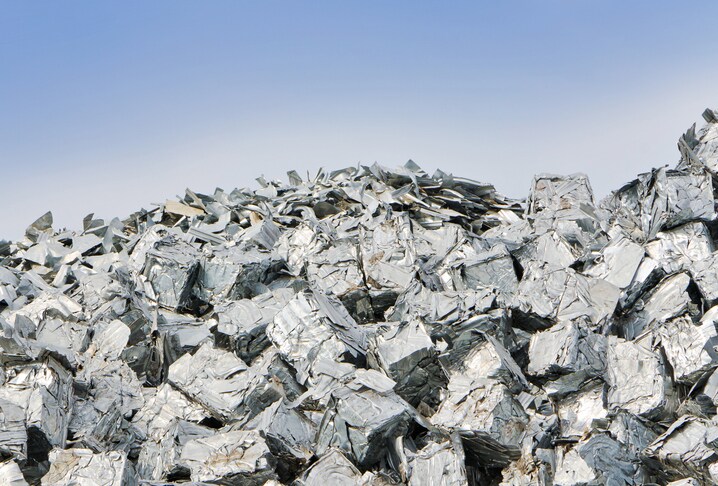
For more on the types of metals suitable for recycling, see this comprehensive guide to recyclable metals. Facilities can further benefit by partnering with local recyclers or investing in on-site shredding and sorting equipment, which can help prepare scrap for resale or reuse.
In addition, some manufacturers are able to reuse offcuts or defective parts in lower-grade products or internal applications, further reducing the need for new raw materials.
Technology and Automation for Waste Reduction
Modern technology offers powerful tools for managing and reducing excess material. Automation, in particular, can help standardize processes, improve accuracy, and minimize human error. Some examples include:
- Automated sorting systems: These can quickly separate different types of scrap, making recycling more efficient.
- Real-time monitoring and analytics: Sensors and software can track production metrics, flagging inefficiencies or spikes in scrap rates.
- Robotic handling: Robots can handle repetitive or hazardous tasks, reducing the risk of mistakes that lead to waste.
Upgrading to smart machinery and integrating data-driven decision-making can help facilities stay ahead of waste issues and adapt to changing production needs.
Employee Engagement and Training
The success of any waste reduction initiative depends heavily on the workforce. Employees at all levels should understand the importance of minimizing scrap and be empowered to contribute ideas for improvement. Effective strategies include:
- Regular training sessions on best practices for material handling and machine operation
- Incentive programs that reward teams for achieving waste reduction targets
- Open communication channels for reporting issues or suggesting process improvements
When staff are engaged and informed, they become valuable partners in achieving sustainability goals.
Partnering With Recyclers and Foundries
Collaborating with external partners can further enhance a facility’s ability to manage and repurpose surplus material. Foundries, for example, play a significant role in transforming scrap into usable raw material. Learn more about the role of foundries in recycling and how they support a circular economy.
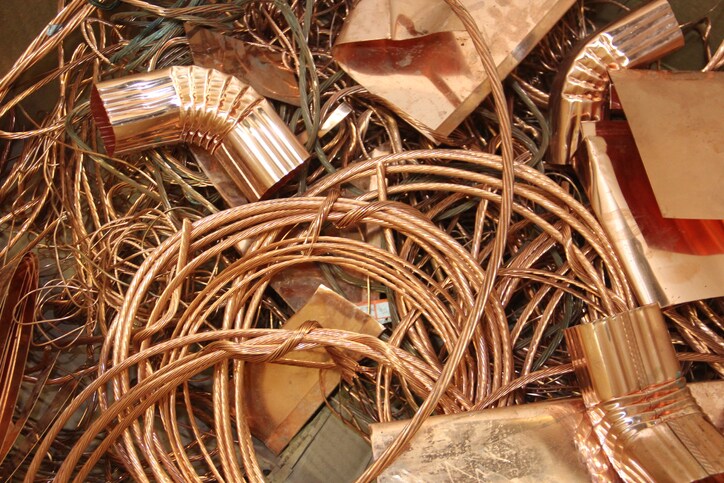
By establishing relationships with reliable recycling partners, factories can ensure that their scrap is processed responsibly and, in many cases, receive compensation for valuable metals.
Continuous Improvement and Monitoring
Reducing surplus material is not a one-time effort. Ongoing monitoring, data collection, and periodic reviews are essential for maintaining progress. Facilities should:
- Track key performance indicators (KPIs) related to waste and recycling rates
- Conduct regular audits of material flow and scrap generation
- Update procedures and training as new technologies or best practices emerge
Sharing results and celebrating milestones can help maintain momentum and encourage further innovation.
Frequently Asked Questions
What are the most effective ways to minimize scrap in a factory?
The most effective strategies include adopting lean manufacturing principles, using precision cutting and nesting software, maintaining equipment, and engaging employees through training and incentives. Recycling programs and partnerships with foundries also play a key role.
Can all types of metal waste be recycled?
Most metals, such as steel, aluminum, and copper, can be recycled. However, some alloys or contaminated materials may require special processing. For more details, refer to resources like the comprehensive guide to recyclable metals.
How does reducing metal waste benefit a factory’s bottom line?
Lowering the amount of scrap leads to cost savings on raw materials, reduced disposal fees, and potential revenue from selling recyclable metals. It also supports compliance with environmental regulations and enhances a company’s reputation for sustainability.
Conclusion
Addressing how to reduce metal waste in factories requires a combination of process optimization, recycling, technology adoption, and employee engagement. By taking a holistic approach, manufacturers can achieve significant reductions in scrap, improve operational efficiency, and contribute to a more sustainable future. For further reading on related topics, explore how metal is melted and purified for reuse or the benefits of metal recycling in construction industry.