
Efficiently managing and recycling production scrap is crucial for manufacturers aiming to reduce costs, minimize environmental impact, and comply with sustainability standards. Whether dealing with metal shavings, offcuts, or defective products, understanding the best practices for processing and reusing these materials can turn waste into valuable resources. This guide explores practical steps, industry insights, and actionable strategies to help businesses optimize their scrap recycling processes.
Many industries produce significant volumes of leftover materials during manufacturing. By implementing systematic approaches to collection, sorting, and processing, companies not only reduce landfill contributions but also recover valuable raw materials. For a deeper look at the broader impact, see how metal recycling reduces landfill waste and supports a circular economy.
Understanding the Types of Production Scrap
Before diving into methods for how to recycle production scrap, it’s important to identify the various forms it can take. Common types include:
- Metal shavings and turnings from machining operations
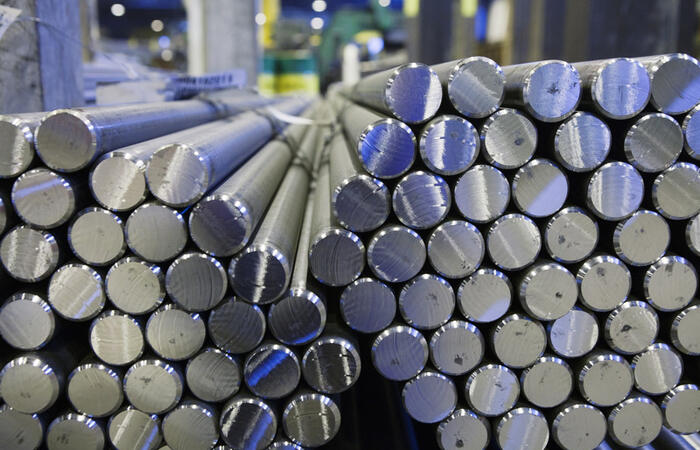
- Offcuts and trimmings from sheet or bar stock
- Defective or rejected parts
- Packaging waste associated with raw materials
Each type of scrap may require different handling and processing techniques. For example, role of foundries in recycling is especially significant for metal scraps, as foundries can melt and repurpose these materials efficiently.
Collection and Segregation: The First Step to Efficient Recycling
The foundation of any effective recycling program is a robust system for collecting and segregating scrap at the source. This minimizes contamination and maximizes the value of recovered materials. Consider these best practices:
- Designate specific collection bins for different scrap types (e.g., ferrous, non-ferrous, plastics).
- Train employees to recognize and separate materials during production.
- Label bins clearly and position them close to workstations to encourage compliance.
- Schedule regular pickups to prevent overflow and maintain a tidy workspace.
Processing Methods for Industrial Scrap
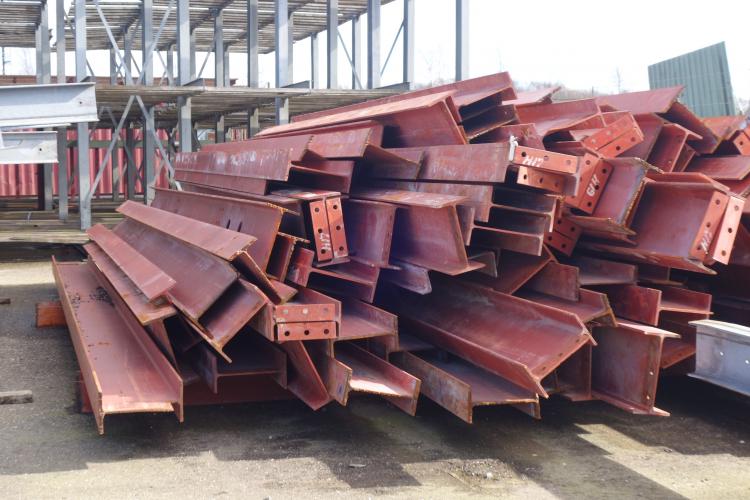
Once collected and sorted, the next step is to process the scrap for recycling or reuse. The chosen method depends on the material type and desired end use. Here are some common approaches:
- Shredding and size reduction: Breaking down large pieces into manageable sizes using industrial shredders.
- Melting and purification: Particularly for metals, this involves melting scrap and removing impurities. For a detailed explanation, refer to how metal is melted and purified for reuse.
- Compacting: Compressing lightweight materials to reduce volume and improve transport efficiency.
- Sorting by composition: Using magnets, eddy currents, or manual inspection to separate metals and other materials.
Investing in the right equipment, such as shredders or compactors, can significantly improve throughput and recovery rates.
Partnering with Specialized Recyclers
Not all manufacturers have the capacity to process scrap in-house. Partnering with specialized recycling firms ensures that materials are handled according to industry standards and environmental regulations. When selecting a recycling partner, consider:
- Their experience with your specific material types
- Certifications and compliance with local regulations
- Transparent reporting and documentation of recycled volumes
- Logistics support for regular pickups and drop-offs
For certain metals, working with recyclers who focus on commonly recycled non-ferrous metals can maximize value and ensure proper handling.

Maximizing Value from Recycled Scrap
Getting the most out of your scrap recycling efforts involves more than just disposing of waste. Consider these strategies to enhance value:
- Track and analyze scrap generation to identify process inefficiencies and reduce waste at the source.
- Explore opportunities to reuse scrap internally, such as re-melting metal offcuts or repurposing plastic trimmings.
- Stay updated on market prices for recycled materials to time sales for maximum return.
- Engage with industry groups or networks to share best practices and access new recycling technologies.
In the construction sector, for example, metal recycling in construction industry demonstrates how scrap can be transformed into new building materials, reducing both costs and environmental impact.
Integrating Recycling into Production Workflows
To make recycling a seamless part of manufacturing, integrate it directly into your production workflows:
- Design processes that minimize offcuts and defective parts through precise planning and automation.
- Use real-time monitoring systems to track scrap generation and adjust operations accordingly.
- Foster a culture of sustainability by involving employees in recycling initiatives and recognizing their contributions.
For electronics manufacturers, understanding how electronic waste metals are recovered and recycled can further enhance resource efficiency and compliance.
Common Challenges and Solutions in Scrap Recycling
While the benefits are clear, companies often face obstacles when trying to recycle production scrap effectively. Some common challenges include:
- Contamination: Mixing of incompatible materials reduces recyclability. Solution: Implement strict segregation protocols.
- Space constraints: Limited floor space for collection bins or equipment. Solution: Use compactors or schedule more frequent pickups.
- Employee engagement: Lack of awareness or motivation. Solution: Provide training and incentives for participation.
- Fluctuating market prices: Scrap value can change rapidly. Solution: Build relationships with multiple buyers and monitor market trends.
Frequently Asked Questions
What types of production scrap are most valuable for recycling?
Non-ferrous metals such as copper, aluminum, and brass typically offer the highest returns due to their demand and ease of processing. Clean, uncontaminated scrap is always more valuable than mixed or dirty materials.
How can manufacturers reduce the amount of scrap generated?
Improving process precision, investing in better planning and automation, and training staff to minimize errors can all help decrease the volume of waste produced during manufacturing.
Is it better to process scrap in-house or use external recyclers?
The decision depends on the scale of operations, available equipment, and expertise. Large manufacturers may benefit from in-house processing, while smaller businesses often find it more efficient to partner with specialized recycling firms.
Conclusion
Adopting efficient methods for recycling production scrap not only supports environmental goals but also contributes to operational efficiency and cost savings. By understanding material types, implementing robust collection systems, leveraging the right processing technologies, and building strong partnerships, manufacturers can transform waste into a valuable asset. Staying informed about industry trends and continuously improving recycling workflows ensures long-term sustainability and competitiveness.