
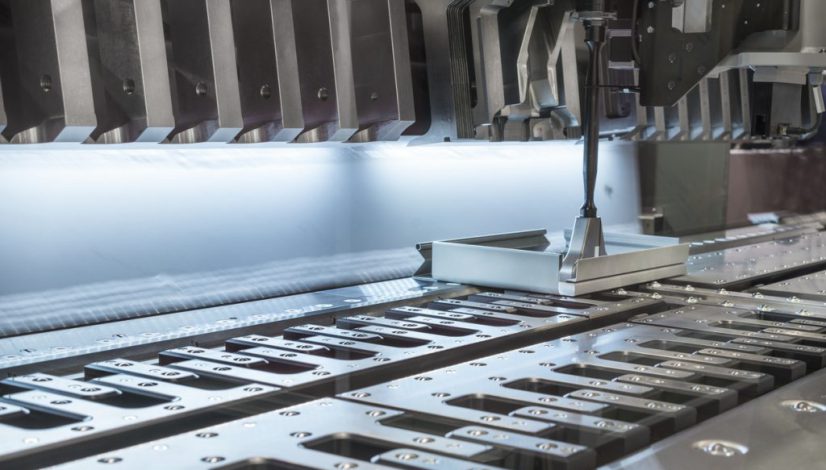
Steel stamping is a cornerstone of modern manufacturing, enabling the mass production of precise metal components for industries ranging from automotive to electronics. As demand for high-quality stamped parts grows, so does the need to enhance productivity and minimize waste. Understanding how to improve steel stamping efficiency is essential for manufacturers aiming to stay competitive, reduce costs, and deliver consistent results.
This guide explores proven strategies for optimizing steel stamping operations, from equipment upgrades and process adjustments to workforce training and quality control. By focusing on practical improvements, manufacturers can achieve faster throughput, better part quality, and lower operating expenses. For those interested in the broader context of sustainable production, learning about the challenges of sustainable metal fabrication can also provide valuable insights into balancing efficiency with environmental responsibility.
Key Factors Affecting Productivity in Steel Stamping
Several variables influence the overall efficiency of a steel stamping operation. Addressing these factors can lead to significant gains in output and quality:
- Tooling Condition: Worn or improperly maintained dies and punches can cause defects, slowdowns, and increased downtime.
- Material Quality: Consistent steel grade and thickness reduce the risk of jams, misfeeds, and part inconsistencies.
- Machine Settings: Incorrect press speed, stroke, or feed rate can result in poor part quality and unnecessary wear.
- Operator Skill: Well-trained staff are better equipped to identify issues early and maintain optimal process parameters.
- Process Automation: Automated feeding, handling, and inspection systems minimize manual intervention and human error.
Optimizing Tooling and Die Maintenance
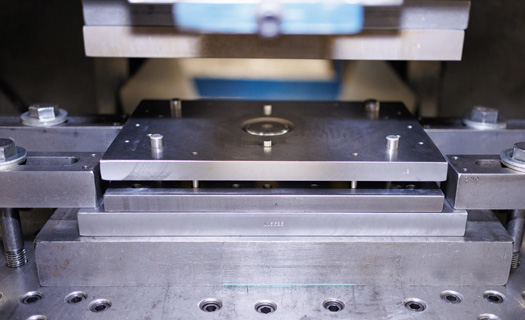
One of the most effective ways to boost steel stamping efficiency is through proactive tooling maintenance. Regular inspection and timely replacement of worn components help prevent unplanned downtime and maintain part quality.
- Implement a preventive maintenance schedule for all dies and punches.
- Use high-quality tool steels and coatings to extend tool life.
- Monitor tool wear using digital sensors or visual inspection.
- Document tool performance and failure modes to inform future improvements.
Streamlining Material Handling and Preparation
Efficient material flow is critical for uninterrupted stamping operations. Delays in loading, feeding, or aligning steel coils can quickly erode productivity. Consider these approaches:
- Invest in automated coil feeders and straighteners to ensure consistent material supply.
- Pre-clean and lubricate steel to reduce friction and prevent die wear.
- Standardize material specifications to minimize setup changes and reduce scrap.
- Organize storage and staging areas for quick access to raw materials.
Enhancing Process Control and Monitoring
Real-time monitoring and data collection are essential for maintaining high levels of efficiency. By tracking key process metrics, manufacturers can quickly identify bottlenecks and areas for improvement.
- Install sensors to monitor press force, stroke count, and temperature.
- Use digital dashboards to visualize production data and flag anomalies.
- Implement Statistical Process Control (SPC) to maintain part consistency.
- Regularly review downtime logs to address recurring issues.
Reducing Defects and Scrap in Steel Stamping
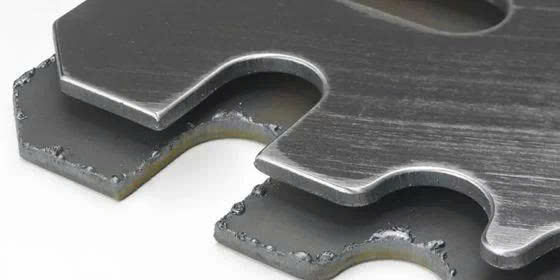
Minimizing waste not only saves material costs but also improves overall throughput. Common sources of defects include burrs, misalignment, and incomplete forming. To address these challenges:
- Fine-tune die alignment and clearances to prevent burr formation.
- Incorporate in-line inspection systems to catch defects early.
- Train operators to recognize and respond to process deviations.
- Analyze scrap data to identify root causes and implement corrective actions.
Leveraging Automation and Technology for Better Results
Automation is increasingly vital for achieving higher productivity in metal forming. Automated systems can handle repetitive tasks, reduce manual errors, and enable continuous operation. Examples include:
- Robotic part handling for loading and unloading presses.
- Automated inspection and sorting of finished components.
- Programmable logic controllers (PLCs) for precise process control.
- Integration of manufacturing execution systems (MES) for real-time tracking.
For a deeper understanding of how automation and sustainability intersect in metalworking, explore the latest green innovation in metal fabrication technologies.
Workforce Training and Continuous Improvement
Even with advanced equipment, the skills and knowledge of operators remain crucial. Ongoing training ensures that staff can operate machinery safely, perform quality checks, and troubleshoot issues efficiently.
- Provide regular workshops on new equipment and process updates.
- Encourage cross-training to build a flexible workforce.
- Implement suggestion programs for operators to share improvement ideas.
- Recognize and reward teams for achieving efficiency targets.
Quality Assurance and Inspection Best Practices
Consistent quality control is essential for maintaining efficiency and customer satisfaction. By integrating inspection at multiple stages, manufacturers can catch defects early and avoid costly rework.
- Adopt in-process inspection to monitor critical dimensions and features.
- Use statistical sampling to validate batch quality.
- Document inspection results to identify trends and inform process adjustments.
- Collaborate with suppliers to ensure incoming material meets specifications.
Industry Resources and Further Reading
Staying informed about the latest trends and best practices is key to ongoing improvement. For a comprehensive overview of metal stamping processes, safety, and technology, visit this in-depth guide to metal stamping.
Frequently Asked Questions
What are the most common causes of inefficiency in steel stamping?
The main contributors to inefficiency include worn tooling, inconsistent material quality, improper machine settings, lack of automation, and insufficient operator training. Addressing these areas can significantly boost productivity and reduce waste.
How can automation improve productivity in metal stamping?
Automation reduces manual handling, minimizes errors, and enables continuous operation. Automated feeders, robotic part handling, and in-line inspection systems streamline production and help maintain consistent quality.
Why is preventive maintenance important for stamping dies?
Regular maintenance prevents unexpected breakdowns, extends tool life, and ensures consistent part quality. A proactive approach to die care reduces downtime and supports smoother, more efficient operations.
Conclusion
Improving efficiency in steel stamping is a multifaceted process involving equipment upgrades, process optimization, workforce development, and quality assurance. By focusing on these areas and leveraging new technologies, manufacturers can achieve higher throughput, lower costs, and better product quality. For those interested in the environmental and economic benefits of modern metalworking, exploring topics like eco friendly fabrication cost benefits can provide further value as you refine your operations.