
As industries and manufacturers increasingly turn to sustainable practices, sourcing high-quality recycled metals has become a priority. Ensuring that your chosen suppliers meet rigorous standards is essential for product reliability, safety, and environmental compliance. Conducting a thorough evaluation of recycled metal providers helps minimize risks, supports responsible sourcing, and guarantees the integrity of your supply chain. This article provides a detailed, step-by-step approach to assessing and verifying the quality of recycled metal sources, empowering you to make informed decisions and maintain high standards throughout your operations.
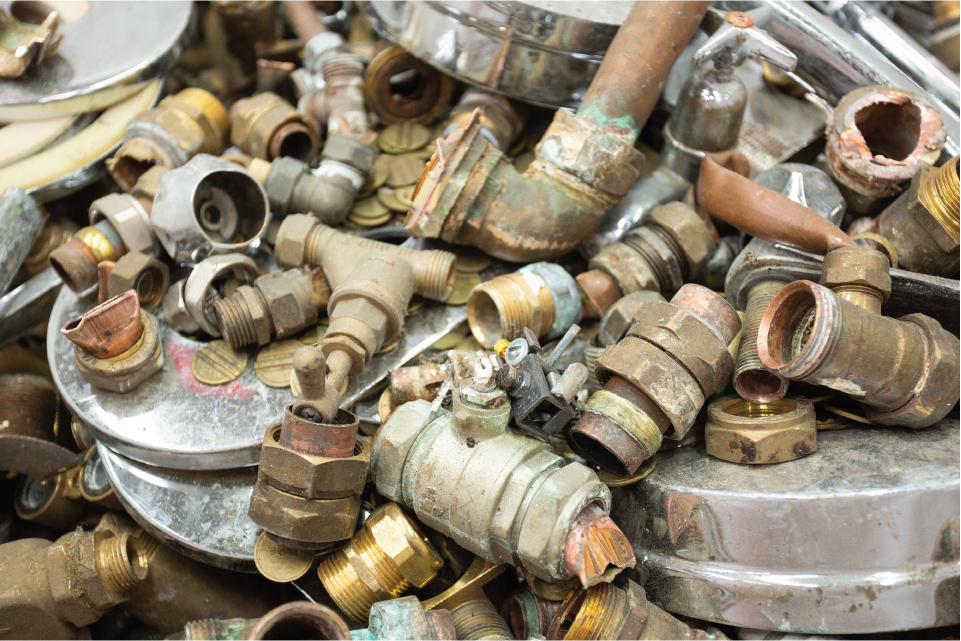
For those interested in the broader impact of responsible sourcing, understanding how metal recycling reduces landfill waste can offer valuable context on the environmental benefits of choosing the right suppliers.
Why Supplier Audits Matter in the Recycled Metal Industry
Auditing recycled metal suppliers is not just about compliance—it’s about ensuring the consistent quality and traceability of materials. The recycled metals market can vary widely in terms of purity, contamination, and processing standards. Without a structured review, businesses risk introducing substandard or unsafe materials into their production lines, which can lead to costly recalls, equipment damage, or even regulatory penalties.
A robust assessment process helps verify that suppliers adhere to industry best practices, maintain transparent documentation, and follow ethical sourcing guidelines. This is especially important as recycled metals often originate from diverse sources, including post-consumer scrap, industrial byproducts, and even electronic waste.
Key Steps to Assess Recycled Metal Suppliers
To ensure a reliable partnership, follow these essential steps when evaluating recycled metal providers:
-
Define Your Quality Standards
Begin by establishing clear specifications for the metals you require. This includes chemical composition, acceptable levels of impurities, physical properties, and any relevant certifications. Reference industry standards such as ISO 9001 or specific sector guidelines to set benchmarks for your audit.
-
Review Supplier Certifications and Documentation
Request and verify all relevant certifications, such as ISO, environmental management (ISO 14001), and health and safety credentials. Reliable suppliers should provide detailed documentation on the origin, processing, and testing of their recycled metals.
-
Conduct On-Site Inspections
Whenever possible, visit the supplier’s facilities. Observe their sorting, shredding, and purification processes. Assess the cleanliness of their operations, the condition of their equipment, and their adherence to safety protocols. On-site audits are crucial for confirming that actual practices match documented procedures.
-
Test Material Samples
Obtain representative samples of recycled metals for independent laboratory analysis. Check for consistency with your required specifications, including alloy composition and contamination levels. Regular testing helps catch quality issues before they impact your production.
-
Evaluate Traceability and Transparency
Ensure the supplier can provide a clear chain of custody for all materials. Traceability is vital for compliance and for responding to any future quality concerns. Transparent suppliers should willingly share information about their sourcing and processing methods.
-
Assess Environmental and Ethical Practices
Responsible sourcing goes beyond product quality. Evaluate the supplier’s environmental policies, waste management, and labor practices. This not only supports your corporate social responsibility goals but also reduces the risk of reputational damage.
-
Review Performance History and References
Ask for references from other clients and review the supplier’s track record for reliability, delivery times, and issue resolution. A history of consistent performance is a strong indicator of a trustworthy partner.
Common Quality Issues in Recycled Metals
Even with a diligent audit process, recycled metals can present unique challenges. Some of the most frequent quality concerns include:
- Contamination: Presence of non-metallic materials, oils, or hazardous substances.
- Inconsistent Alloy Composition: Variability in the mix of metals can affect mechanical properties.
- Residual Coatings: Paints or protective films left on scrap can interfere with melting and refining.
- Improper Sorting: Mixing of ferrous and non-ferrous metals, or inclusion of prohibited items.
Addressing these issues requires not only supplier diligence but also your own internal controls, such as regular incoming inspections and clear communication of requirements.
Tools and Technologies for Supplier Evaluation
Advances in technology have made it easier to monitor and verify the quality of recycled metals. Some useful tools and techniques include:
- Portable Analyzers: Handheld XRF (X-ray fluorescence) devices can quickly identify alloy composition on-site.
- Digital Traceability Platforms: Software solutions help track materials from source to shipment, ensuring transparency.
- Automated Sorting Systems: Modern facilities use advanced sorting to separate metals efficiently and reduce contamination.
For more insight into how metals are processed for reuse, see the article on how metal is melted and purified.
Best Practices for Ongoing Supplier Monitoring
Auditing is not a one-time event. Establish a routine review schedule to maintain high standards and adapt to any changes in supplier operations. Consider these best practices:
- Schedule regular site visits and quality checks.
- Maintain open communication channels with suppliers for updates and feedback.
- Document all audit findings and corrective actions.
- Stay updated on industry regulations and adjust your criteria as needed.
Understanding Different Types of Recycled Metals
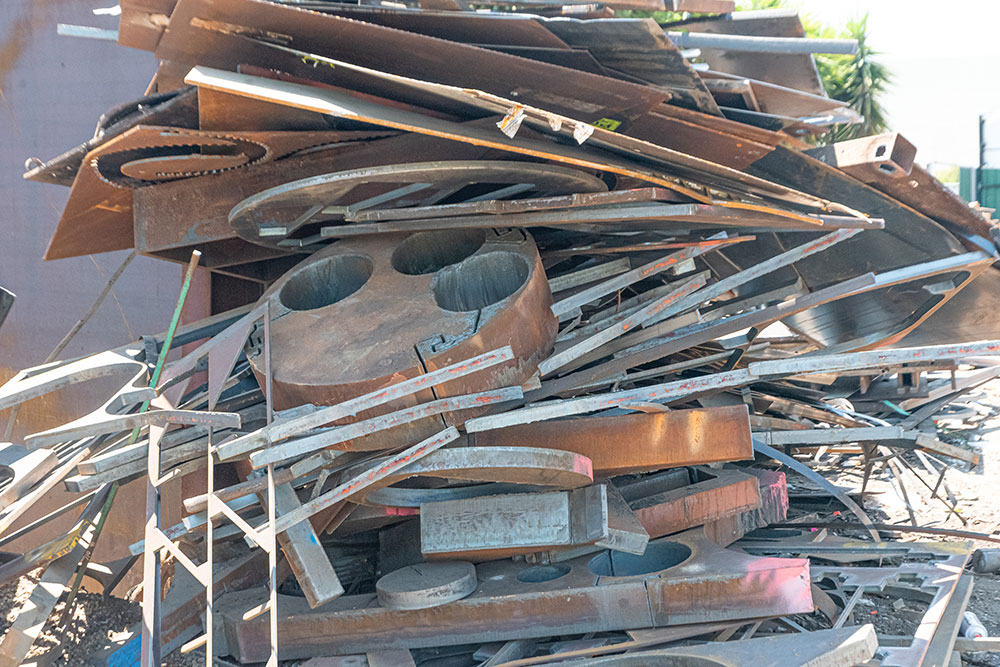
The recycled metals market includes a wide range of materials, from common ferrous metals like steel and iron to valuable non-ferrous metals such as copper, aluminum, and brass. Each type presents unique challenges and opportunities for quality control. For a deeper look at the most frequently recycled non-ferrous metals and their characteristics, visit this overview of commonly recycled non-ferrous metals.
Additionally, understanding the role of foundries in recycling can help you appreciate how these materials are transformed for new applications.
FAQ: Auditing and Sourcing Recycled Metal Suppliers
What certifications should I look for when evaluating recycled metal providers?
Look for suppliers with ISO 9001 (quality management), ISO 14001 (environmental management), and any industry-specific certifications relevant to your sector. These credentials indicate a commitment to quality, traceability, and responsible operations.
How often should I audit my recycled metal suppliers?
It’s best to conduct a full audit at the start of any new supplier relationship and then schedule regular follow-ups—at least annually, or more frequently if there are changes in processes, materials, or regulations.
Can recycled metals be as reliable as virgin materials?
Yes, when sourced from reputable suppliers and properly processed, recycled metals can meet or even exceed the performance of virgin materials. Rigorous auditing and testing are key to ensuring this reliability.
How can I ensure the environmental responsibility of my suppliers?
In addition to reviewing certifications, assess the supplier’s waste management, emissions controls, and labor practices. Transparent reporting and third-party audits can further verify their environmental stewardship.
Conclusion
Conducting a comprehensive review of recycled metal suppliers is essential for maintaining product quality, regulatory compliance, and sustainability goals. By following the structured steps outlined above—defining standards, verifying documentation, inspecting facilities, testing samples, and monitoring performance—you can build a resilient and responsible supply chain. Staying informed about industry developments and leveraging modern technologies will further strengthen your approach to sourcing recycled metals.
For more on sustainable practices in construction and manufacturing, explore our guide to metal recycling in the construction industry.